

Your daily water needs rise with heat, humidity, altitude and activity. A common starting point for adults is about 11 to 16 cups of total fluid per day from drinks and food, but a hot or very active day can add 2 to 6 extra cups or more. The simplest approach is to start with a baseline, then add water for each hour of exercise, each sauna session and each hot or high-altitude day, and check urine color to see if you are on track.
Start with a Baseline
Health groups often suggest about 11.5 cups of total fluid per day for women and about 15.5 cups for men, including water from food, which usually covers around 20 percent. Your size, diet and health change these numbers. Our water intake calculator gives a personal starting estimate based on body weight and activity.
How Climate Changes Needs
| Condition | Why It Matters | Typical Adjustment |
|---|---|---|
| Hot weather | More sweating to stay cool | Add 2 to 4 cups |
| High humidity | Sweat evaporates poorly, you sweat more | Add 2 to 4 cups |
| Dry indoor heat in winter | Breathing loses more moisture | Add 1 to 2 cups |
| High altitude | Faster breathing, drier air | Add 2 to 4 cups |
| Cold weather activity | Thirst drops but losses continue | Drink on a schedule |
How Activity Changes Needs
- Light activity, such as walking: often 1 to 2 extra cups per hour.
- Moderate exercise: often 2 to 3 extra cups per hour.
- Hard training or hot workouts: can be 3 to 6 extra cups per hour.
- Sauna sessions: often 2 to 4 extra cups for a typical session.
Sweat rates vary widely. Learn your own number with our guide on how to measure your sweat rate at home and the sweat loss calculator.
Putting It Together: Two Examples
- Office day in mild weather: baseline only, about 11 to 15 cups total fluid.
- Hot summer day with a 1-hour run and an evening sauna: baseline plus 2 to 4 cups for heat, 2 to 4 cups for the run and 2 to 4 cups for the sauna. That can mean 17 to 27 cups total fluid, spread through the day.
Spreading intake out works better than drinking large amounts at once. See how to track hydration with simple math for an easy routine.
When to Add Electrolytes
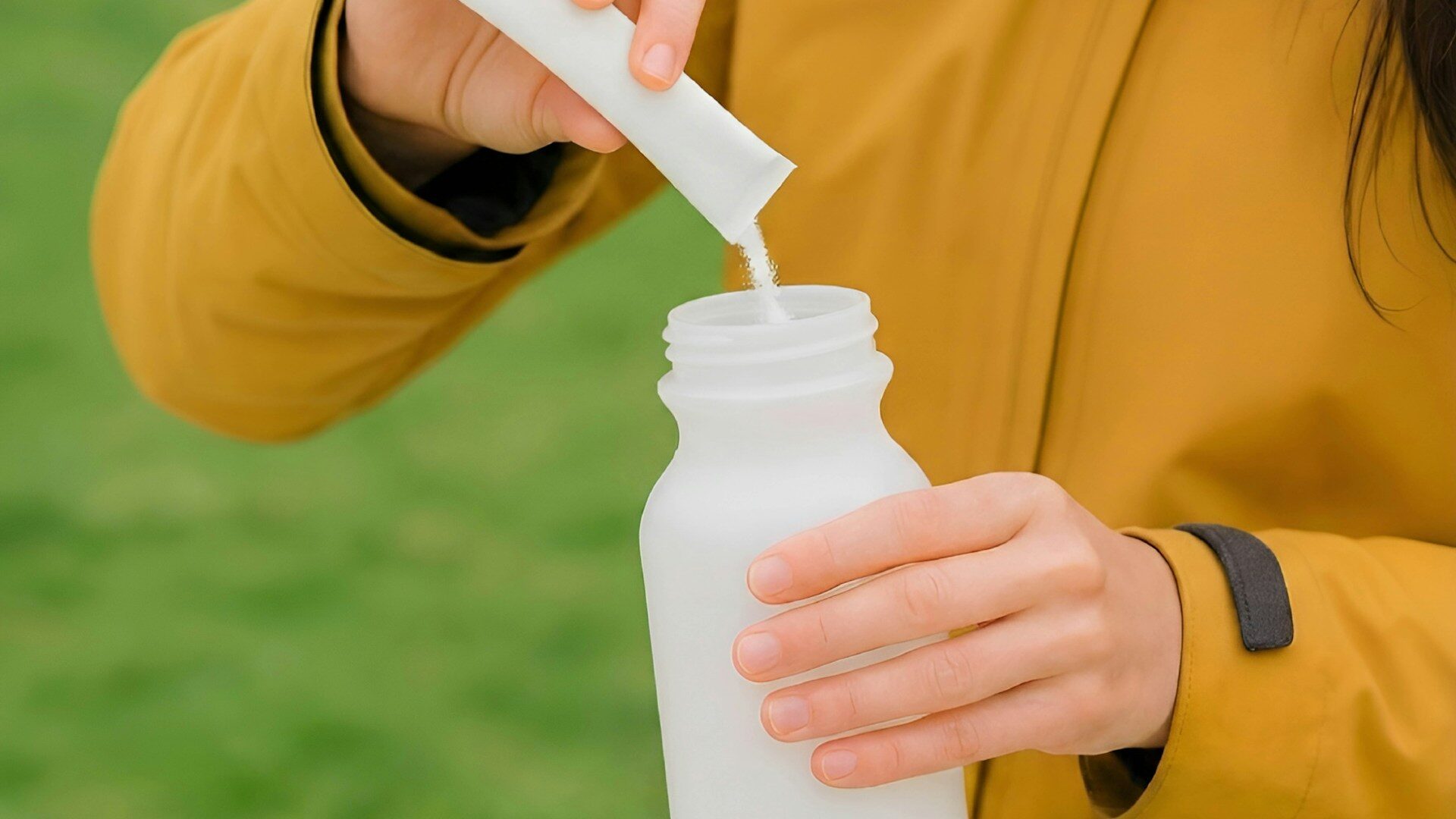
For long sessions, heavy sweating or days with several sweaty activities, add sodium and potassium through a sports drink, an electrolyte mix or salty food. Drinking very large amounts of plain water without salt during long, sweaty efforts can dilute sodium in the blood, which can be dangerous. Our article on how dehydration slows recovery explains why balance matters.
Simple Checks
Pale yellow urine, steady energy and rare thirst usually mean you are on track. Dark urine, headaches and fatigue suggest you need more. People with heart, kidney or liver conditions, or those told to limit fluids, should follow their doctor’s guidance rather than general targets.
Final Thoughts
There is no single right number for water. Start with a baseline, add for heat, altitude, exercise and sauna sessions, and adjust using simple body signals. A calculator gives a starting point and your own habits fine-tune it.
FAQs
How much more water do I need in hot weather?
Often 2 to 4 extra cups a day. More if you are active outdoors.
Does coffee count toward water intake?
Yes, in moderate amounts. Its mild effect on urine is small for regular drinkers.
Can you drink too much water?
Yes, very large amounts without salt can be risky. Add electrolytes on long, sweaty days.









Write Your Review
No reviews yet. Be the first to share your experience!