

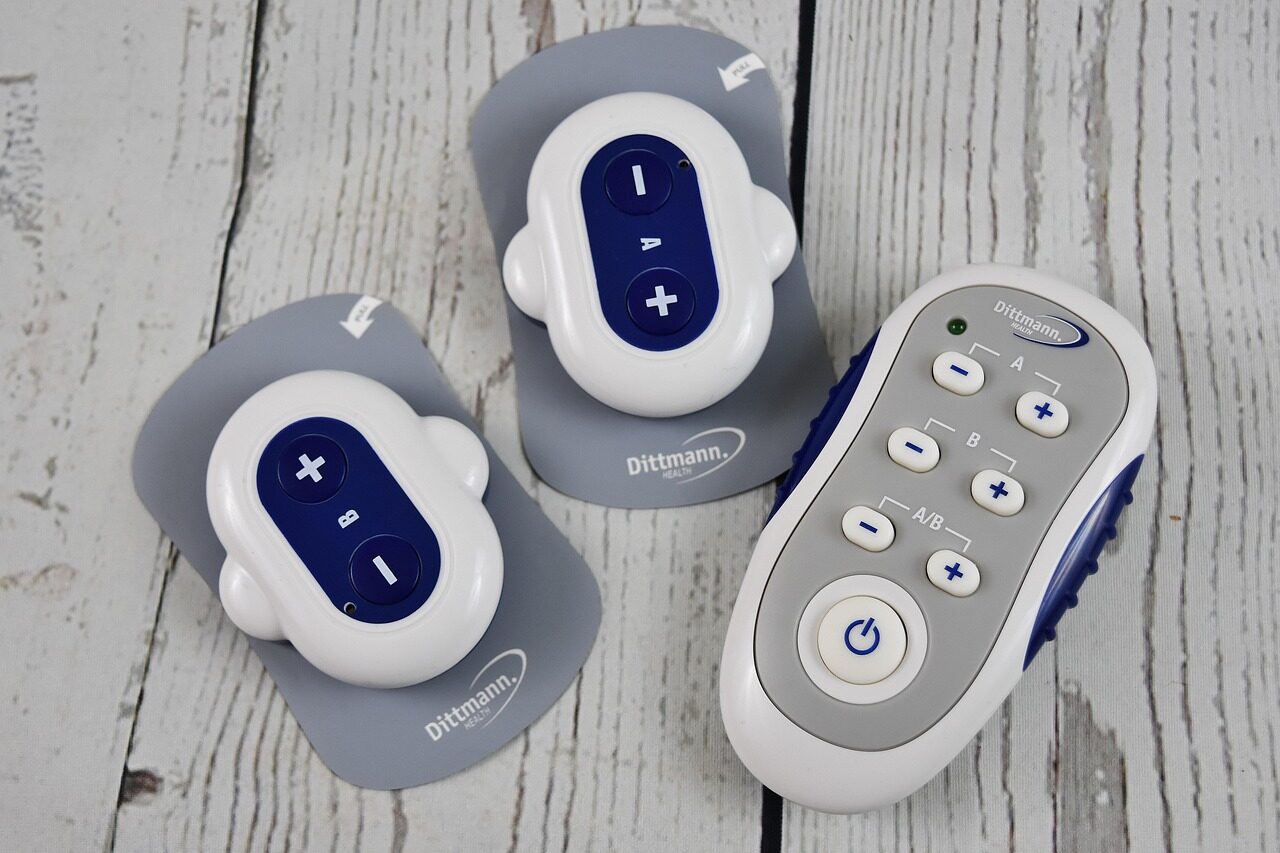
No, TENS units are not only for serious injuries. Many people use them for everyday aches such as tight shoulders, lower back stiffness after long days, sore muscles after exercise and period cramps. A TENS unit sends mild electrical pulses through pads on the skin that can reduce how strongly pain signals reach the brain. It eases pain for a while but does not heal the cause, so any serious, sudden or worsening pain still needs a doctor.
Where the Myth Comes From
TENS units started out in hospitals and physical therapy clinics, often after surgery or for chronic pain. Because people first saw them in medical settings, many assume they are only for big problems. Today, small battery-powered units are sold for home use, and they work on the same basic principle. Our explainer on how TENS units work to ease pain signals covers the science.
Everyday Uses People Report
| Use | Typical Pad Area | What People Hope For |
|---|---|---|
| Desk and neck tension | Upper back and shoulders | Less tightness after work |
| Lower back stiffness | Either side of the lower spine | Easier movement |
| Post-workout soreness | Thighs, calves or shoulders | Less ache on rest days |
| Period cramps | Lower belly or lower back | Cramp relief without heat pads |
| Knee and joint aches | Around the joint, not on it | Comfort during daily tasks |
What TENS Can and Cannot Do
- Can: dull pain during and shortly after a session for many people.
- Can: offer a drug-free option to try alongside other care.
- Cannot: repair a torn muscle, fix a slipped disc or heal a fracture.
- Cannot: build muscle. That is the job of EMS, a different mode. See TENS vs EMS units.
How to Use a TENS Unit for Minor Aches
- Clean and dry the skin where the pads will go.
- Place pads around the sore area, never over the spine itself, the front of the neck or the head.
- Start at the lowest intensity and raise it until you feel a strong but comfortable tingle.
- Use it for about 15 to 30 minutes, then take a break.
- Look after the pads so they keep sticking. Read caring for TENS unit electrode pads.
For back placement ideas, see how to place TENS unit pads for lower back pain.
Who Should Check with a Doctor First
Do not use a TENS unit without medical advice if you have a pacemaker or other implanted device, epilepsy, a heart condition or are pregnant. Avoid broken or numb skin. If pain comes with swelling, numbness, weakness, fever or follows a fall or accident, get it checked before treating it at home.
Final Thoughts
TENS units are useful for more than serious injuries. Many people keep one at home for desk tension, sore muscles and cramps. Treat it as a comfort tool that eases pain for a while, follow pad placement rules and let a doctor look at anything serious or new.
FAQs
Can I use a TENS unit for muscle soreness after exercise?
Yes, many people do. It may ease the ache, though rest, sleep and movement still drive recovery.
How often can I use a TENS unit?
Several short sessions a day is common for home units. Follow the maker’s guidance and give skin a break.
Is TENS safe for period cramps?
For many people, yes. Avoid it if you are or might be pregnant, and ask a doctor if cramps are severe.





Write Your Review
No reviews yet. Be the first to share your experience!