

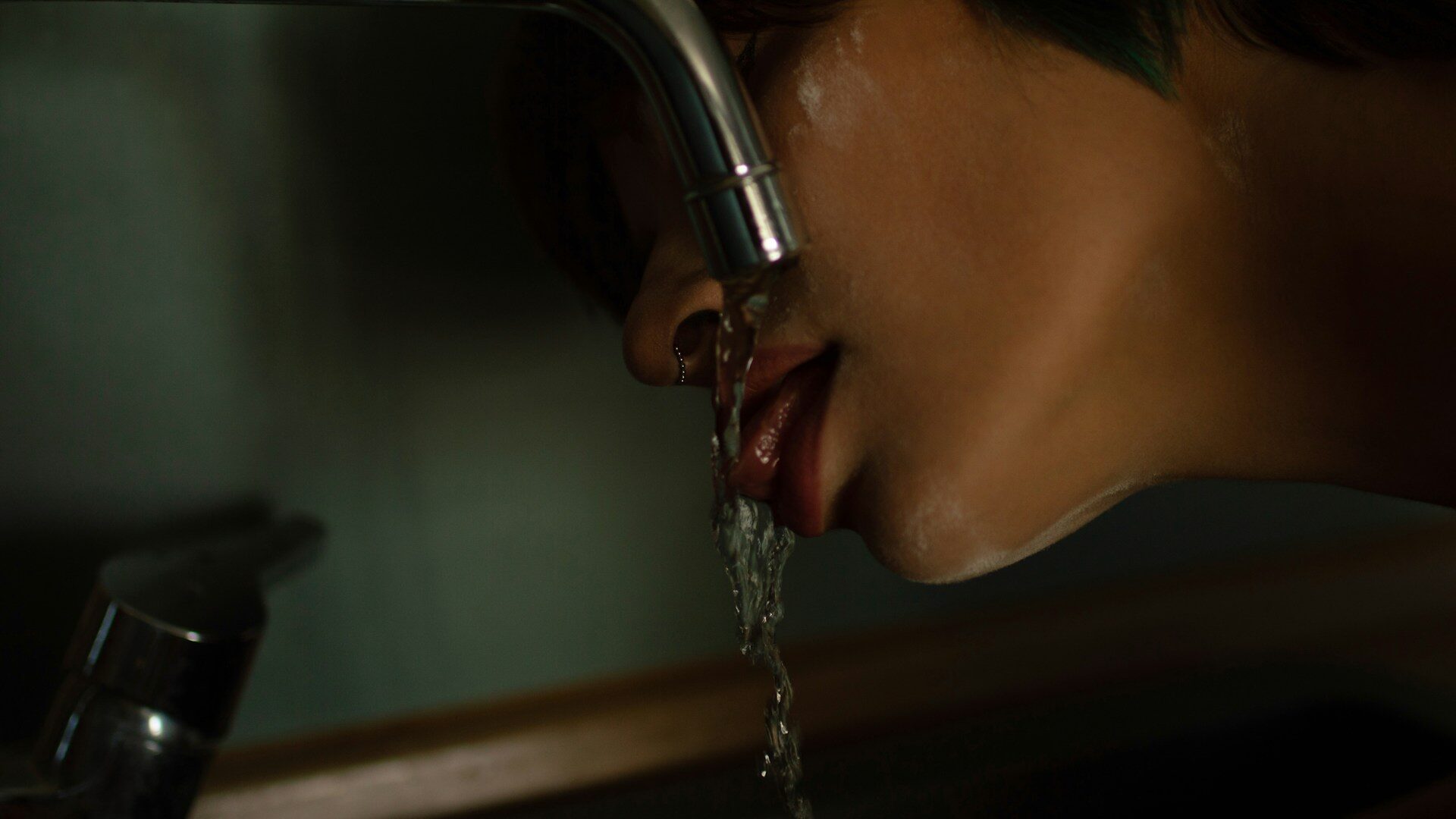
Dehydration slows recovery by reducing blood volume, which makes it harder for your body to deliver nutrients to muscles and carry waste away. It also raises heart rate, can disturb sleep and may make muscles feel sorer and more tired the next day. Even mild fluid loss of around 2 percent of body weight can affect how you feel and perform. Replacing fluids after exercise or heat sessions is one of the simplest recovery habits.
What Happens Inside Your Body
- Lower blood volume: less fluid in blood means the heart has to work harder to circulate it.
- Slower nutrient delivery: amino acids and glucose reach muscles less efficiently.
- Poorer temperature control: you heat up faster and cool down more slowly.
- Thicker feeling muscles: cramps and tightness may become more likely in some people.
- Disturbed sleep: thirst, headaches and a higher heart rate can break up rest.
Our article on what happens to your muscles during recovery explains why steady blood flow matters.
Signs You Are Running Low
| Sign | Mild | More Serious |
|---|---|---|
| Urine color | Darker yellow | Very dark or very little |
| Thirst | Noticeable | Strong and constant |
| Energy | Tired, sluggish | Weak, confused |
| Head | Mild headache | Dizziness, fainting |
| Heart rate | A little higher than usual | Racing at rest |
Seek medical help for the serious signs, especially after heat exposure.
Where Fluid Loss Comes From
Sweat is the biggest source during workouts, sauna sessions and hot weather. Breathing, urine and even dry indoor air add to daily losses. People who train in the heat or stack a sauna on top of a workout can lose a surprising amount. Our sweat loss calculator and guide on measuring your sweat rate at home help you estimate your own needs.
Simple Habits That Help
- Start the day with a glass of water.
- Drink steadily through the day instead of all at once.
- Weigh yourself before and after long sessions to see what you lost.
- Replace about 16 to 24 ounces of fluid for each pound lost.
- Add electrolytes or a salty snack after long, sweaty sessions.
- Limit alcohol, which increases fluid loss.
Use our water intake calculator for a daily starting point and track hydration with simple math for an easy routine.
Hydration and Heat Therapy
Saunas, steam rooms and hot tubs all cause sweating, sometimes without you noticing how much. Going into a sauna already dehydrated after a hard workout can leave you lightheaded. Drink before and after, keep sessions moderate and read how to hydrate before and after a sauna session for a simple timeline. People with heart or kidney conditions should ask a doctor about fluid targets.
Final Thoughts
Hydration is a quiet but powerful recovery tool. Start each day topped up, replace what you sweat out and watch simple signs like urine color and thirst. Your muscles, sleep and energy will all benefit.
FAQs
Can dehydration make muscles more sore?
It may make soreness and fatigue feel worse. Rehydrating supports recovery.
How fast can you rehydrate?
Mild dehydration often improves within a few hours. Sip steadily instead of chugging.
Is thirst a reliable signal?
It helps, but it can lag behind. Urine color is a useful second check.






Write Your Review
No reviews yet. Be the first to share your experience!