


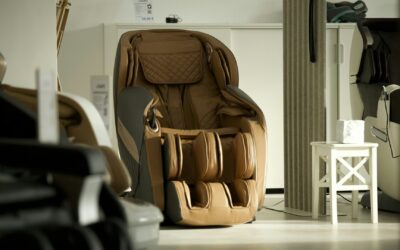
A massage chair does not fully replace a skilled massage therapist, but it can come close for general relaxation and everyday muscle tension. Chairs are great at consistent, repeatable pressure on the back, neck, legs and feet, and you can use them daily at home. A therapist is better at finding specific problem spots, adjusting to how your body reacts and working on areas chairs reach poorly. Many people get the best results by using both.
Where Massage Chairs Do Well
- Frequency: a short session every day is easy at home, while weekly appointments are not.
- Consistency: the same program feels the same every time.
- Full-body coverage: back, glutes, calves and feet can be worked at once.
- Heat and recline: many chairs add warmth and zero gravity positions.
Where a Therapist Does Better
- Precision: hands can feel a knot and work on it from different angles.
- Feedback: a therapist adjusts pressure as muscles relax.
- Hard-to-reach areas: the side of the neck, hips and around the shoulder blades.
- Specific techniques: stretching, trigger point work and guidance for recovery.
Side-by-Side Comparison
| Factor | Massage Chair | Massage Therapist |
|---|---|---|
| Availability | Any time at home | By appointment |
| Targeting knots | General areas | Precise |
| Adjusts to you in real time | Limited, body scan helps | Yes |
| Feet and calves | Often very good | Good, takes session time |
| Long-term cost | Upfront purchase | Ongoing per session |
| Space needed | A corner of a room | None at home |
What Research Suggests
Studies on massage chairs are fewer than studies on hands-on massage, but some report short-term drops in tension, stress and pain, similar in kind to manual massage. Effects from both usually fade over hours or days, which is why regular sessions matter. Our article on massage chairs and chronic back tension looks at back pain in particular, and what causes muscle knots explains why some tension needs a more targeted approach.
How to Get More from a Chair
- Pick a chair with a body scan so the rollers line up with your spine.
- Start at low intensity, especially if you are sore.
- Use 15 to 20 minute sessions instead of back-to-back programs.
- Add a massage gun for spots the chair misses, such as the sides of the neck.
Our guide on massage gun vs massage chair helps if you are choosing between home tools.
Combining Both
A practical plan is daily or near-daily chair sessions for general tension, plus a therapist visit every few weeks for deeper or specific work. Tell your therapist where the chair helps and where it does not, so they can focus on what the chair misses. People with injuries, osteoporosis, blood clotting issues or who are pregnant should ask a doctor before using either.
Final Thoughts
A massage chair is a strong everyday tool for relaxation and general tightness, and it wins on convenience. A therapist still wins on precision and personal care. Use the chair for routine comfort and a professional when you need targeted help.
FAQs
Can a massage chair replace a massage therapist?
For general relaxation, it can cover a lot. For specific problems or injuries, a therapist is still better.
How often should I use a massage chair?
Many people use one daily for 15 to 20 minutes. Start with shorter, gentler sessions.
Do massage chairs work on knots?
They can ease general tightness around knots. Stubborn knots often need more precise pressure.




Write Your Review
No reviews yet. Be the first to share your experience!