

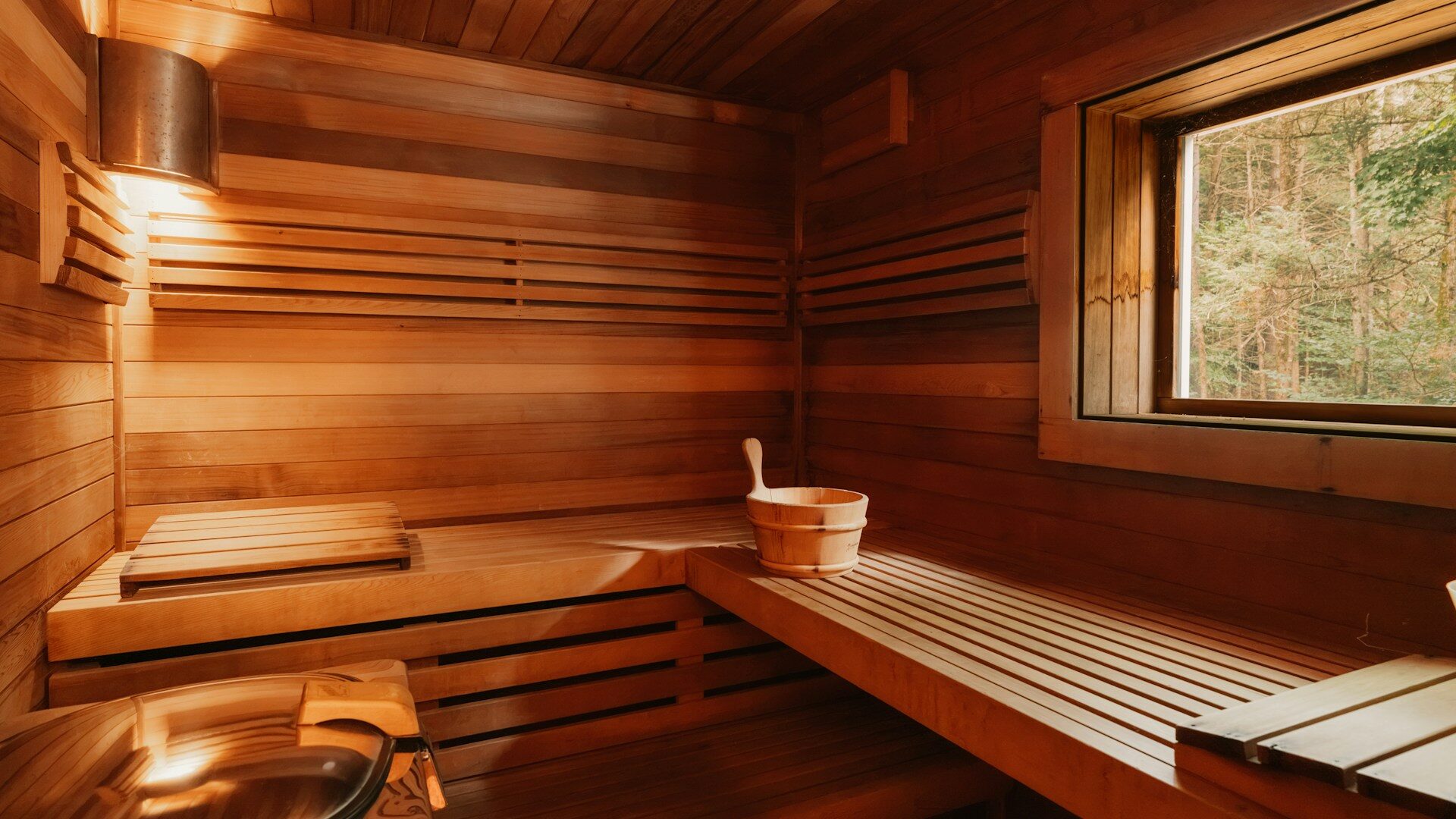
When you spend time in heat on a regular schedule, your body slowly gets better at handling it. You start sweating sooner, your sweat becomes less salty, your blood plasma volume grows and your heart does not have to work as hard to keep you cool. Most of these changes show up within one to two weeks of frequent sessions, and they fade again if you stop for a few weeks. This process is called heat acclimation.
What Heat Acclimation Means
Heat acclimation is the set of changes your body makes after repeated exposure to warm conditions, such as sauna sessions, hot climates or training in warm weather. The goal of every change is the same: move heat out of the body faster while protecting blood pressure and hydration. If you want the basics of how cooling works in the first place, read how your body regulates temperature in a sauna.
The Main Changes Over Time
| Change | What It Does | Typical Timeline |
|---|---|---|
| Lower heart rate in heat | Less strain at the same temperature | First 4 to 6 sessions |
| More plasma volume | More fluid for sweat and blood flow | About 3 to 7 days |
| Earlier sweating | Cooling starts before you overheat | About 5 to 10 days |
| Less salty sweat | Keeps more sodium in the body | About 1 to 2 weeks |
| Lower core temperature at rest | More room before you feel too hot | About 1 to 2 weeks |

Why Your Heart Rate Drops
On your first few sauna visits, your heart rate climbs quickly because your body sends blood to the skin to release heat. As plasma volume grows, there is more fluid to share between the skin and the muscles, so the heart does not need to beat as fast. Many people notice that a session that once felt intense now feels calm. Our article on what your heart rate does in a sauna explains the numbers in more detail.
How Sweating Changes
A heat-adapted body sweats earlier and often more. That can sound unpleasant, but it means cooling starts sooner. The sweat glands also learn to reabsorb more sodium, so you lose less salt per liter. You still need to drink well, though, since a larger sweat volume means more water loss. See how to hydrate before and after a sauna session for a simple plan.
How to Build Heat Tolerance Safely
- Start with short sessions of 8 to 10 minutes at a moderate temperature.
- Add 2 to 3 minutes per week only if you feel comfortable afterward.
- Aim for 3 to 4 sessions per week, since consistency matters more than length.
- Drink water before and after, and add electrolytes on long or very sweaty days.
- Leave right away if you feel dizzy, sick or confused.
The sauna session calculator can help you pick a sensible starting length. Anyone with a heart condition, low or high blood pressure, or who is pregnant should check with a doctor before starting regular heat sessions.
How Long the Changes Last
Heat adaptation is not permanent. Most of the gains fade over two to four weeks without heat exposure, with heart rate benefits fading first. The good news is that people who were adapted before usually readapt faster. One or two sessions a week can help hold on to some of the changes during a busy month.
Final Thoughts
Your body is good at learning heat. With short, regular sessions, the sauna stops feeling like a shock and starts feeling routine, because your heart, sweat glands and blood volume have all adjusted. Build up slowly, stay hydrated and treat any warning signs seriously.
FAQs
How many sauna sessions does it take to adapt to heat?
Most people notice changes after about 5 to 10 sessions. Fuller adaptation often takes around two weeks of frequent use.
Does heat adaptation help with summer workouts?
It may help. Many of the same changes, like earlier sweating and lower heart rate, carry over to exercising in warm weather.
Can you lose heat adaptation?
Yes. Most of it fades within a few weeks without heat exposure, but it usually returns faster the second time.










Write Your Review
No reviews yet. Be the first to share your experience!