


A good recovery routine after a long run starts with a 5 to 10 minute walking cooldown, then fluids and a snack with carbs and protein within about an hour. Later in the day, add gentle movement, legs-up rest or compression, a warm shower or sauna if you enjoy it and an early night. The next morning, an easy walk or light spin helps stiff legs loosen. Simple steps done consistently matter more than any single tool.
The First 15 Minutes
- Walk it off: 5 to 10 minutes of easy walking lets your heart rate settle.
- Start drinking: sip water or a sports drink, especially after sweaty runs.
- Change clothes: dry layers prevent chills in cool weather.
- Light stretching: gentle calf, hamstring and hip stretches if they feel good.
The First Hour: Refuel
Long runs use stored carbohydrate and stress muscles. A snack or meal with carbs and some protein helps refill energy stores and supports repair. Good options include a smoothie with fruit and yogurt, a sandwich, eggs with toast or chocolate milk. If you lost a lot of sweat, add salt through food or an electrolyte drink. Our guide on how dehydration slows recovery explains why fluids matter so much.
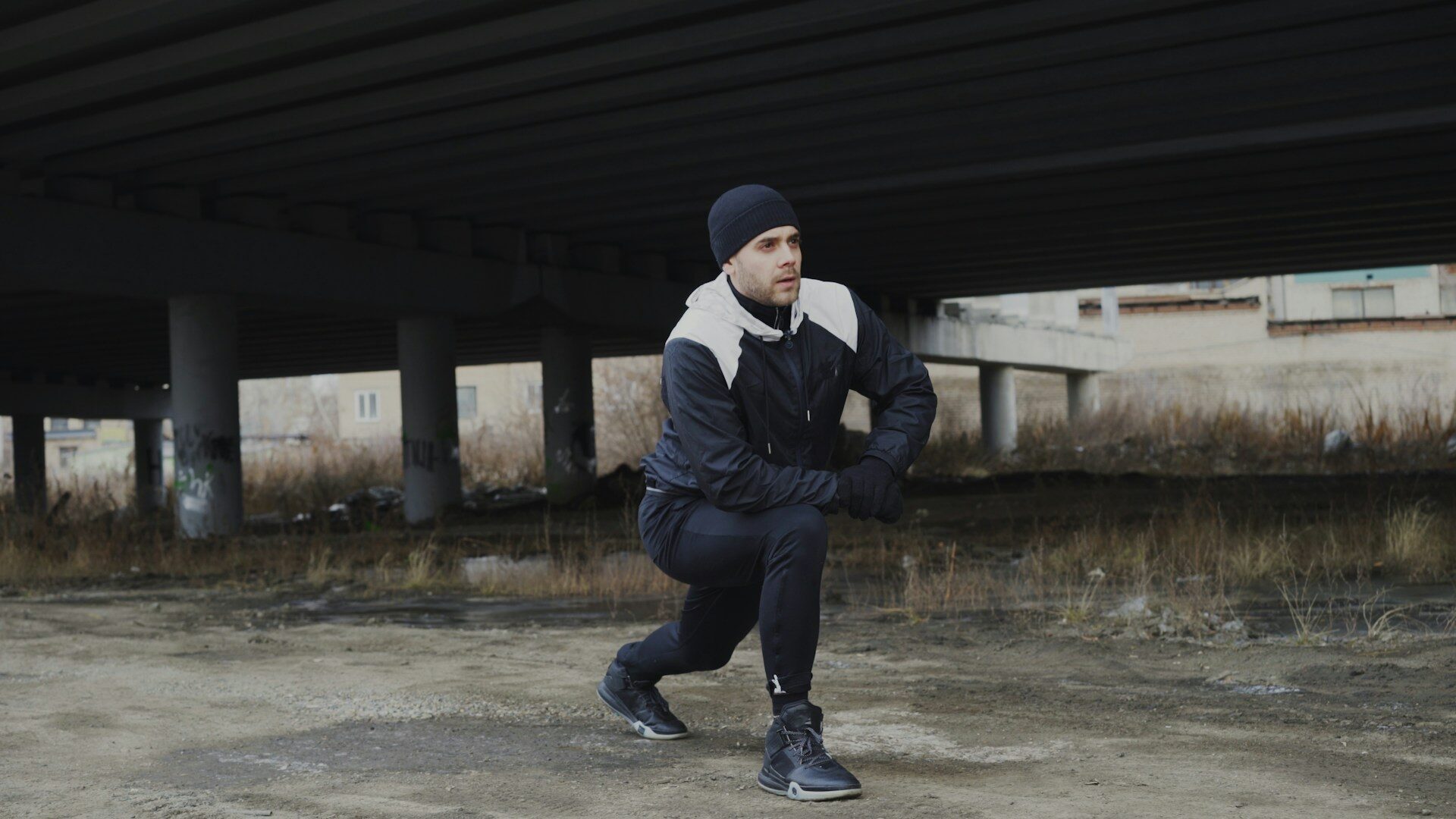
A Full Recovery Timeline
| When | What to Do | Why |
|---|---|---|
| 0 to 15 minutes | Walk, drink, change clothes | Smooth transition from running |
| 15 to 60 minutes | Carbs plus protein, more fluids | Refuel and start repair |
| 2 to 4 hours | Legs up, compression or a short nap | Help legs feel lighter |
| Evening | Warm shower, sauna or easy mobility | Relax tight muscles |
| Night | 7 to 9 hours of sleep | Main repair window |
| Next morning | Easy walk or light cycling | Loosen stiffness |
Recovery Tools That Fit In
- Compression boots: many runners use them a few hours after long runs. See whether compression boots improve circulation.
- Massage gun: gentle passes on calves, quads and glutes. Try our 10-minute massage gun routine for runners.
- Cold plunge: may ease soreness after very long efforts. Read how cold water immersion affects soreness.
- Sauna: wait until you have rehydrated, and keep the session short.
What to Skip
Avoid a hard workout the next day, heavy alcohol in the evening and a very hot sauna right after the run before you have had fluids. Skip deep massage on areas that feel injured rather than sore. Sharp pain, pain that changes how you walk or swelling around a joint are reasons to rest and see a professional.
Plan the Week Around Long Runs
Most runners place an easy day or full rest day after their long run. Our weekly recovery schedule for 4 training days and rest day recovery routine show how to space hard and easy days. Tracking heart rate variability can add a helpful signal.
Sample Post-Run Meals and Snacks
Refueling after a long run does not need to be complicated. The goal is carbs to refill energy stores, some protein to support repair and fluids with a little salt. Here are easy options for different situations.
| Situation | Option | Why It Works |
|---|---|---|
| Not hungry yet | Chocolate milk or a fruit smoothie with yogurt | Easy to drink, carbs plus protein |
| Quick snack | Banana and a handful of pretzels with a cheese stick | Carbs, salt and some protein |
| Breakfast after a morning run | Eggs, toast and fruit | Balanced meal that refuels well |
| Lunch after a late morning run | Turkey or bean wrap with rice and vegetables | Plenty of carbs and protein |
| Plant-based option | Tofu rice bowl or lentil soup with bread | Carbs and plant protein |
If your stomach feels unsettled after a long run, start with liquids and add solid food once it calms down. Eating something small is better than skipping recovery fuel entirely.
Mobility and Stretching After a Long Run
Gentle mobility helps your legs feel less stiff without adding more stress. Save deep stretching for another time, since tired muscles can be more sensitive after a hard effort.
- Calf stretch against a wall: 30 seconds per side, knee straight then bent.
- Standing quad stretch: 30 seconds per side, holding a wall for balance.
- Hip flexor stretch: half-kneeling, 30 seconds per side.
- Figure-four glute stretch: on your back, 30 seconds per side.
- Legs up the wall: 5 to 10 minutes to help legs feel lighter.
Move slowly and breathe through each stretch. If something feels sharp or painful, skip it and check how it feels the next day.
Recovery for Different Long Run Distances
How much recovery you need depends on how far and how hard you ran. A comfortable 8-mile long run needs less recovery than a 20-mile marathon training run in the heat.
- Up to about 10 miles at easy pace: the basics are usually enough, with an easy day afterward.
- About 10 to 16 miles: prioritize refueling, an extra hour of sleep and an easy or rest day after.
- Over 16 miles or very hot conditions: plan two easy days, use recovery tools if you have them and pay close attention to fluids and salt.
- Race efforts: recovery can take a week or more, with several easy days before any hard workouts.
Sleep: The Most Important Recovery Tool
Many runners put effort into post-run snacks and tools but cut corners on sleep. Sleep is when much of the repair from a long run takes place. After a long run, aim for a consistent bedtime and seven to nine hours of sleep. Avoid heavy meals and alcohol late in the evening, keep the bedroom cool and dark and limit screens in the last hour before bed. A short nap in the afternoon, around 20 to 30 minutes, can also help if your night sleep is limited. If you find it hard to fall asleep after very long efforts, a warm shower and slow breathing before bed can help your body settle.
Tracking How You Recover
Keep simple notes after each long run: distance, how you felt, what you ate, how you slept and how your legs felt the next day. Over a few weeks, patterns appear. You may notice that you recover better when you eat sooner, drink more or sleep longer. These notes help you build a routine that fits your body instead of following someone else’s plan.
Final Thoughts
After a long run, cool down, refuel within an hour, rest your legs and sleep well. Add recovery tools if you enjoy them, but do not skip the basics. A steady routine helps you feel ready for the next run sooner.
FAQs
What should I eat after a long run?
Carbs plus some protein within about an hour. Add salt after sweaty runs.
Should I stretch after a long run?
Gentle stretching is fine if it feels good. Avoid forcing deep stretches.
Is it okay to run the day after a long run?
An easy run or walk is usually fine. Keep the effort light.
How long does it take to recover from a long run?
Often one to three days for training runs. Very long or hard efforts, like races, can take a week or more.
Should I use a cold plunge or sauna after a long run?
Either can be part of recovery if you enjoy it. Rehydrate first, and keep sessions short after very long or hot runs.
Is soreness after a long run normal?
Yes, mild soreness for a day or two is normal. Sharp pain or pain that changes how you walk is a reason to rest and get checked.
Should I take a cold shower after a long run?
A cool shower can feel refreshing and help you cool down. It is optional, so choose the temperature that feels most comfortable to you.










Write Your Review
No reviews yet. Be the first to share your experience!