

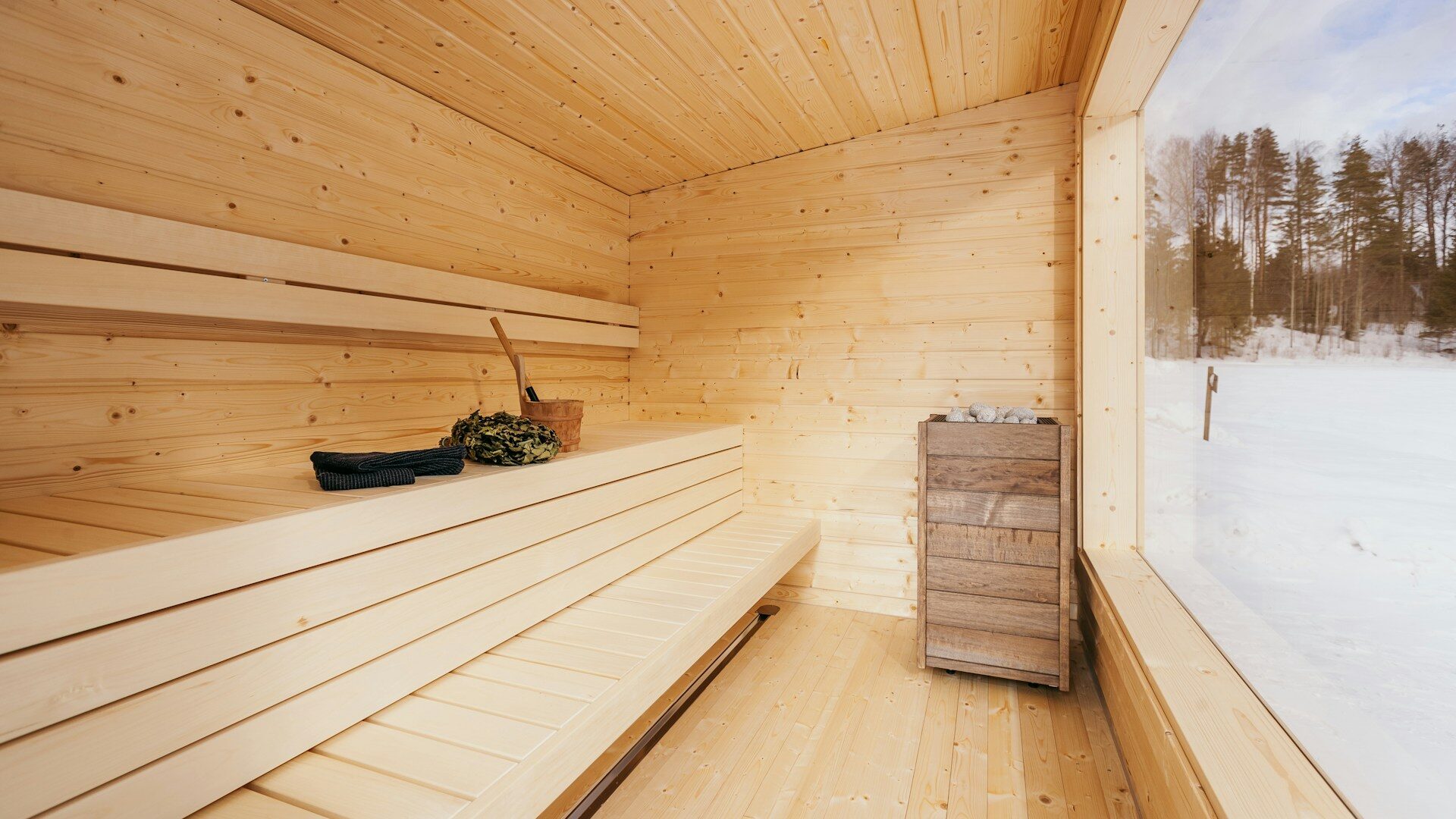
Contrast therapy, alternating heat such as a sauna or hot tub with cold such as a cold plunge or cold shower, may help active adults feel less sore and more refreshed between workouts, and many people find the routine relaxing and energizing. Research suggests it can reduce perceived soreness and fatigue for some people after exercise, though effects on actual performance are less clear.
What Contrast Therapy May Offer
| Possible Benefit | What Research and Users Suggest |
|---|---|
| Less perceived soreness | Some studies show reduced soreness after exercise |
| Feeling refreshed | Commonly reported by users |
| Relaxation | Heat phases help many people unwind |
| Alertness | Cold phases bring a quick boost |
| Routine and consistency | A ritual that supports a recovery habit |
How It Is Thought to Work
Heat widens blood vessels and relaxes muscles; cold narrows them and triggers an alerting response. Switching between the two creates a pumping-like change in blood flow that many people associate with feeling lighter and fresher. The nervous system also shifts between calm and alert states during each phase. See how cold plunging affects your nervous system.
Who It Suits
- Runners, lifters and team sport players with frequent training.
- People who enjoy both sauna and cold plunging.
- Anyone wanting a structured relaxation ritual.
Strength-focused lifters may want cold phases away from training sessions; see should you cold plunge before or after lifting.
A Simple Starting Format
- Heat for 10 to 15 minutes.
- Cold for 1 to 2 minutes.
- Rest for a few minutes.
- Repeat 2 to 3 rounds.
Full steps are in building a simple contrast therapy routine at home.
Making It Work at Home
You do not need a spa. A sauna or hot bath paired with a cold shower works, and a cold plunge tub next to a home sauna makes the routine easy to repeat. Place them close together with a dry path and towels between them. Our backyard sauna and cold plunge guide covers layout.
Contrast Therapy vs Single Methods
Some people prefer only heat or only cold, and both have their own benefits. Contrast therapy adds variety and a stronger sense of refreshment, but it takes more time and equipment. If you have only a sauna, heat followed by a cool shower already captures much of the experience. If you have only a cold plunge, a warm shower afterward gives a gentle version. Start with what you have and expand later.
Safety First
Rapid temperature changes stress the heart and blood vessels. Check with your doctor before trying contrast therapy if you have heart conditions, high or low blood pressure, circulation problems or are pregnant. Never do it alone or after alcohol, keep cold phases short and get out if you feel dizzy or unwell.
Final Thoughts
Contrast therapy may help active adults feel less sore and more refreshed, and many people enjoy it as a ritual. Start with short rounds, keep safety in mind and fit cold phases around your training goals.
FAQs
Should contrast therapy end on hot or cold?
Ending cold feels energizing; ending warm feels relaxing. Both are fine.
How often can I do contrast therapy?
A few times a week suits many active adults.
Can I use a cold shower instead of a plunge?
Yes. It is a simple way to start.










Write Your Review
No reviews yet. Be the first to share your experience!