

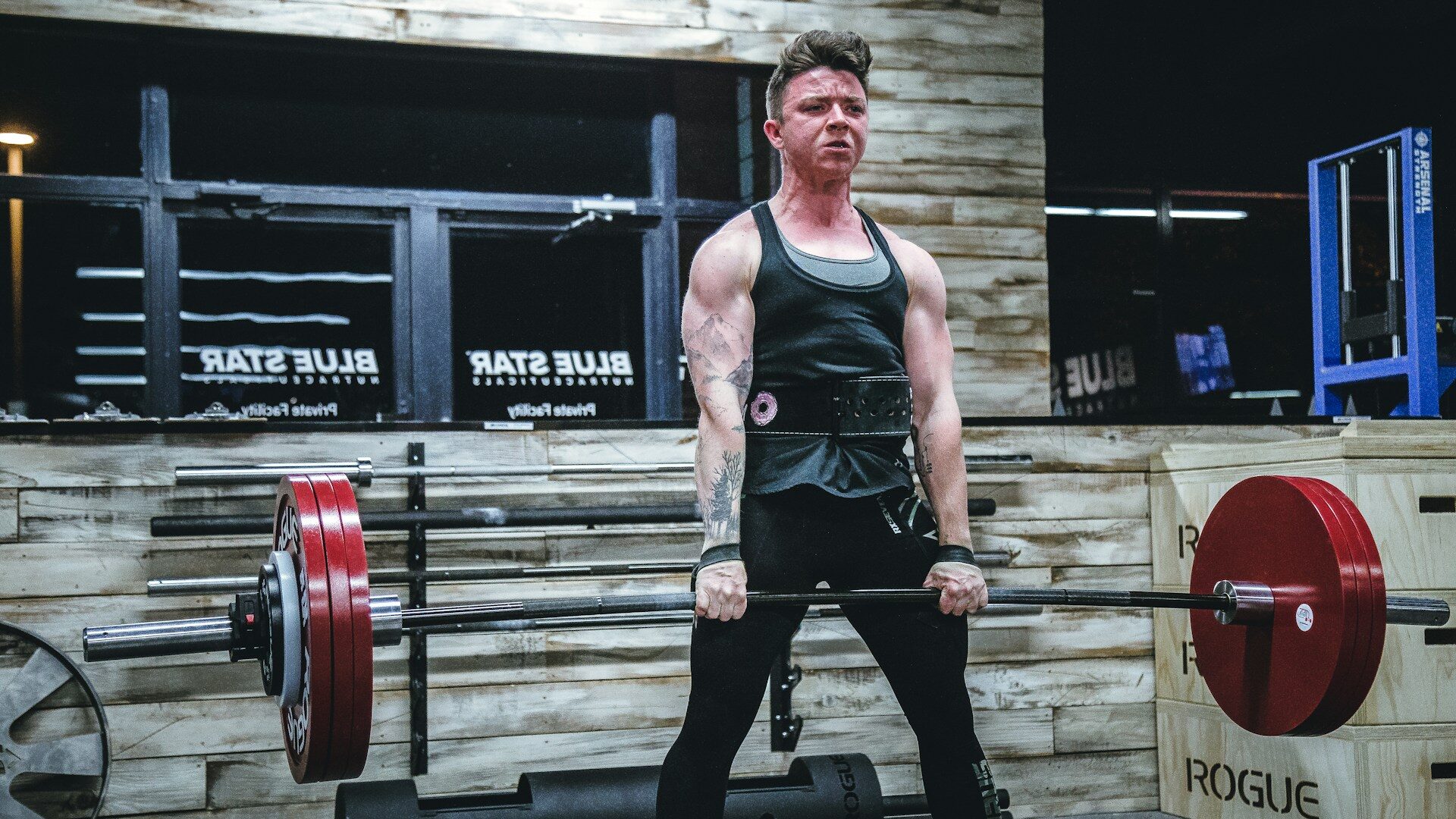
If your main goal is building strength and muscle, most research suggests leaving a gap of several hours between lifting and a cold plunge, or plunging on rest days, because cold right after training may blunt some of the signals that drive muscle growth. A brief plunge before lifting is rarely helpful either, since cold muscles feel stiff. If your goal is feeling fresher between hard sessions, a plunge after training can still make sense.
Why Timing Matters
Lifting creates small amounts of stress in muscle tissue, and the body responds with inflammation and repair signals that help muscles adapt. Cold exposure reduces blood flow and dampens some of that response. That can feel good when you are sore, but studies on regular cold water immersion right after strength sessions have found smaller gains in some people over months of training. Our guide to why inflammation is not always the enemy explains the idea.
Before, After or Separate?
| Timing | Possible Upside | Possible Downside |
|---|---|---|
| Right before lifting | Alertness boost | Stiff muscles, weaker first sets |
| Right after lifting | Feels refreshing, may ease soreness | May dampen muscle adaptation over time |
| 4 or more hours after | Recovery feel without interfering as much | Needs a second time slot in the day |
| On rest days | Least interference with training | Less help on sore days right after training |
Match the Plan to Your Goal
- Strength and muscle growth: plunge on rest days or several hours after lifting.
- Endurance or sport practice: post-session plunges are a common way to feel ready for the next day.
- General wellness: morning plunges on non-lifting days are a simple routine.
- Competition weeks: plunging after events or between games may help you feel fresher.
A Simple Weekly Example
If you lift Monday, Wednesday and Friday, try short plunges on Tuesday, Thursday and Saturday mornings. On lifting days, a warm shower and light stretching work well after the session. Keep plunges short, often 1 to 3 minutes for beginners, and build slowly. See how long to stay in a cold plunge and how cold an ice bath should be.
Safety First
Cold water causes a sharp rise in heart rate and breathing at first. If you have heart concerns, high blood pressure or are pregnant, check with your doctor before cold plunging. Never plunge alone, avoid alcohol beforehand and get out if you feel numb, dizzy or confused. Warm up gradually afterward with dry clothes and movement. Browse our cold plunge guides for setup advice.
Final Thoughts
For strength and muscle goals, separate cold plunges from lifting by several hours or use them on rest days. For endurance, sport or general wellness, post-session plunges can fit well. Start short, stay safe and adjust based on how you recover.
FAQs
Does cold plunging after lifting kill gains?
It may reduce gains a little over time for some people. Spacing it out by a few hours limits that effect.
How long should I wait after lifting to cold plunge?
Many people wait at least 4 hours. Rest days are even simpler.
Is it okay to cold plunge before a workout?
It is not ideal before lifting. Cold muscles feel stiff and less powerful.










Write Your Review
No reviews yet. Be the first to share your experience!