


Your BMI might look high if you lift because BMI only uses height and weight, and muscle adds weight just like fat does. A muscular person can land in the overweight range, or even higher, while having a healthy body fat level and good fitness. That does not mean BMI is useless, but lifters get a clearer picture by also checking waist size, waist-to-height ratio and how their clothes fit over time.
How BMI Is Calculated
Body mass index is your weight in kilograms divided by your height in meters squared. In pounds and inches, multiply weight by 703 and divide by height in inches squared. Our BMI calculator does the math for you.
| BMI Range | Standard Category |
|---|---|
| Below 18.5 | Underweight |
| 18.5 to 24.9 | Healthy weight |
| 25 to 29.9 | Overweight |
| 30 and above | Obese |
Why Muscle Skews the Number
Muscle is denser than fat, so a pound of muscle takes up less space but weighs the same on a scale. BMI cannot see what the weight is made of. Two people of the same height and weight get the same BMI even if one has much more muscle. Our article on what BMI can and cannot tell active adults covers more limits.
A Simple Example
A person who is 5 feet 10 inches and 200 pounds has a BMI of about 28.7, which falls in the overweight range. If that person strength trains regularly, has a waist of 33 inches and visible muscle definition, their health picture is very different from someone with the same weight and a 42-inch waist.
Better Checks for Lifters
- Waist circumference: measure at the belly button after breathing out. Lower is generally better.
- Waist-to-height ratio: divide waist by height in the same units. Under 0.5 is a common healthy target.
- Progress photos: same light, same pose, every few weeks.
- Strength trends: rising strength with a stable waist often means more muscle.
- Body fat estimates: smart scales and calipers give rough trends, not exact numbers.
When BMI Still Matters
For most people who do not carry a lot of muscle, BMI is a reasonable quick screen. Even lifters should pay attention if BMI keeps climbing while the waist grows and strength stays flat, since that pattern suggests fat gain. BMI is also one of several numbers doctors use, so share your training history with them. Our ideal weight calculator and guide to ideal weight formulas show similar limits.
What Else Matters for Health
- Blood pressure and resting heart rate
- Blood sugar and cholesterol from routine checkups
- Sleep quality and daily energy
- Cardio fitness, not just strength
Tracking resting heart rate trends is an easy addition.
BMI Examples for Different Body Types
Seeing a few side-by-side examples makes the limits of BMI easy to understand. All of the people below are the same height, 5 feet 10 inches, but their bodies and health pictures are very different.
| Person | Weight | BMI | Waist | Waist-to-Height Ratio | Likely Picture |
|---|---|---|---|---|---|
| Regular lifter | 195 lb | About 28 | 32 in | About 0.46 | Muscular, healthy fat level |
| Office worker, inactive | 195 lb | About 28 | 40 in | About 0.57 | Extra abdominal fat |
| Runner | 160 lb | About 23 | 30 in | About 0.43 | Lean, healthy range |
| Inactive, low muscle | 160 lb | About 23 | 36 in | About 0.51 | Normal BMI, higher belly fat |
The last row is an important one. BMI can also miss people with normal weight but low muscle and more belly fat, sometimes called normal weight obesity. Waist size helps catch that pattern too, which is why it is worth measuring no matter what your BMI says.
How to Measure Your Waist Correctly
Waist measurements are only useful if you take them the same way every time. Small changes in tape position can shift the number by an inch or more.
- Measure in the morning, before eating, after using the bathroom.
- Stand straight with feet together and arms relaxed at your sides.
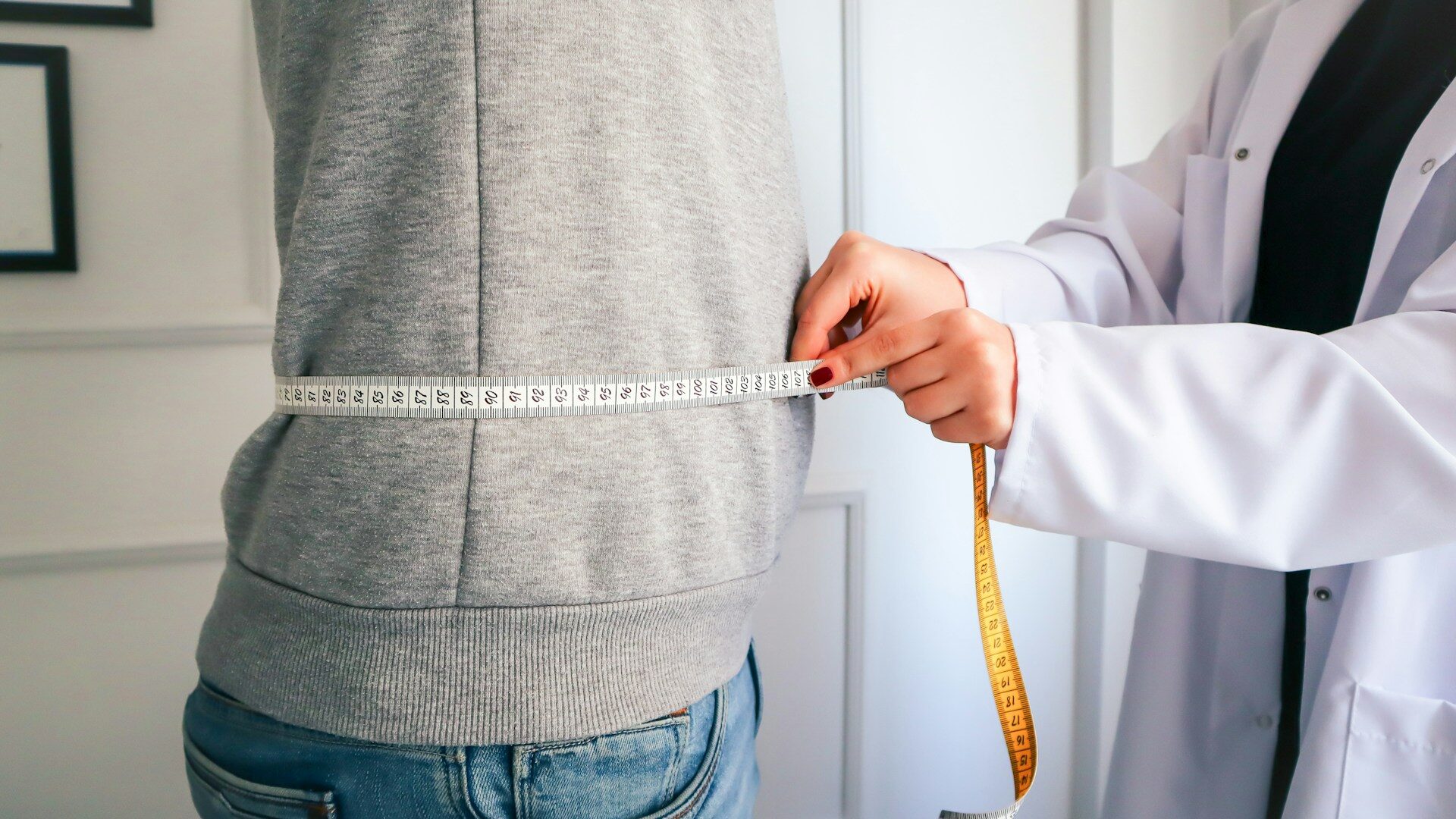
- Wrap a soft tape around your waist at the level of your belly button, or halfway between your lowest rib and hip bone.
- Keep the tape level all the way around and snug, but not pressing into the skin.
- Breathe out normally and read the number at the end of the breath.
- Take two readings and write down the average.
Checking once every two to four weeks is enough. Daily measurements bounce around with meals, water and bloating, so they can be more confusing than helpful.
Body Composition Tools Compared
If you want more detail than BMI and waist size, several tools estimate body fat. Each has strengths and weaknesses, and none is perfect.
- Smart scales: easy and cheap, but readings change with hydration. Best for long-term trends, not exact numbers.
- Skinfold calipers: inexpensive and fairly reliable when the same trained person takes the measurements.
- DEXA scans: one of the most detailed options, showing fat, lean mass and bone, but they cost money and need a clinic.
- Bioimpedance devices at gyms: similar to smart scales, with the same sensitivity to water and food.
- Progress photos: free and surprisingly useful for seeing changes in shape over months.
For most lifters, a combination of waist size, photos and a smart scale trend gives a clear enough picture without any special appointments.
Talking to Your Doctor About BMI
Doctors often record BMI at checkups because it is fast and standard. If yours comes back in the overweight range and you train regularly, share that context. Mention how often you lift, your waist measurement and any recent changes in weight or strength. Your doctor may look at blood pressure, blood sugar, cholesterol and other markers to judge your health more fully. This conversation helps make sure decisions are based on the whole picture, not on one number that cannot tell muscle from fat.
Setting Goals That Fit a Lifter’s Body
If you lift, it often makes more sense to set goals around performance and waist size than around a BMI target. A lifter who chases a BMI under 25 might need to lose muscle they worked hard to build, which can hurt strength, posture and long-term health. Instead, aim for a waist-to-height ratio under 0.5, steady or rising strength and good energy through the day. If you want to lose fat, track your waist every few weeks along with how your lifts feel. A shrinking waist with stable strength is a strong sign that you are losing fat while keeping muscle. If your weight goes up while your waist stays the same, you are most likely adding muscle, which is usually good news. These simple markers keep your goals focused on health and fitness instead of a single number on a chart that was never designed with lifters in mind.
Final Thoughts
If you lift, a high BMI does not automatically mean too much body fat. Pair BMI with waist size, waist-to-height ratio and strength progress for a more honest picture, and talk with your doctor about the full set of health markers.
FAQs
Is BMI accurate for bodybuilders?
Not very. It often overestimates fat in very muscular people.
What is a better measure than BMI for lifters?
Waist-to-height ratio is a simple option. Under 0.5 is a common target.
Can I be healthy with a BMI over 25?
Yes, if extra weight is mostly muscle. Waist size helps confirm it.
Does BMI change as I build muscle?
Yes, it usually goes up as muscle adds weight. That is why lifters should watch waist size and strength along with BMI.
How often should I check my waist measurement?
Every two to four weeks is enough for most people. Measure the same way and at the same time of day each time.










Write Your Review
No reviews yet. Be the first to share your experience!