

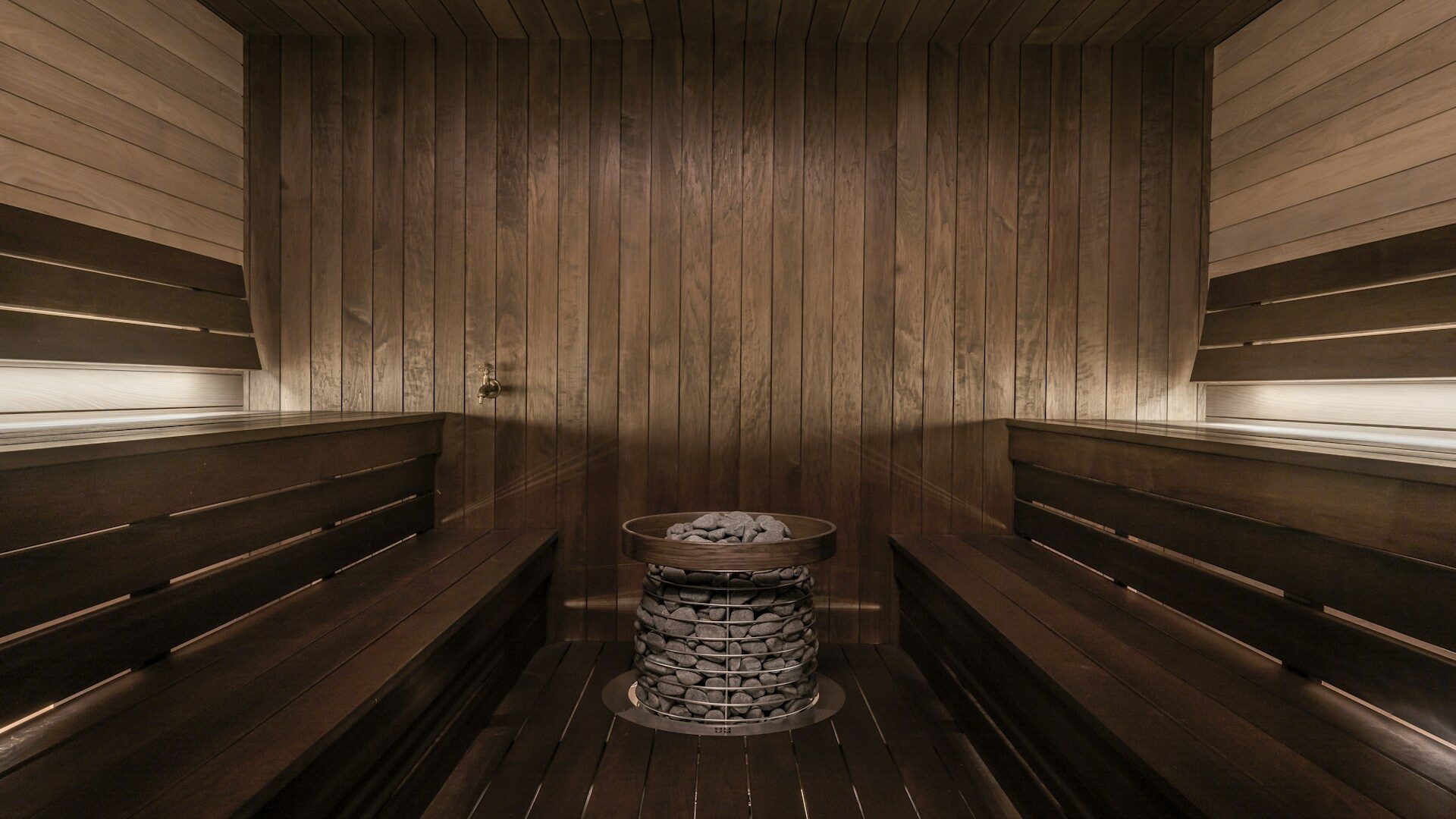
If you wear a smartwatch in the sauna, you may be surprised to see your heart rate climb as if you were walking briskly, even though you are sitting still. This is a normal response to heat. Understanding what your heart rate does in a sauna helps you enjoy sessions safely and know when to get out. It also explains why you may feel tired after a long, hot session even though you did not move.
Why Heart Rate Rises
Heat makes your body work to stay cool. Blood vessels near your skin widen so warm blood can release heat. To keep blood pressure steady and move more blood to the skin, your heart beats faster. Sweating also removes fluid, which can push heart rate up further as the session goes on.
Typical Heart Rate Ranges
| Sauna Type | Typical Temperature | Typical Heart Rate |
|---|---|---|
| Traditional (Finnish) | 160 to 195 F | About 100 to 150 bpm |
| Infrared | 120 to 150 F | About 90 to 130 bpm |
| Sauna blanket | Varies by setting | Often similar to infrared |
Your numbers depend on heat, humidity, session length, hydration and fitness. Our guide on how your body regulates temperature in a sauna explains the cooling process.
How It Changes Over a Session
- First few minutes: heart rate rises steadily as your skin warms.
- Middle of the session: it keeps climbing, more slowly.
- Adding water to the stones: a burst of humidity can push it up quickly.
- After you leave: it falls back over 10 to 30 minutes as you cool down.
Warning Signs to Get Out
- Dizziness or lightheadedness.
- Heart pounding hard or feeling irregular.
- Nausea or a headache.
- Chest discomfort or shortness of breath.
- Feeling confused or unusually weak.
Leave the sauna, sit somewhere cool and drink water. Seek medical help if symptoms do not settle quickly.
Tips for a Safe Session
- Drink water before you go in. See how much water you need on sauna days.
- Start with 10 to 15 minutes at moderate heat.
- Sit on a lower bench if the top feels too intense.
- Stand up slowly at the end.
- Avoid alcohol before and during sessions.
- Keep a timer in view so sessions do not run long.
People with heart conditions or on heart medicines should check with a doctor first. Read how regular sauna sessions may support heart health for more context.
Final Thoughts
Your heart rate in a sauna often rises to 100 to 150 beats per minute in a traditional sauna and a bit less in infrared, as your body pushes blood to the skin to cool down. That is a normal response. Keep sessions moderate, stay hydrated and step out at the first sign of dizziness or discomfort. Plan your time with the sauna session calculator.
FAQs
Is a high heart rate in the sauna normal?
Yes, a rise to 100 to 150 bpm is common. Get out if you feel unwell.
Does the sauna count as cardio?
Not really. Heart rate rises, but your muscles are not working like during exercise.
Can I wear my smartwatch in the sauna?
Check the maker’s heat limits first. Many watches are not rated for high sauna temperatures.









Write Your Review
No reviews yet. Be the first to share your experience!