

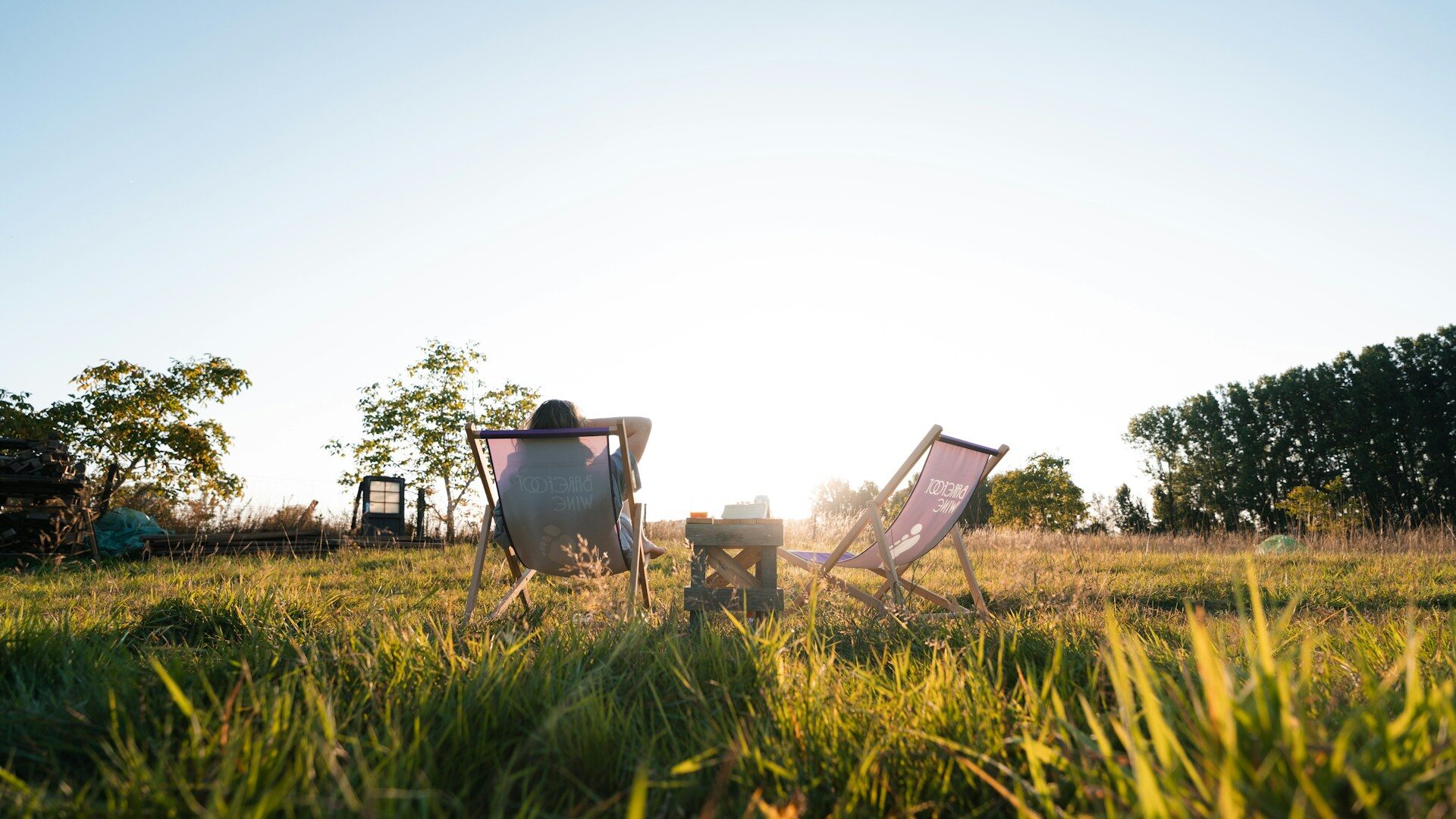
Your autonomic nervous system shifts between two main modes. The sympathetic side, often called fight or flight, raises heart rate, breathing and alertness for effort and stress. The parasympathetic side, often called rest and digest, slows the heart, supports digestion and helps recovery. Healthy recovery depends on being able to switch smoothly into the rest mode after training and daily stress.
The Two Modes Compared
| Feature | Sympathetic (Stress) | Parasympathetic (Rest) |
|---|---|---|
| Heart rate | Higher | Lower |
| Breathing | Faster, shallower | Slower, deeper |
| Digestion | Slowed | Active |
| Muscles | Ready for action | Relaxed |
| Typical triggers | Exercise, deadlines, cold shock | Calm breathing, sleep, warm relaxation |
Why Balance Matters for Recovery
Hard training and daily stress both push the body toward the stress side. Recovery happens mostly when the rest side takes over, especially during sleep. If you stay stuck in stress mode, you may sleep poorly, feel wired yet tired and recover slowly between workouts. Learn how cold affects this in how cold plunging affects your nervous system.
Signs of Each State
- Stress side dominant: racing thoughts, tense shoulders, higher resting heart rate, trouble falling asleep.
- Rest side dominant: calm breathing, relaxed muscles, steady energy, easier sleep.
Heart rate variability (HRV) from wearables gives one rough window into this balance; higher HRV often reflects better recovery for an individual over time.
Habits That Help You Shift to Rest
- Slow breathing: breathe out longer than you breathe in for a few minutes.
- Warmth: a sauna or warm bath in the evening helps many people relax.
- Gentle movement: walking or easy yoga after stressful days.
- Consistent sleep: regular bed and wake times.
- Screen breaks: dim lights and devices before bed.
Lighting can help too; see lighting ideas for a calm recovery room.
Where Cold Fits
A cold plunge triggers a short burst of the stress response, followed for many people by a calm, alert feeling once they rewarm. That makes cold useful in the morning or midday, while warmth and slow breathing are usually better choices right before bed. Plan each tool for the time of day it suits.
A Five-Minute Wind-Down
A short routine before bed can help the rest side take over. Sit or lie comfortably, breathe in through the nose for about four counts and out for about six, and let the shoulders drop. Follow with a warm shower or a few minutes of gentle stretching. Doing the same steps each night teaches the body that this sequence means sleep is coming. A body basics approach like this costs nothing and works alongside any recovery tool.
When Stress Feels Constant
Ongoing anxiety, poor sleep for weeks or a racing heart at rest are worth discussing with a doctor. Recovery habits support well-being, but they are not a substitute for care when stress feels unmanageable. More on the body’s systems is in body basics.
Final Thoughts
Your nervous system moves between stress and rest all day. Training and daily life push toward stress; slow breathing, warmth, gentle movement and good sleep help you shift back so recovery can happen.
FAQs
Does sauna use activate the rest response?
For many people, the relaxing period after a sauna does.
Is cold plunging relaxing or stressful?
Both. It starts as stress, and many feel calm afterward.
How quickly can breathing calm the nervous system?
Many people notice a change within a few minutes.






Write Your Review
No reviews yet. Be the first to share your experience!