


TENS units are thought to ease pain in two main ways: their gentle electrical pulses send competing signals along sensory nerves, which can reduce how strongly pain signals register, and certain settings may encourage the body to release its own natural pain-relieving chemicals. Many people find TENS helpful for everyday aches in the back, neck and joints, though results vary and it does not treat the underlying cause of pain.
The Gate Control Idea
A long-standing explanation is the gate control theory. Nerves that carry touch and tingling sensations can partly “close the gate” in the spinal cord to pain signals traveling the same route. TENS creates that tingling, so pain may feel less intense while the device runs and for a while afterward.
Common Settings Explained
| Setting | What It Changes | Typical Use |
|---|---|---|
| High frequency | Steady, fast tingling | Comfort during the session |
| Low frequency | Slower pulses, sometimes a tapping feel | Longer-lasting relief for some people |
| Pulse width | How long each pulse lasts | Wider feels stronger |
| Intensity | Overall strength | Strong but comfortable, never painful |
| Modes | Preset patterns | Variety reduces adaptation |
Pad Placement Basics
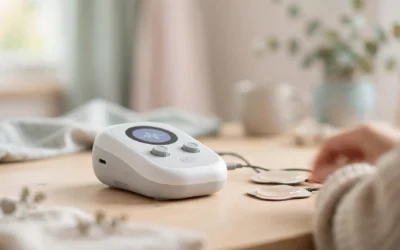
- Place pads around the area of discomfort, not directly on a joint or bone.
- Keep pads at least an inch apart.
- Avoid the front of the neck, the head, the chest and broken skin.
- Clean, dry skin helps pads stick and spreads current evenly.
Pads wear out over time; see our gear care guides for upkeep tips.
What Research Suggests
Studies on TENS show mixed but often positive results for short-term relief in several kinds of musculoskeletal pain, with better results when settings and intensity are adequate. It works best as part of a broader plan that includes movement and, where needed, professional care. For how TENS compares with EMS, read TENS vs EMS units.
Why Results Differ Between People
Pain is personal, and so is the response to TENS. Pad placement, intensity, how long you use it and the cause of the discomfort all change results. Some people feel relief within minutes, others need to adjust settings over several sessions, and some notice little benefit. Keeping notes on placement and settings that help makes it easier to repeat what works.
Using a TENS Unit at Home
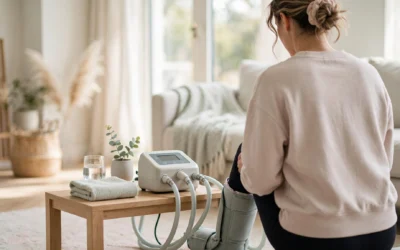
- Read the manual and start at the lowest intensity.
- Increase slowly until you feel strong but comfortable tingling.
- Use sessions of about 20 to 30 minutes, following the maker’s guidance.
- Turn the unit off before moving or removing pads.
- Note which settings help most and keep a simple log.
Safety Rules
Do not use TENS with a pacemaker or implanted electrical device, over the front of the neck, on the head, over the chest, during pregnancy without a doctor’s approval, or while driving or bathing. See a doctor for new, severe or unexplained pain, or pain that comes with numbness or weakness. Browse device types in our TENS unit guides and the TENS overview.
Final Thoughts
TENS units change how pain signals are felt through gentle nerve stimulation and may help with everyday aches. Start low, place pads correctly, follow safety rules and use TENS as one part of a wider plan.
FAQs
How long does TENS relief last?
It varies, from during the session to some time afterward.
Can TENS make pain worse?
Intensity that is too high can be uncomfortable. Keep it strong but comfortable.
Where should TENS pads not go?
Not on the front of the neck, head, chest or broken skin.








Write Your Review
No reviews yet. Be the first to share your experience!