

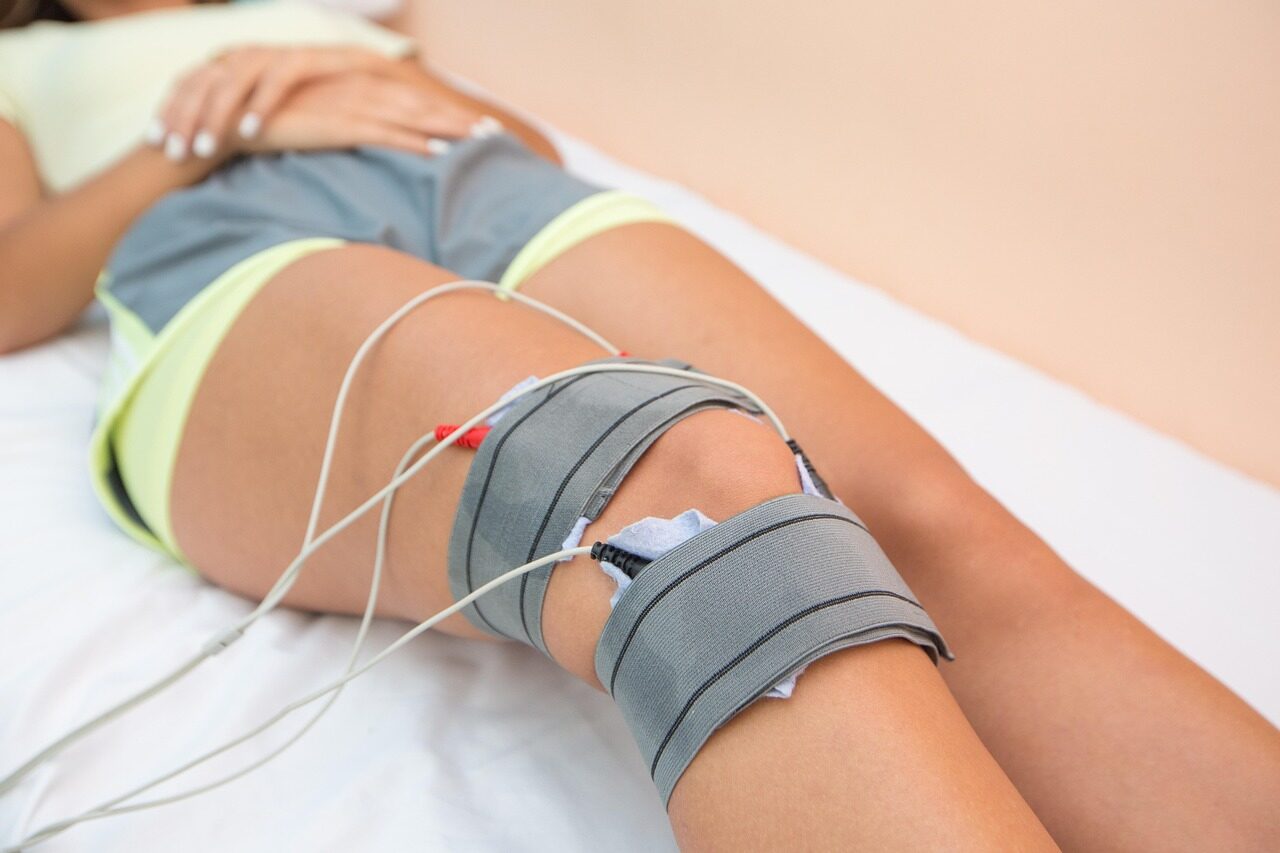
TENS and EMS units both send small electrical pulses through pads on the skin, but they aim at different things. TENS (transcutaneous electrical nerve stimulation) targets sensory nerves and is mainly used for comfort and pain relief. EMS (electrical muscle stimulation) targets motor nerves to make muscles contract, and is used for muscle activation and recovery routines. Many home devices combine both modes.
Side-by-Side Comparison
| Factor | TENS | EMS |
|---|---|---|
| Main target | Sensory nerves | Muscles through motor nerves |
| Feeling | Tingling or buzzing | Visible muscle twitch or contraction |
| Common use | Easing everyday aches and pain | Muscle activation, recovery routines |
| Typical intensity | Comfortable tingling | Stronger, contraction level |
| Session style | Steady, often longer sessions | Cycles of contraction and rest |
How TENS Works
TENS is thought to work partly by sending competing signals along the nerves, which can reduce how strongly pain signals are felt, and possibly by encouraging the body’s own pain-relief chemicals. Many people use it for sore backs, necks and joints. Read our TENS unit guides for device types.
How EMS Works
EMS causes muscles to contract without you moving them yourself. Athletes and physical therapists use it as one part of recovery or muscle activation routines. It does not replace exercise for building strength or burning calories, despite some marketing claims.
What a Session Feels Like
A TENS session usually feels like a steady buzz or light tapping under the pads, and many people use it while reading or watching TV. An EMS session feels very different: the muscle tightens on its own, holds, then relaxes in cycles. EMS should never feel sharp or cramp-like. If either mode is uncomfortable, lower the intensity or move the pads slightly.
Combo Devices
Many home units offer TENS and EMS programs in one device, with multiple channels and pad sizes. They are convenient if you want both comfort and recovery modes. Check the number of channels, program types, intensity steps and whether replacement pads are easy to find. Pad care matters for both modes; see our gear care guides.
Safety Rules
- Do not use either device if you have a pacemaker or other implanted electrical device.
- Avoid the front of the neck, the head, the chest over the heart and broken or irritated skin.
- Check with a doctor first if you are pregnant, have epilepsy, heart conditions or unexplained pain.
- Start at the lowest intensity and increase slowly.
- Do not use while driving or in water.
Which One Fits Your Goal
- For everyday aches and tension, TENS is usually the starting point.
- For post-workout muscle routines, EMS programs are the usual choice.
- For both, a combo unit covers each mode.
Compare recovery tools in our recovery tech overview and myths in common myths.
Final Thoughts
TENS uses gentle pulses aimed at nerves for comfort; EMS uses stronger pulses that make muscles contract. Choose based on your goal, follow safety rules and start low.
FAQs
Can EMS build muscle?
Not on its own. It can support routines but does not replace training.
Is TENS safe to use every day?
Many people use it daily within the maker’s guidance. Rotate pad placement.
Can I use TENS and EMS on the same day?
Often, yes, on different sessions. Follow the device instructions.





Write Your Review
No reviews yet. Be the first to share your experience!