

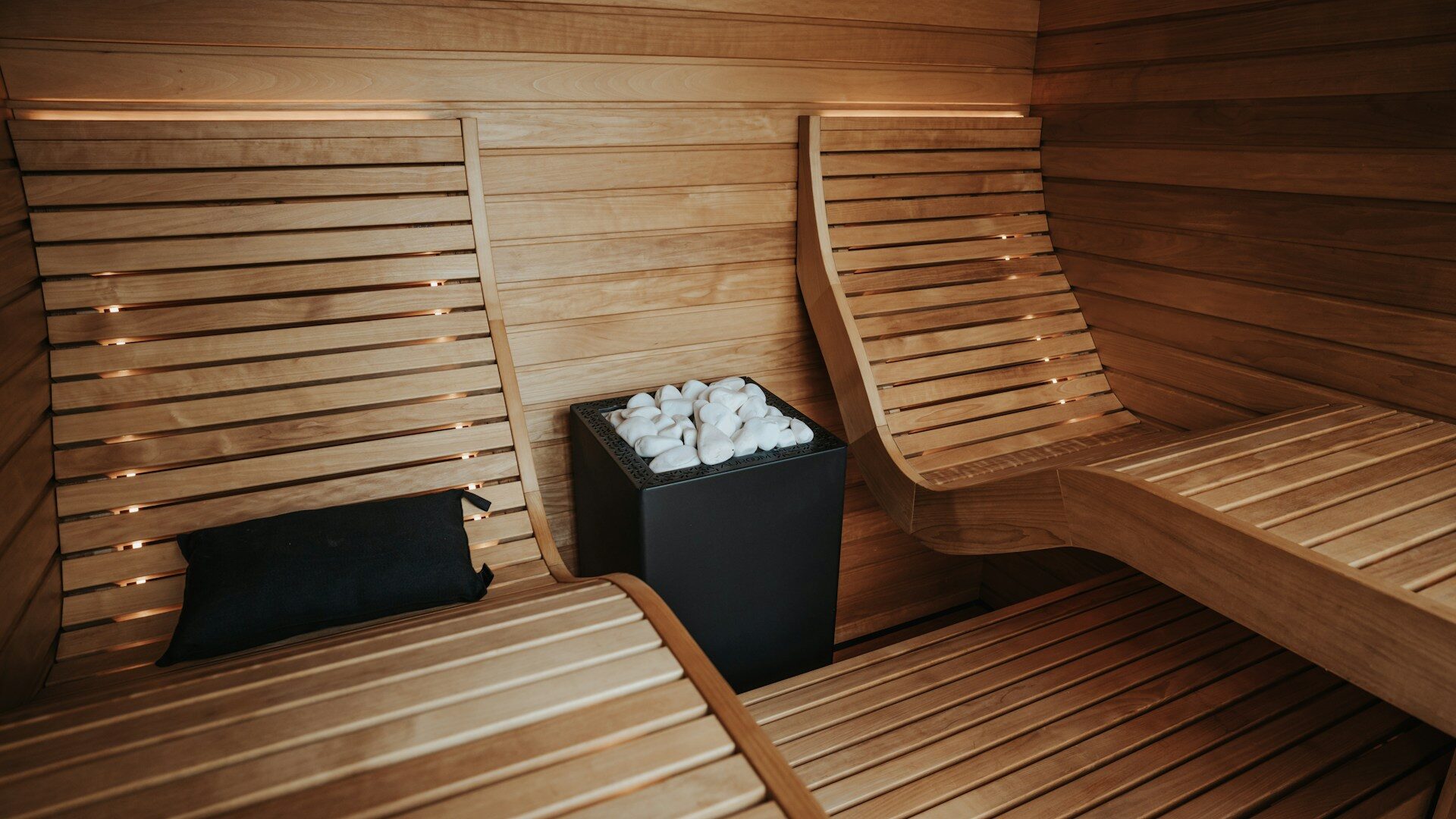
No, a sauna cannot replace cardio exercise. Heat does raise heart rate and widen blood vessels in ways that overlap with light exercise, and regular sauna use has been linked with heart health benefits in long-term studies. But sauna sessions do not train your muscles, lungs or movement skills, and they burn far fewer calories than a brisk walk of similar length. The best results usually come from doing both.
Why the Comparison Comes Up
In a hot sauna, heart rate can climb to 100 to 150 beats per minute, similar to a walk or easy jog. Blood vessels widen and blood flow shifts toward the skin to release heat. Finnish studies have linked frequent sauna bathing with lower rates of heart problems over many years. Headlines sometimes turn that into a claim that sauna equals exercise. Our guide to how regular sauna sessions may support heart health covers what those studies actually found.
Where Sauna and Cardio Overlap
| Effect | Sauna | Cardio Exercise |
|---|---|---|
| Raises heart rate | Yes, from heat | Yes, from muscle work |
| Widens blood vessels | Yes | Yes |
| Builds muscle endurance | No | Yes |
| Improves lung capacity | Little | Yes |
| Strengthens bones and joints | No | Yes, with impact or load |
| Calories burned | Modest | Higher |
| Relaxation | High | Varies |
What Sauna Cannot Do
- Train muscles: muscles need to work against effort to adapt.
- Build aerobic capacity: your body’s oxygen system improves mainly through movement.
- Improve balance and coordination: these come from practice.
- Burn meaningful fat: most weight lost in a sauna is water. See how many calories a sauna session burns.
Where Sauna Helps a Fitness Routine
Sauna can be a helpful partner to exercise. Many people use it to relax after workouts, to feel looser on rest days and to wind down before sleep. Some research suggests regular heat exposure may help the body adapt to training in hot weather. Read the connection between sauna use and better sleep for one of the most common benefits people notice.
A Balanced Weekly Plan
- Aim for about 150 minutes of moderate activity per week, such as brisk walking or cycling.
- Add two strength sessions to support muscles and bones.
- Use the sauna two to four times per week, often after training or in the evening.
- Keep sauna sessions to about 10 to 20 minutes and hydrate well.
When Sauna Is Useful on Its Own
For people who cannot exercise for a while, such as during some recoveries, gentle sauna use may still offer relaxation and circulation benefits, but only with a doctor’s approval. Anyone with heart conditions, low blood pressure or pregnancy should check with a doctor before using a sauna.
Final Thoughts
Sauna sessions share a few effects with light cardio, but they do not deliver the muscle, lung and movement benefits of real exercise. Think of the sauna as a recovery and relaxation tool that sits alongside your workouts, not in place of them.
FAQs
Is 20 minutes in a sauna like a workout?
Not really. Heart rate rises, but muscles and lungs are not trained.
Does a sauna help heart health?
Long-term studies link regular use with heart benefits. It works best alongside exercise.
Should I use the sauna before or after cardio?
After is more common. Hydrate well between the two.









Write Your Review
No reviews yet. Be the first to share your experience!