

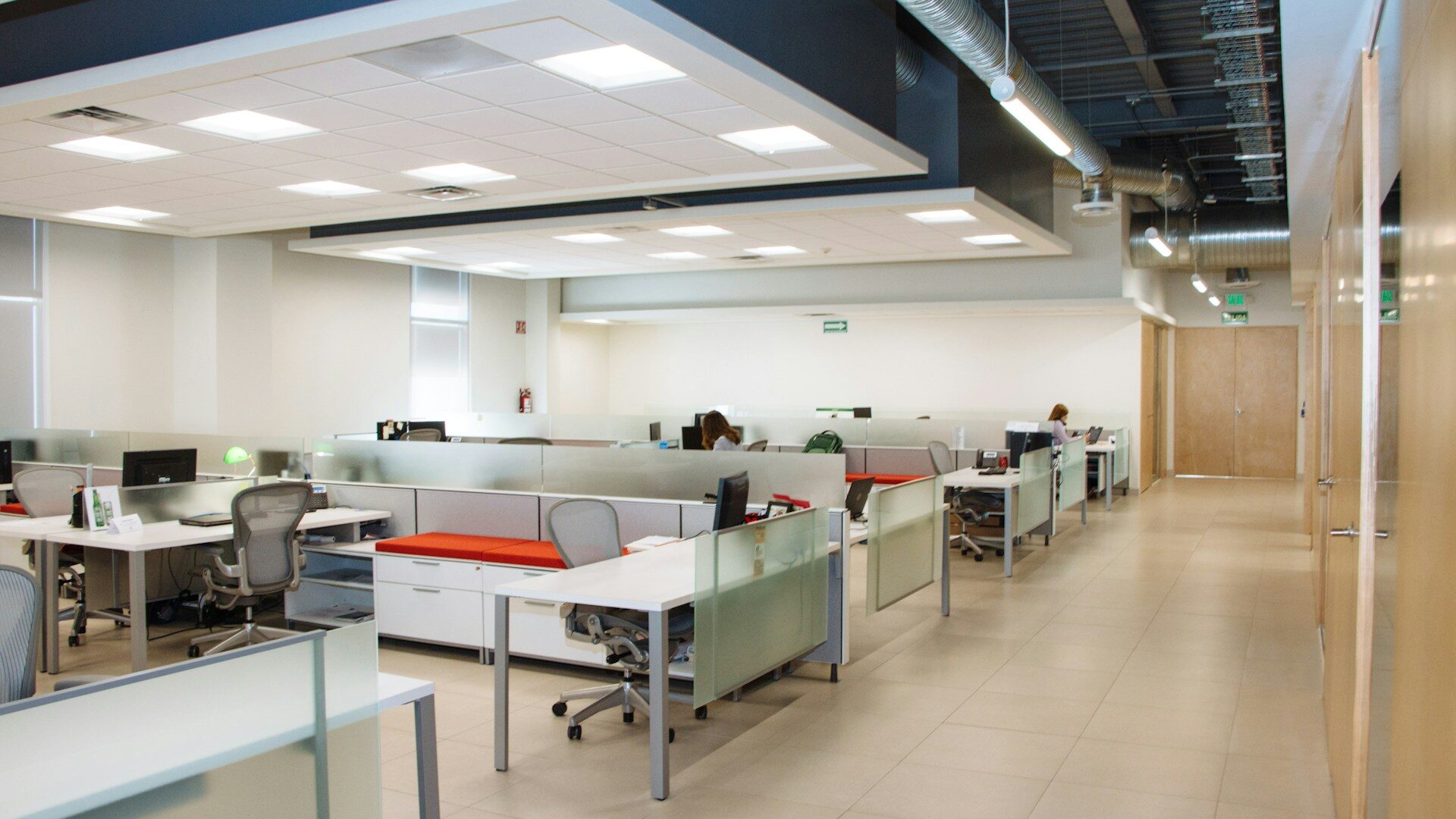
When you sit for many hours, your joints stay in the same bent position with little movement. Hips and knees can feel stiff, the muscles around them shorten and tighten, and the lower back takes steady pressure. Cartilage relies on movement to get nutrients from joint fluid, so long stillness can leave joints feeling creaky. Standing up and moving every 30 to 60 minutes is one of the easiest ways to help.
Why Joints Need Movement
Cartilage, the smooth tissue that covers the ends of bones, has very little blood supply. It gets nutrients from synovial fluid, which moves in and out as the joint is loaded and unloaded. When you walk, bend and stretch, that fluid circulates. When you sit still for hours, it moves less, which may be one reason joints feel stiff when you finally stand up. Our article on why muscles feel stiff in the morning explains a similar effect after sleep.
Joint by Joint
| Area | What Long Sitting Does | What You May Feel |
|---|---|---|
| Hips | Hip flexors stay short, glutes switch off | Tight front of hips, stiff first steps |
| Knees | Stay bent with little movement | Achy or stiff when standing |
| Lower back | Steady pressure on discs, often slumped | Dull ache, tired back |
| Neck and shoulders | Head drifts forward toward the screen | Tight upper back and neck |
| Ankles | Little range of motion | Stiff ankles, swollen feet late in the day |
The Role of Muscles and Fascia
Joints do not work alone. Muscles that stay shortened, like the hip flexors and hamstrings, can pull on joints and change how you stand and walk. Fascia, the connective tissue around muscles, can also feel tight after long periods without movement. Learn more in what fascia is and why it gets tight.
Easy Habits for Desk Days
- Stand up every 30 to 60 minutes, even for one minute.
- Walk during phone calls when you can.
- Do 10 slow hip circles and 10 ankle circles each hour.
- Set your screen at eye level so your head stays over your shoulders.
- Keep feet flat and knees about level with your hips.
- Take a 10-minute walk after lunch.
Tools That Can Help After Work
- Gentle heat: a warm shower or heat pad can loosen stiff hips and back. See how heat therapy helps stiff joints.
- Massage: a massage chair or gun on the glutes, thighs and upper back eases tightness.
- Light stretching: hip flexor and hamstring stretches for a few minutes each evening.
When to See a Doctor
Stiffness that eases once you move is common. See a doctor if a joint is swollen, red or warm, if pain wakes you at night, if stiffness lasts more than about 30 minutes each morning or if you notice numbness or weakness. These can point to problems that need proper care.
Final Thoughts
Sitting all day does not ruin your joints, but long stillness leaves them stiff and the muscles around them tight. Short, frequent movement breaks, a better desk setup and a little heat or massage after work go a long way. Your joints were built to move, so give them small chances throughout the day.
FAQs
Can sitting too much cause joint pain?
It can add to stiffness and aches, especially in the hips, knees and lower back. Regular movement usually helps.
How often should I get up from my desk?
Every 30 to 60 minutes is a good target. Even a minute of standing or walking helps.
Does a standing desk fix joint stiffness?
It helps if you switch positions. Standing still all day has its own problems, so mix sitting, standing and walking.









Write Your Review
No reviews yet. Be the first to share your experience!