

You may have heard people talk about tight fascia or fascia release. Fascia is a real part of your body, though it gets less attention than muscles and bones. Understanding what it is helps explain why stiffness sometimes feels spread out rather than tied to one muscle.
What Fascia Is
Fascia is a thin, strong web of connective tissue made mostly of collagen. It wraps around every muscle, muscle fiber, bone and organ. Picture the thin white layer you see on a cut of chicken breast. That is fascia. It holds things in place while letting layers slide over each other as you move. Fascia runs in long, connected sheets, so tension in one area, like the calves, can sometimes be felt further along the chain, such as behind the knee or in the hamstrings.
What Fascia Does
- Holds structure: keeps muscles and organs in place.
- Transfers force: links muscles so they work together.
- Allows gliding: healthy fascia lets tissues slide smoothly.
- Senses movement: contains nerve endings that help with body awareness.
Why Fascia Feels Tight
| Cause | What Happens |
|---|---|
| Long sitting or little movement | Layers glide less smoothly and feel stiff |
| Repetitive motion | The same areas take heavy load over and over |
| Hard training without recovery | Tissues stay sore and guarded |
| Low water intake | Tissues may feel less supple |
| Past injury or surgery | Scar tissue can limit sliding |
| Stress | Muscles stay tense for long periods |
Fascia and Muscle Knots
Many people describe tight spots in their back or shoulders as knots. These often involve both muscle and fascia. Researchers still debate exactly what knots are. Our guide on what causes muscle knots covers the current thinking.
Ways to Keep Fascia Moving
- Move often: short walks and posture changes during the day help most.
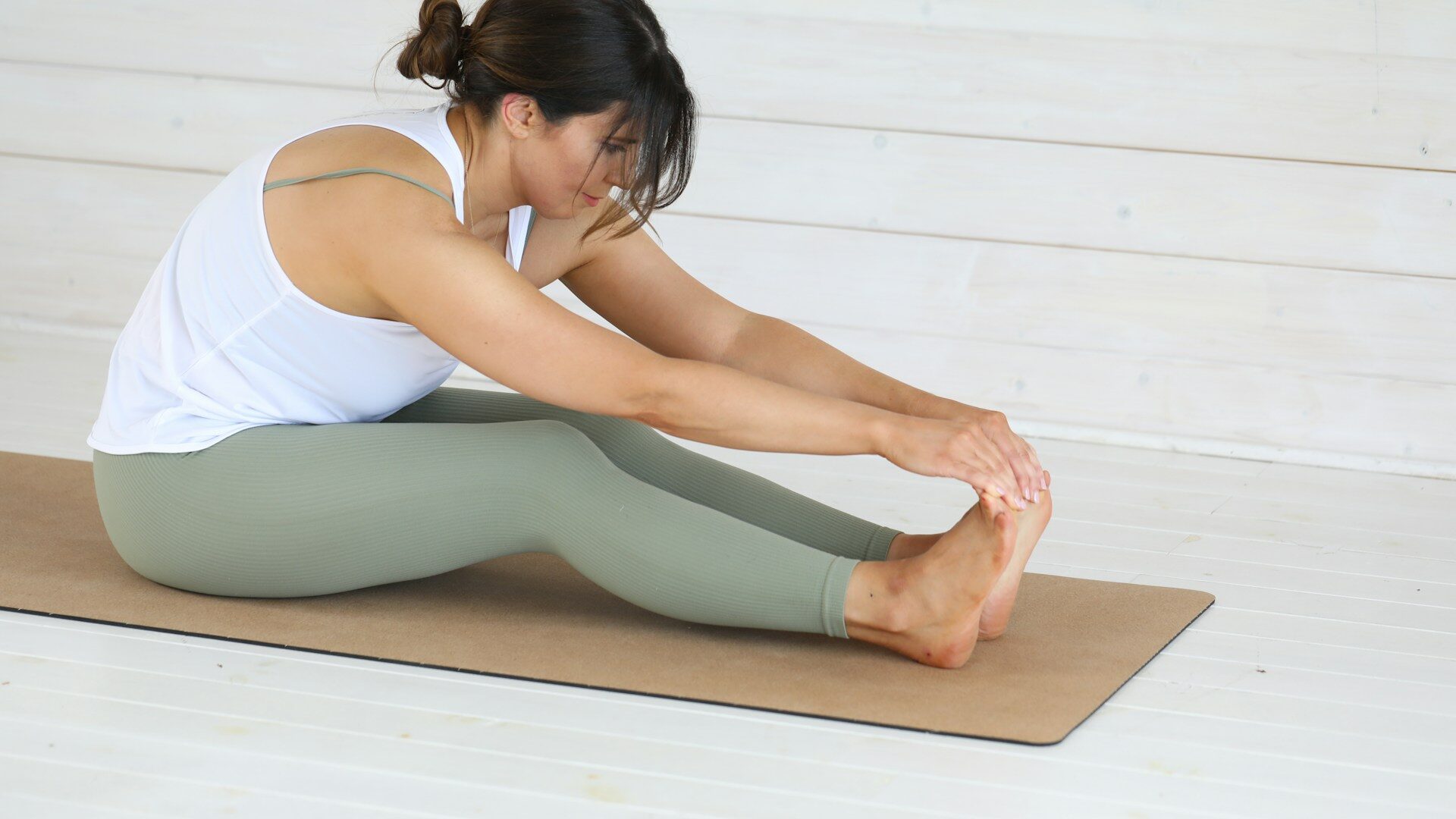
- Stretch gently: slow, sustained stretches with steady breathing.
- Foam roll or massage: moderate pressure over larger areas.
- Use heat: warmth can make tissue feel looser before stretching.
- Stay hydrated: water supports all your tissues.
Can a Massage Gun Release Fascia?
Massage guns may help tight areas feel looser and less sore, likely by calming nerves and increasing local blood flow. The idea that they physically break up fascia is not well supported. Use moderate pressure, keep moving the head and spend about one to two minutes per area rather than pressing hard on one spot. See what percussion massage does to sore muscles for details.
Final Thoughts
Fascia is the connective web that wraps and links your muscles. It can feel tight after long sitting, repetitive work, hard training or stress. Regular movement, gentle stretching, massage and heat help keep it gliding. Small daily habits matter more than one intense session. Browse our massage gun category if you want a tool for home.
FAQs
Can you feel your fascia?
Not directly as a separate layer. You feel it as stiffness or ease in movement.
Does stretching loosen fascia?
Regular, gentle stretching can help tissues feel looser. Consistency matters more than intensity.
Is fascia release painful?
It should not be very painful. Moderate pressure that feels like a good ache is enough.








Write Your Review
No reviews yet. Be the first to share your experience!