

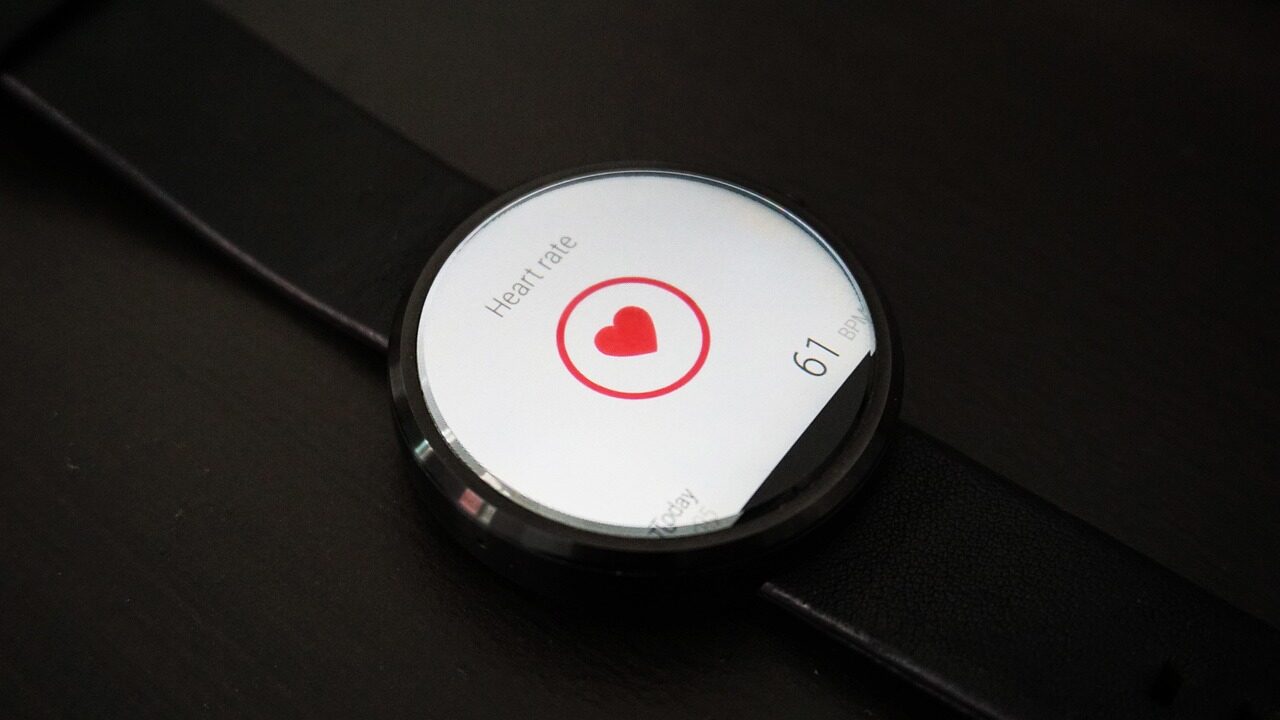
Heart rate variability, or HRV, measures the small changes in time between heartbeats. A higher HRV compared to your own normal usually suggests your body is well recovered and your rest-and-digest system is active. A lower HRV than usual often points to stress, poor sleep, illness, alcohol or hard training. HRV is most useful as a personal trend over days and weeks, not as a single number to compare with other people.
What HRV Actually Measures
Your heart does not beat like a metronome. If your heart rate is 60, the gap between beats might be 0.95 seconds, then 1.05, then 1.0. That variation is HRV. It is shaped by the balance between your stress response and your relaxation response. Our article on how your nervous system shifts between stress and rest explains those two systems.
What Pushes HRV Up or Down
| Tends to Lower HRV | Tends to Raise HRV |
|---|---|
| Short or poor sleep | Consistent, good sleep |
| Alcohol, especially in the evening | Regular aerobic exercise over time |
| Hard training without enough rest | Rest days after hard blocks |
| Illness or infection | Slow breathing and relaxation practice |
| Mental stress | Good hydration and nutrition |
| Dehydration and heat | Lower everyday stress |
How to Track It
- Use a wearable or chest strap that reports HRV, often measured overnight or right after waking.
- Stick to the same device and timing so readings are comparable.
- Collect two to three weeks of data to learn your normal range.
- Focus on the 7-day average rather than single-day dips.
HRV values vary widely between people and devices, so a reading of 40 might be normal for one person and low for another.
Using HRV to Plan Training
- Within your normal range: train as planned.
- Clearly below normal for a day: consider a lighter session if you also feel tired.
- Below normal for several days: take a rest or recovery day and look at sleep and stress.
- Above normal: often a sign you are fresh, but no need to push harder just because of it.
Pair HRV with resting heart rate for a fuller picture. See how to read resting heart rate trends and how to use heart rate recovery to plan rest days.
How Recovery Tools May Affect HRV
Some people notice higher HRV after relaxing evening routines, such as a sauna session followed by a cool shower, slow breathing or gentle stretching. Others see lower readings after late, very hot sessions. Track how your own body responds and adjust timing. Our rest day recovery routine is a good starting point.
Common Mistakes
The biggest mistakes are reacting to every daily dip, comparing numbers with friends and changing devices often. HRV is a guide, not a verdict. How you feel still matters. If HRV stays low for weeks, or comes with symptoms like chest discomfort, a racing heartbeat or extreme fatigue, talk to a doctor.
Typical HRV Ranges by Age
HRV is personal, but it helps to know that average values tend to fall with age. The ranges below are rough examples based on common wearable readings using the RMSSD method. Your own numbers may be higher or lower and still be completely healthy.
| Age Group | Common HRV Range (ms) |
|---|---|
| 20s | Often around 40 to 100 |
| 30s | Often around 35 to 85 |
| 40s | Often around 30 to 70 |
| 50s | Often around 25 to 60 |
| 60s and up | Often around 20 to 50 |
Genetics, fitness, body size and the device itself all shift these numbers. That is why comparing yourself with friends or online charts can be misleading. Your own baseline is the most useful reference.
Which Devices Measure HRV Best
Different devices measure HRV in different ways, and that affects how much you can trust the readings. In general, the more stable the measurement, the more useful the trend.
- Chest straps: measure electrical heart signals directly and are among the most accurate options for short readings.
- Smart rings: measure overnight while you sleep, which gives a consistent, low-noise reading.
- Smartwatches: often measure during sleep or on demand. Overnight averages tend to be more reliable than spot checks.
- Phone apps with a camera: convenient, but more sensitive to movement and light.
Whatever you use, stick with it. Switching between a watch and a ring, for example, can make it look like your HRV changed when only the device did.
A Two-Week Plan to Find Your Baseline
- Wear the same device every night for 14 nights.
- Keep training, sleep and alcohol as normal as possible.
- Note any unusual events, such as a late meal, travel or a hard workout.
- At the end, look at the 7-day average and the lowest and highest normal days.
- Use that range as your personal baseline going forward.
After you know your range, check the weekly average more than daily numbers. A slow climb over months often reflects better fitness and lower stress, while a steady drop is a sign to look at sleep, training load and life stress.
Simple Habits That May Improve HRV
HRV responds to everyday habits, and the most effective ones are not expensive. Going to bed at a consistent time helps the body settle into a steady rhythm. Limiting alcohol, especially in the evening, often brings an overnight boost. Regular aerobic exercise, like brisk walks, cycling or easy jogging, tends to raise HRV over weeks and months. A few minutes of slow breathing before bed can calm the body as it heads into sleep. Staying hydrated, eating regular meals and planning rest days after hard training blocks also help. Change one habit at a time so you can see what makes the biggest difference for you.
HRV and Women’s Health
Many women notice that HRV shifts during the menstrual cycle. It often runs a little higher in the first half of the cycle and a little lower in the days before a period, when resting heart rate may also rise slightly. This is normal and does not mean recovery is poor. Tracking your cycle alongside HRV helps you read the numbers in context, so a lower reading before your period is not mistaken for overtraining. Pregnancy, perimenopause and menopause can also change HRV patterns. Some wearables now include cycle tracking that sits next to HRV data, which makes these patterns easier to see. If you notice large or sudden changes that come with symptoms like palpitations, dizziness or unusual fatigue, talk with your doctor. Otherwise, use these normal shifts as part of your personal baseline.
Final Thoughts
HRV gives a useful peek into how stressed or recovered your body is. Learn your normal range, watch weekly trends and combine it with sleep, mood and resting heart rate. Used that way, it can help you train smarter without obsessing over one number.
FAQs
What is a good HRV?
It depends on the person. Compare readings to your own average.
Is higher HRV always better?
Usually it suggests good recovery. Sudden large jumps are worth noting too.
Why is my HRV low after drinking?
Alcohol often lowers overnight HRV. It disrupts sleep and recovery.
When is the best time to measure HRV?
Overnight or right after waking, before getting out of bed. Measuring at the same time each day keeps readings comparable.
Does stress lower HRV?
Yes, mental and physical stress often lower HRV. A low reading after a stressful day is normal and usually recovers with rest.
Can a sauna session change my HRV?
It can, and the effect differs from person to person. Track a few weeks of readings after evening sessions to see how your own body responds.










Write Your Review
No reviews yet. Be the first to share your experience!