


Massage chairs may help ease everyday back tension for many people by relaxing tight muscles, improving how the back feels and encouraging regular relaxation breaks. Research on massage for low back discomfort suggests short-term relief for some, and chairs offer a convenient way to get that at home. They are not a treatment for injuries or medical back conditions, so ongoing or severe pain deserves a professional evaluation.
How Massage Chairs Work on the Back
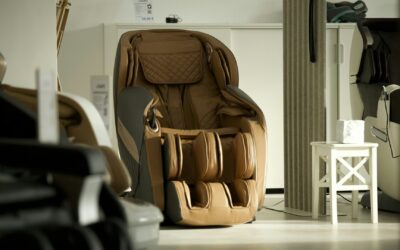
Rollers travel along a track that follows your spine, kneading, tapping and pressing on muscles on either side. Airbags squeeze the hips, shoulders and arms, and many chairs add heat in the lumbar area. The combination can relax the large muscles that tighten after long days at a desk or on your feet. Learn more in what causes muscle knots and how they release.
Features That Matter for Back Tension
| Feature | Why It Helps |
|---|---|
| L or SL track | Reaches the lower back and glutes, not just the upper back |
| Body scan | Adjusts roller positions to your height and spine shape |
| Lumbar heat | Warmth helps muscles relax |
| Adjustable intensity | Lets you start gentle and build up |
| Zero gravity recline | Takes pressure off the spine during sessions |
Compare designs in our massage chair guides.
Using a Massage Chair for Your Back
- Start with 10 to 15 minute sessions at low intensity.
- Use heat for the first part of the session.
- Choose programs focused on the lower back or full back.
- Get up slowly and move around afterward.
- Use it consistently rather than for one long session.
What Massage Chairs Cannot Do
A massage chair does not diagnose or fix structural problems such as disc issues or nerve compression, and it does not replace targeted exercise or physical therapy. If pain spreads down a leg, comes with numbness or weakness, follows an injury or lasts more than a few weeks, see a doctor or physical therapist before relying on a chair.
Pairing a Chair With Other Habits
Back tension often comes from long sitting, weak core muscles and stress. A chair helps you relax, but short movement breaks, simple core work and good desk setup address causes. Some people pair chair sessions with a massage gun for specific spots; see massage gun vs massage chair. For leg heaviness after long days, read why compression therapy helps with swelling.
Who Should Be Careful
People with osteoporosis, recent surgery, blood clots, pregnancy, implanted devices or certain heart conditions should check with a doctor before using a massage chair. Avoid high-intensity settings on sensitive or bruised areas.
Final Thoughts
Massage chairs may help relieve everyday back tension and make regular relaxation easy. Choose a chair that reaches the lower back, start gentle and see a professional for persistent or severe pain.
FAQs
How often should I use a massage chair for back tension?
Short sessions most days work for many people. Avoid very long sessions.
Is an L track better for the lower back?
Usually, yes. It reaches the lower back and glutes.
Can a massage chair make back pain worse?
High intensity can irritate sore areas. Start gentle and stop if pain increases.





Write Your Review
No reviews yet. Be the first to share your experience!