

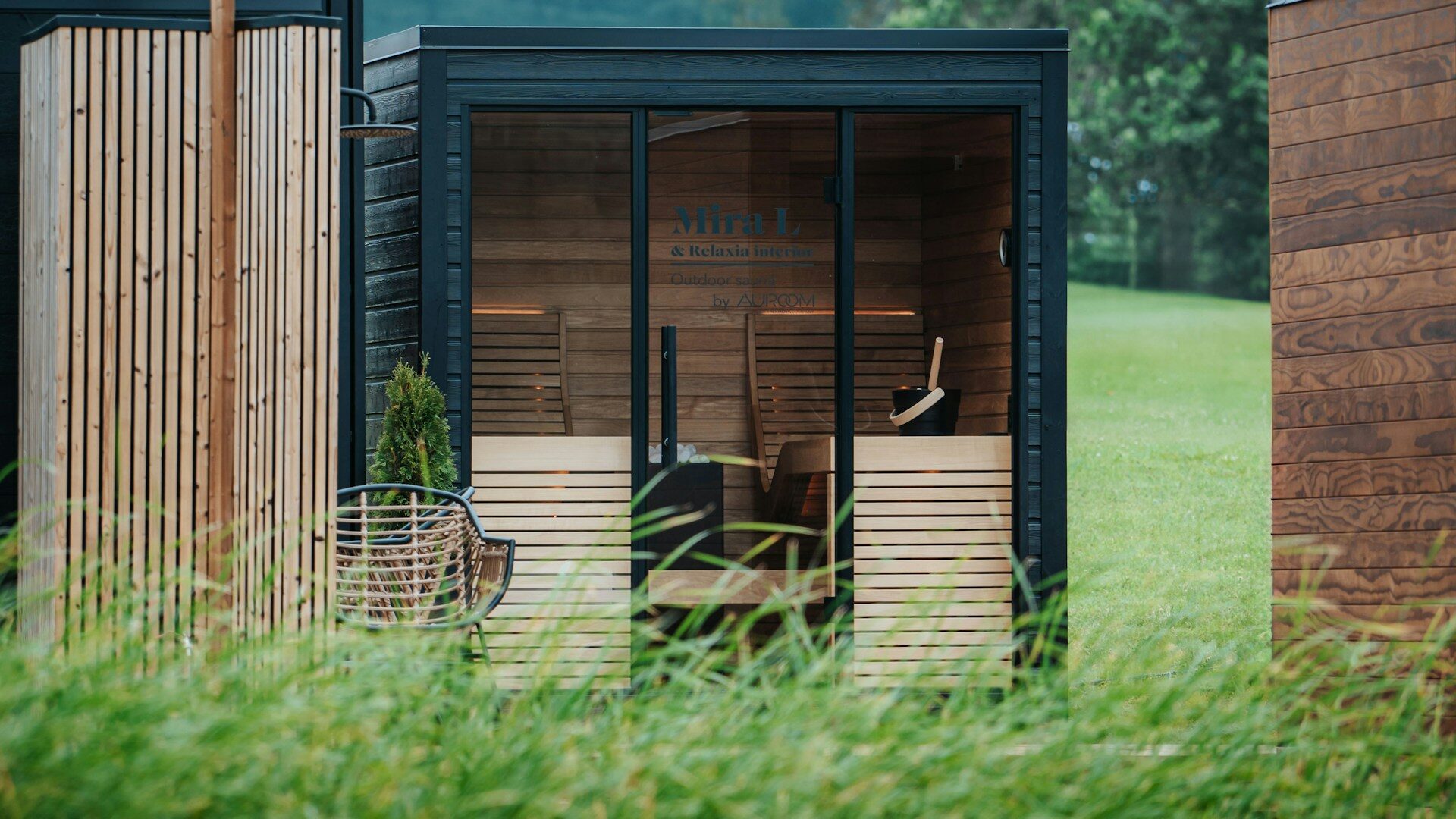
An indoor sauna is usually best if you want year-round convenience, a short walk from the shower and protection from weather. An outdoor sauna is usually best if you have yard space, want a retreat away from the house and like pairing it with a cold plunge or open air cooldown. Indoor saunas need careful attention to moisture and ventilation. Outdoor saunas need a solid foundation, weatherproofing and a longer power run.
Comparing the Two Locations
| Factor | Indoor Sauna | Outdoor Sauna |
|---|---|---|
| Convenience | Steps from bathroom and bedroom | Walk outside in all weather |
| Space | Uses room inside the house | Uses yard space |
| Moisture | Needs vapor barrier and venting | Moisture stays out of the house |
| Electrical work | Often a shorter run to the panel | Longer run, outdoor-rated wiring |
| Weather | Not a concern | Roofing, sealing and snow load matter |
| Cool-down | Shower or cool room | Fresh air, cold plunge nearby |
Good Indoor Spots
- Basements: often have space and a concrete floor. Watch for dampness. See our guide to building a basement wellness room.
- Large bathrooms: close to a shower and already built for moisture.
- Spare rooms: plenty of room for a sauna and a changing area. Read turning a spare bedroom into a recovery space.
- Garages: flexible space, though insulation and temperature swings matter.
Good Outdoor Spots
- A level patio or gravel pad close to the back door.
- A corner with natural privacy from fences or plants.
- A spot near where a cold plunge or outdoor shower could go.
- Away from overhanging branches that drop debris or snow.
Our article on designing a backyard sauna and cold plunge area shows how to lay out the full space.
Practical Checks Before You Decide
- Confirm the heater’s power needs and whether your panel can handle it. Our electrical basics for a home sauna article covers the basics.
- Check local rules. Some areas require permits for outdoor structures or new circuits.
- Measure doorways and stairs if the sauna arrives in panels.
- Plan ventilation. Indoor rooms need fresh air in and moist air out. See ventilation basics for a home sauna.
- Think about winter. Will you really walk outside in snow?
Which Sauna Types Fit Each Location
Most infrared saunas are designed for indoor use and plug into a standard or dedicated circuit. Traditional saunas work in either location if built for it. Barrel saunas are usually outdoor units, while cabin saunas come in both indoor and outdoor versions. Our comparison of barrel vs cabin saunas helps if you are going outdoors.
Final Thoughts
Indoor placement wins on everyday convenience. Outdoor placement wins on atmosphere and keeping heat and moisture out of the house. List how often you will use it, where you will cool down and what your space and wiring allow, and the right location becomes clear.
FAQs
Is it safe to put a sauna in a basement?
Yes, with proper ventilation and moisture control. Address any dampness first.
Do outdoor saunas need a foundation?
Yes, a level and well-drained base. Gravel, pavers or concrete are common.
Can an infrared sauna go outside?
Only models rated for outdoor use. Most infrared units are indoor-only.









Write Your Review
No reviews yet. Be the first to share your experience!