

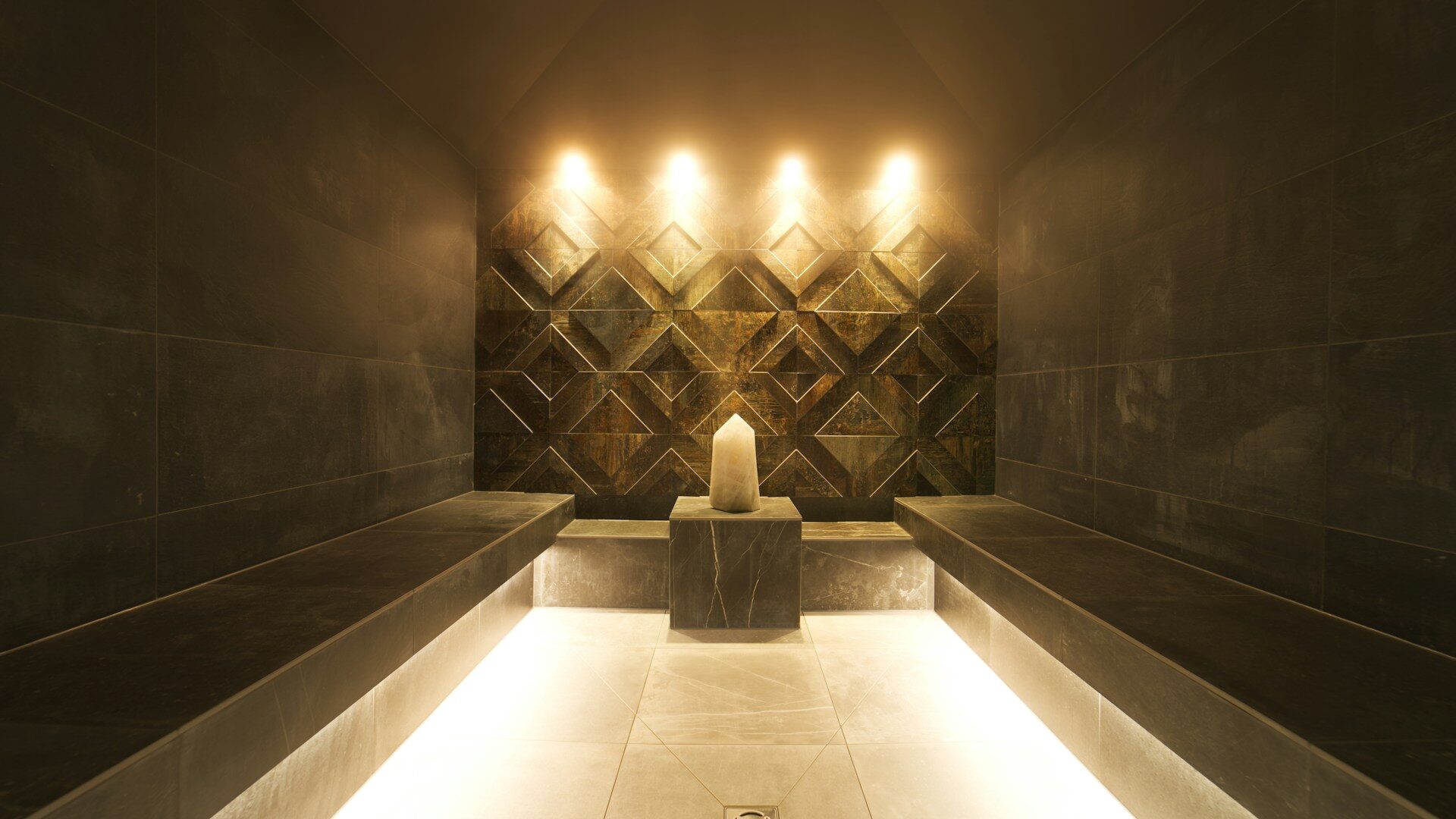
To descale a steam generator, turn off the power, let the unit cool, drain the tank, then add a descaling solution approved by the maker and let it sit for the recommended time before flushing with clean water. Many homes need to descale every few months, and hard water homes may need it more often. Auto-drain and auto-flush features help, but they do not remove every bit of scale. Always follow your model’s manual first.
Why Scale Builds Up
When water turns to steam, the minerals in it stay behind. Calcium and magnesium form a hard, chalky layer called scale inside the tank and on the heating element. Over time, scale makes the heater work harder, slows steam output and can shorten the life of the generator. Our steam generators guide explains how these units work.
Signs It Is Time to Descale
- Steam takes longer to start than it used to.
- Steam output feels weaker.
- Crackling, popping or rumbling sounds from the unit.
- White crust around the steam head or drain.
- Error codes about heating or water level.
How Often to Descale
| Water Type | Typical Use | Descaling Frequency |
|---|---|---|
| Soft water | A few sessions per week | Every 6 to 12 months |
| Moderate hardness | A few sessions per week | Every 3 to 6 months |
| Hard water | A few sessions per week | Every 1 to 3 months |
| Any water | Daily use | Check monthly, descale as needed |
Many local water utilities publish hardness levels, or you can use simple strips from a hardware store.
Step-by-Step Descaling
- Turn off power at the breaker or switch and wait for the unit to cool fully.
- Drain the tank using the drain valve or auto-drain function.
- Close the drain and add the descaling solution the maker recommends, often through a fill port or by mixing with water.
- Let it sit for the time in the manual, often 30 minutes to a few hours.
- Drain again and flush with clean water two or three times.
- Restore power and run a short steam cycle to confirm normal output.
Avoid harsh acids or homemade mixes unless the maker approves them, since some can damage seals and metal parts.
Features That Reduce Scale
- Auto-drain: empties the tank after each session so minerals do not sit.
- Auto-flush: rinses the tank periodically.
- Water softener: treating water before it reaches the unit greatly reduces scale.
If your home has hard water, ask your installer whether a softener on the supply line is a good idea.
Keep the Steam Room Clean Too
Descaling covers the generator. The steam enclosure needs its own cleaning to prevent mold and mineral spots on glass and tile. Wipe surfaces after sessions, run the exhaust fan and clean grout regularly. Our guide on creating a relaxing home spa bathroom has moisture control tips, and steam shower vs sauna covers upkeep differences.
Understanding Water Hardness
Water hardness tells you how much calcium and magnesium your water carries, and that is what turns into scale. Many utilities report hardness in grains per gallon or parts per million. Knowing your number helps you set a realistic descaling schedule.
| Hardness Level | Grains Per Gallon | Parts Per Million | Scale Risk |
|---|---|---|---|
| Soft | Under 1 | Under 17 | Low |
| Slightly hard | 1 to 3.5 | 17 to 60 | Low to moderate |
| Moderately hard | 3.5 to 7 | 60 to 120 | Moderate |
| Hard | 7 to 10.5 | 120 to 180 | High |
| Very hard | Over 10.5 | Over 180 | Very high |
Check your utility’s annual water quality report or use inexpensive hardness strips. If you have a private well, hardness can be much higher than city water, so it is worth checking.
Choosing a Descaling Product
The safest choice is always the descaler your generator’s maker recommends. Many brands sell their own solution, and some list approved alternatives in the manual. Here is what to keep in mind when shopping.
- Check the material list: make sure the product is safe for stainless steel, copper or whatever your tank and heater are made of.
- Follow the dilution: too strong a mix can damage seals and gaskets.
- Avoid unapproved acids: strong household acids and some cleaners can void the warranty.
- Buy enough for a year: keeping a supply on hand makes it easier to stick to your schedule.
Safety Tips During Descaling
Descaling involves electricity, hot water and chemicals, so take a few precautions. Turn off power at the breaker, not just the control panel, before opening anything. Let the unit cool fully, since water in the tank can stay hot for a long time after use. Wear gloves and eye protection when handling descaling solutions, and keep the area ventilated. Keep children and pets away while you work, and store descaling products in their original containers out of reach.
- Power off at the breaker.
- Wait at least an hour for the unit to cool.
- Put on gloves and safety glasses.
- Keep a bucket and towels ready for drained water.
- Write down the date and product used when finished.
Troubleshooting After Descaling
Most generators run better right after descaling, but occasionally a problem shows up. If steam output is still weak, the scale may have been heavy enough to need a second treatment. If you see an error code, check that the drain valve is fully closed and the tank has refilled. A musty or chemical smell usually means the tank needs another flush with clean water. If water leaks from the unit, a gasket may have shifted or worn out, and a technician should take a look. Keeping the manual nearby makes it easy to look up error codes quickly.
Protecting the Steam Head and Lines
Scale does not only form inside the generator. The steam head in the shower can collect white mineral deposits, especially in hard water areas. Wipe it regularly and use a mild cleaner approved for its finish. If steam seems to be escaping weakly from the head, check for buildup at the opening. Insulated steam lines also help, since they reduce condensation that can carry minerals back toward the unit and they keep steam hotter on its way to the shower.
Building a Simple Maintenance Log
A short log turns descaling from a guessing game into a routine. Note the date, the product used, how long it sat in the tank and any changes you noticed afterward, such as faster steam or quieter heating. Over a year, the log shows how quickly scale builds in your home and whether you can stretch or need to shorten the schedule. It also helps if you ever need warranty service, since many makers ask how the unit has been maintained. Keep the log taped inside a utility closet door near the generator, or save it in a note on your phone along with the model and serial number.
Final Thoughts
Regular descaling keeps a steam generator working quickly and quietly for years. Learn your water hardness, set a schedule, use the maker’s approved solution and let auto-drain features help between deep cleans.
FAQs
Can I use vinegar to descale a steam generator?
Only if the maker approves it. Some recommend specific descalers instead.
Does auto-drain replace descaling?
No, it reduces buildup but does not remove all scale. Descale on schedule.
What happens if I never descale?
Steam slows and the heater may fail early. Scale makes it work harder.
How long does descaling a steam generator take?
Usually one to three hours including cooling and flushing. Most of that is waiting time while the solution works.
Should I hire a professional to descale my steam generator?
Not usually, if the manual describes a homeowner process. Call a technician for leaks, persistent errors or units installed in hard-to-reach spaces.
Does a water softener stop all scale?
It greatly reduces scale but does not always remove the need to descale. Keep checking the unit, just less often.









Write Your Review
No reviews yet. Be the first to share your experience!