

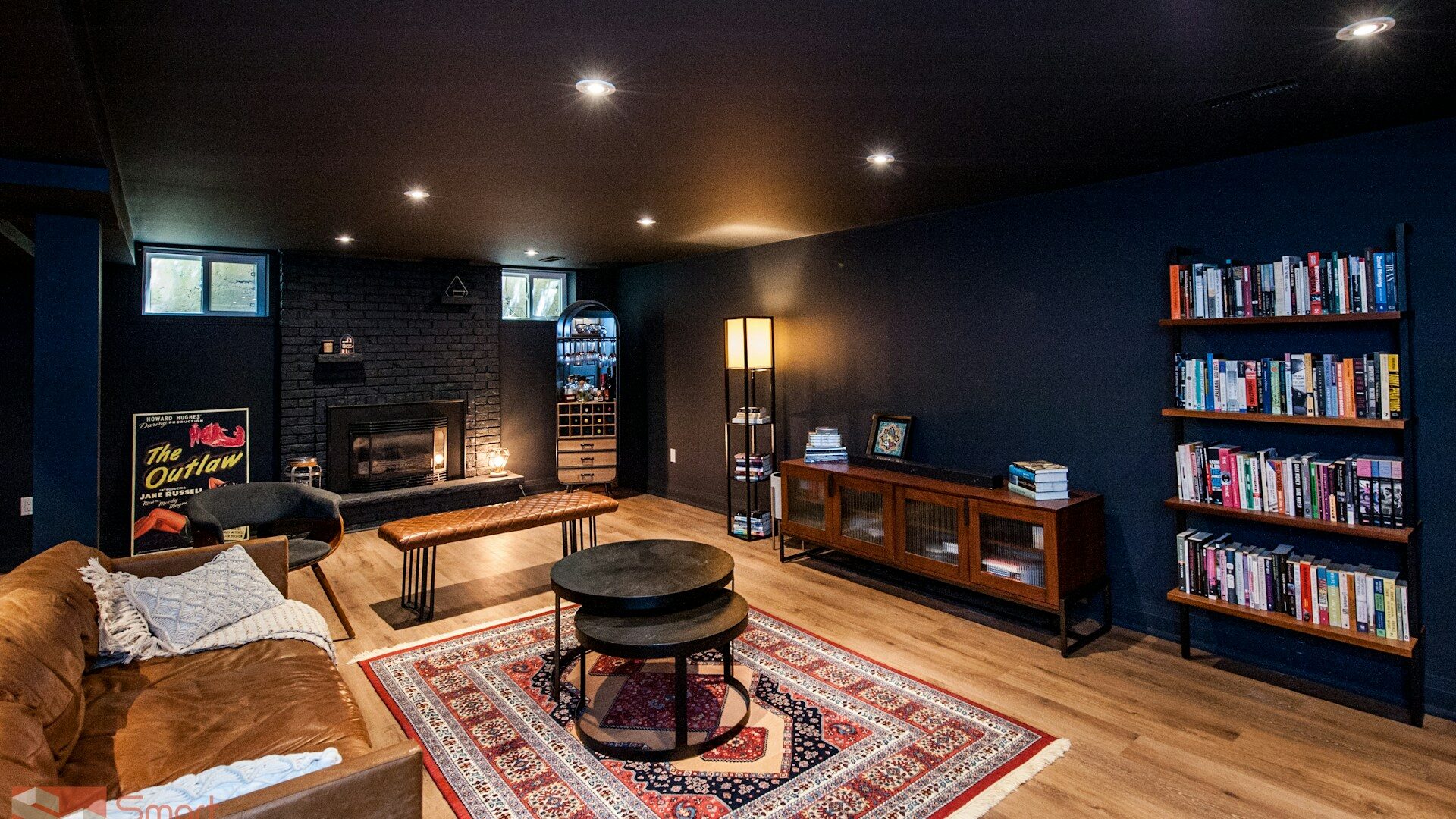
To build a basement wellness room without overspending, start by fixing any moisture problems, then add durable flooring, good ventilation and enough power, and furnish the space in stages, beginning with low-cost basics like a mat, a massage gun and warm lighting before larger items such as a sauna or cold plunge. Planning first and buying gradually keeps the project manageable.
Step 1: Check Moisture and Air
Basements can be damp. Look for water stains, musty smells and condensation. A dehumidifier, sealed walls or improved drainage may be needed before you add equipment. Ventilation matters even more if you plan a sauna or cold plunge; see ventilation basics for a home sauna.
Step 2: Plan the Layout
| Zone | Purpose | Starter Items |
|---|---|---|
| Floor zone | Stretching and mobility | Thick mat, foam roller |
| Relaxation zone | Massage and wind-down | Massage gun, comfortable chair |
| Heat zone | Sauna or sauna blanket | Sauna blanket to start |
| Cold zone | Cold plunge or tub | Later addition, near a drain |
Keep wet zones near a floor drain and away from electrical outlets.
Step 3: Flooring, Power and Light
- Flooring: water-resistant options like rubber tiles or vinyl plank suit wet areas.
- Power: check outlet locations and whether larger gear needs a dedicated circuit; read electrical basics before installing a sauna.
- Lighting: warm, dimmable lamps make a basement feel calm; see lighting ideas for a recovery room.
Step 4: Add Gear in Stages
- Start with a mat, foam roller and massage gun.
- Add heat with a sauna blanket or compact infrared sauna.
- Add cold with a cold plunge tub once ventilation and drainage are sorted.
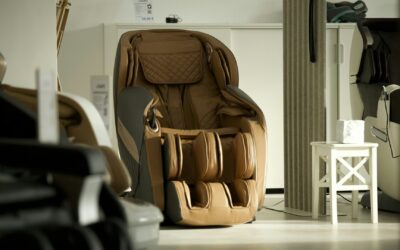
- Consider compression boots or a massage chair later.
Choosing what to add first? Compare in sauna vs cold plunge: which first.
Ways to Keep Costs Down
Do the planning and painting yourself, reuse furniture you already own, choose a sauna blanket before a full sauna, and use an ice-fed tub before buying a chiller. Hire professionals only for wiring, plumbing and moisture fixes, where mistakes are costly. Building in stages also lets you learn which tools you actually use.
Safety in a Basement Space
Basements bring a few specific safety points. Make sure stairs are well lit and have a handrail, since you may be walking down in a towel or with wet feet. Keep a smoke detector and, if there is a furnace or gas appliance nearby, a carbon monoxide detector in working order. Never run gas-powered equipment in the space, and keep a clear path to the exit. A non-slip mat beside any cold plunge or shower area prevents falls on wet floors.
Comfort Touches
A small speaker, a plant that tolerates low light, a towel rack and a shelf for water bottles make the room inviting. Keep clutter low so it feels like a place to unwind, not storage. More ideas are in our room designs section.
Final Thoughts
Fix moisture first, plan zones, sort flooring, power and light, then add gear in stages. A basement wellness room built step by step stays affordable and fits how you actually recover.
FAQs
Can I put a sauna in my basement?
Often, yes, with proper ventilation and electrical work.
What flooring is best for a wellness room?
Water-resistant options like rubber tiles or vinyl plank.
Do I need a dehumidifier?
In many basements, yes, especially with a cold plunge.







Write Your Review
No reviews yet. Be the first to share your experience!