

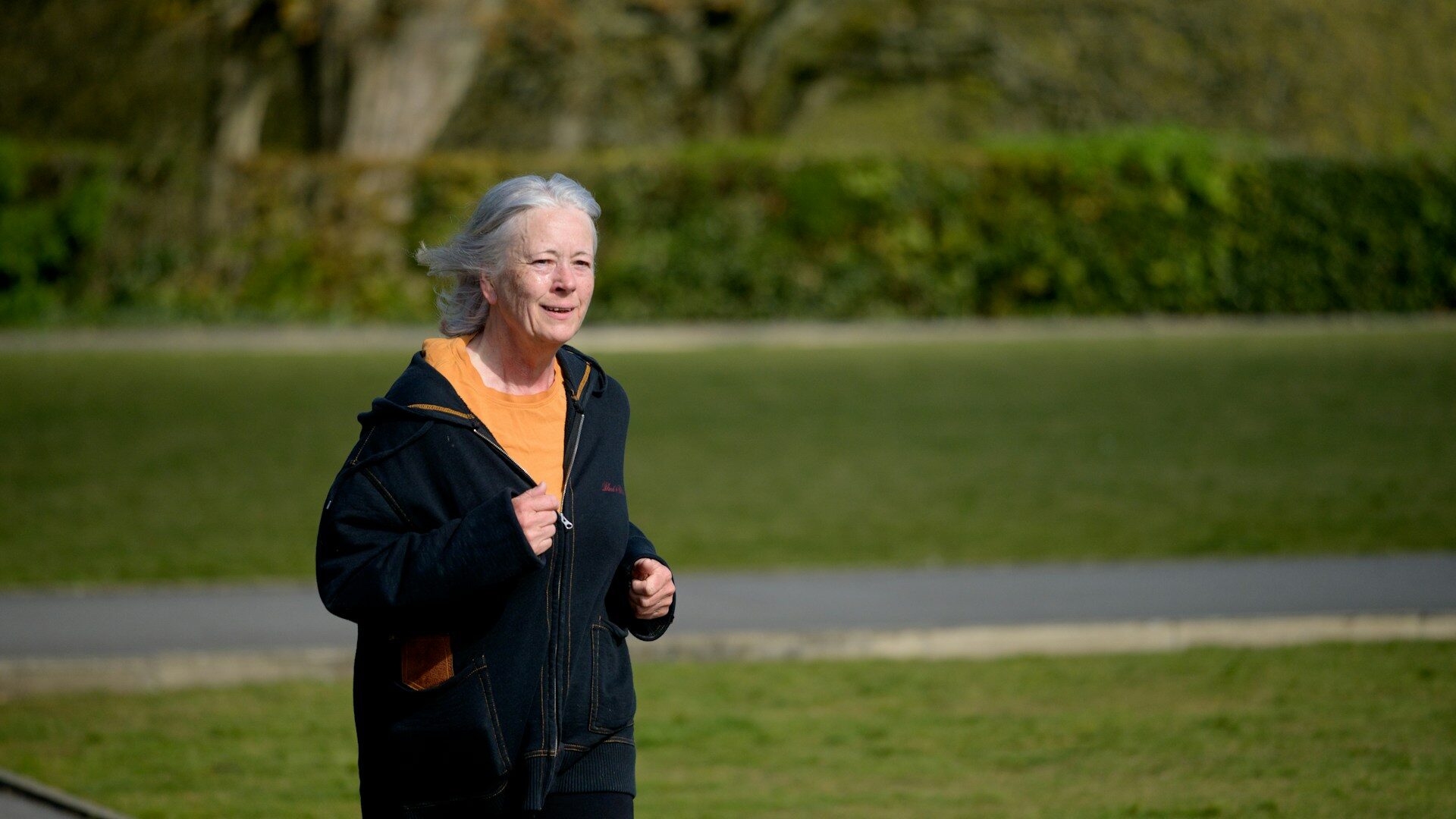
Recovery tends to slow with age because muscle repair becomes less efficient, hormone levels that support rebuilding gradually decline, sleep often gets lighter and connective tissues become less elastic. Many active adults notice they need an extra day between hard sessions after their 40s or 50s. The good news is that muscles still respond to training at any age, and habits like strength work, more protein, better sleep and smart rest days make a real difference.
What Changes Over the Years
| Change | What Happens | Effect on Recovery |
|---|---|---|
| Muscle repair signals | Muscles respond less strongly to protein and exercise | Slower rebuilding after hard sessions |
| Hormones | Gradual drop in growth hormone and testosterone | Less support for repair |
| Sleep quality | Lighter sleep, more waking | Less deep sleep for repair |
| Connective tissue | Tendons and fascia become stiffer | More stiffness, longer warm-ups |
| Circulation | Blood vessels less flexible | Slower delivery of nutrients |
| Muscle mass | Gradual loss without strength training | Less reserve for hard efforts |
Why Soreness Can Linger
Delayed onset muscle soreness tends to peak one to three days after a hard session. With age, that window can stretch a little longer, and stiffness after sitting may feel stronger. Our guide on what delayed onset muscle soreness really is and why muscles feel stiff in the morning explain the basics.
Habits That Help Most
- Keep strength training. Two or more sessions per week helps keep muscle and bone.
- Eat enough protein. Many older adults benefit from spreading protein across meals.
- Protect sleep. A steady schedule and a cool, dark room support deeper sleep. See how sleep affects muscle repair.
- Space hard sessions. Leave 48 to 72 hours between intense workouts for the same muscles.
- Warm up longer. Five to ten minutes of easy movement prepares stiffer tissue.
- Stay hydrated. Thirst signals weaken with age.
Recovery Tools Worth Considering
- Sauna sessions: many people find heat helps them feel looser and sleep better.
- Massage guns: gentle use can ease tight spots. Start on low speeds.
- Compression boots: may help legs feel lighter after long days.
- Light activity on rest days: walking and mobility keep blood moving.
A plan like our weekly recovery schedule for 4 training days can be adapted with an extra rest day.
Listen to Simple Signals
Resting heart rate, sleep quality, mood and how heavy your legs feel are useful guides. If several of these are off, choose an easier day. Our article on how to read resting heart rate trends shows how to spot patterns. Older adults with heart conditions or other health concerns should check with a doctor before starting heat or cold therapy.
Final Thoughts
Slower recovery is a normal part of aging, not a reason to stop training. Give yourself a bit more time between hard sessions, keep lifting, eat enough protein and protect your sleep. With those basics in place, many people stay strong and active for decades.
FAQs
At what age does recovery start to slow?
Many people notice it in their 40s or 50s. It varies with fitness and lifestyle.
How many rest days do older adults need?
Often 48 to 72 hours between hard sessions for the same muscles. Light activity in between is fine.
Can older adults still build muscle?
Yes. Strength training works at any age with steady progress.










Write Your Review
No reviews yet. Be the first to share your experience!