

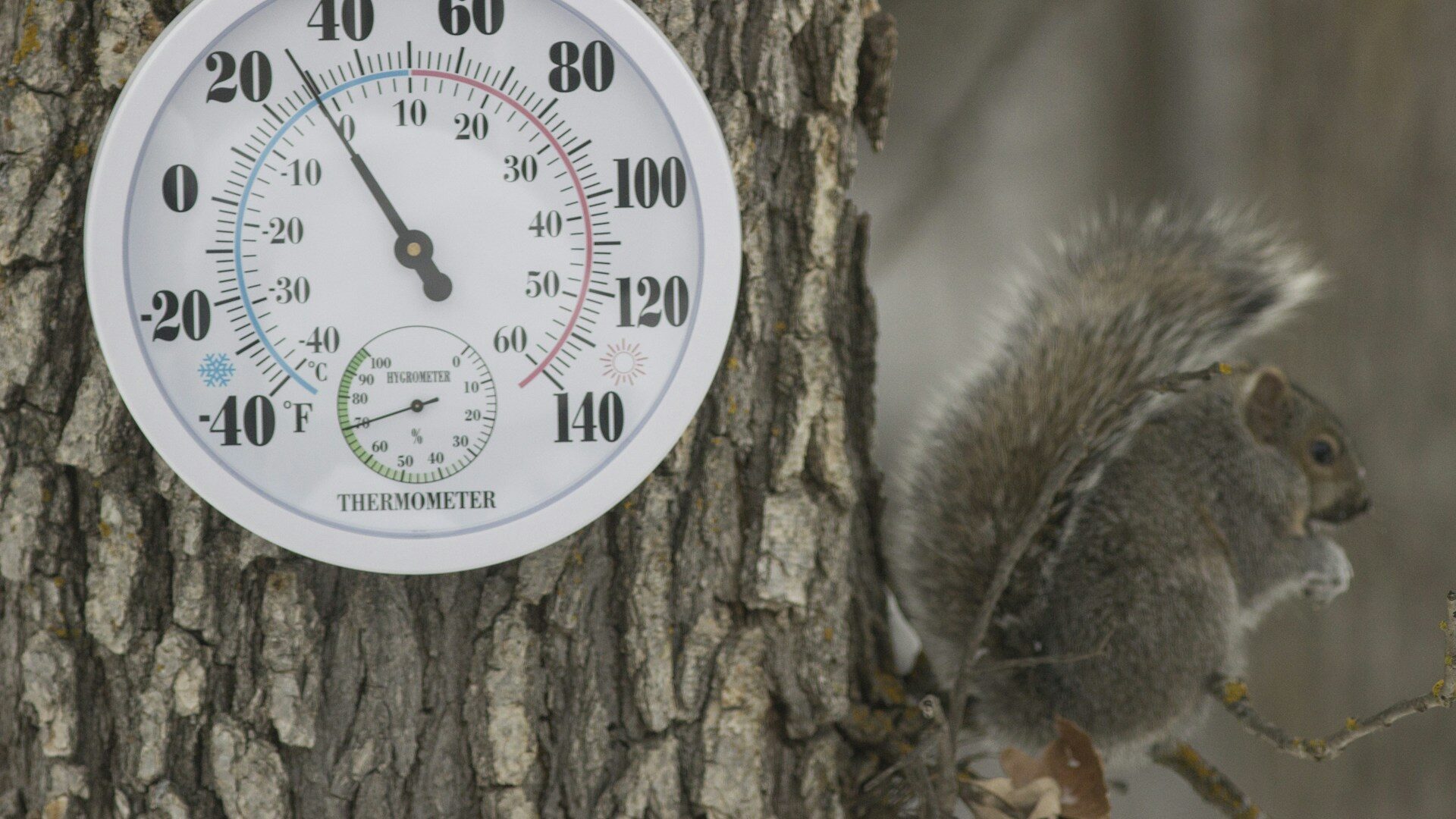
No, a colder plunge is not always better. Many studies on recovery and wellbeing use water around 50 to 59 degrees Fahrenheit, and that range already triggers a strong cold response. Colder water may feel more intense, but it also raises the risk of cold shock, numbness and cutting sessions short. For most people, a moderate temperature they can sit in calmly for a few minutes gives more consistent results than chasing the lowest number.
Where the Myth Comes From
Social media often shows people plunging in water near freezing and celebrating low numbers. It makes sense to assume colder means stronger effects. But the body’s cold response has a threshold. Once water is cold enough to cause a clear shock response, going much colder adds intensity faster than it adds benefit. Our article on how cold plunge therapy affects your nervous system explains what happens in those first minutes.
What Changes as Water Gets Colder
| Temperature | How It Feels | Typical Session | Notes |
|---|---|---|---|
| 60 to 65°F | Cool to cold | 5 to 15 minutes | Good starting point |
| 50 to 59°F | Clearly cold | 2 to 10 minutes | Common in research |
| 40 to 49°F | Very cold | 1 to 5 minutes | For experienced users |
| Below 40°F | Painfully cold | Short, carefully | Higher risk, little extra gain |
Why Moderate Cold Often Wins
- You can stay calm: slow breathing is easier, which many people find is the most rewarding part.
- You can stay longer: a few full minutes in moderate cold may cool the body more evenly than a frantic 30 seconds in ice water.
- You keep the habit: people stick with routines that feel manageable.
- Lower risk: less chance of numbness, panic or cold injury.
Risks of Going Too Cold
- Strong gasp reflex and rapid breathing.
- Sharp rise in heart rate and blood pressure.
- Numb hands and feet that make getting out harder.
- Faster drop in body temperature with longer stays.
People with heart conditions, high blood pressure, Raynaud’s or pregnancy should check with a doctor before cold plunging at any temperature.
How to Pick Your Temperature
Start in the 55 to 60 degree range, focus on slow breathing and stay 1 to 3 minutes. Over a few weeks, either stay a little longer or drop a couple of degrees, not both at once. Our guide on easing into cold plunging lays out a gentle plan, and the ice bath temperature calculator suggests ranges by experience. For soreness specifically, read how cold water immersion affects soreness.
A Practical Bonus
Moderate temperatures are also cheaper and easier to reach. A chiller works less, and ice users need fewer bags. See how much ice you need for a cold plunge to see how a few degrees changes the amount.
Final Thoughts
Cold enough is usually good enough. Water in the 50s Fahrenheit gives a strong cold response with less risk and more consistency. Choose a temperature you can handle with calm breathing, then build slowly over time.
FAQs
What is the best cold plunge temperature?
Many people do well between 50 and 59°F. Beginners can start a little warmer.
Is 39 degrees too cold for a plunge?
It is very cold and best kept brief. It suits experienced users only.
Should I go colder or stay longer?
Change one at a time. Many people prefer adding time first.







Write Your Review
No reviews yet. Be the first to share your experience!