

To read resting heart rate trends, measure it the same way at the same time each morning, then compare each day to your own 7-day average rather than to a chart. Small swings of a few beats are normal. A reading that sits 5 or more beats above your usual average for two or more days may mean you are under-recovered, short on sleep, dehydrated or getting sick. A slow drop over weeks of steady training often reflects improving fitness.
Measure It the Same Way Every Day
- Take it right after waking, before coffee or getting out of bed.
- Use the same method each time, either a wearable or a manual pulse count.
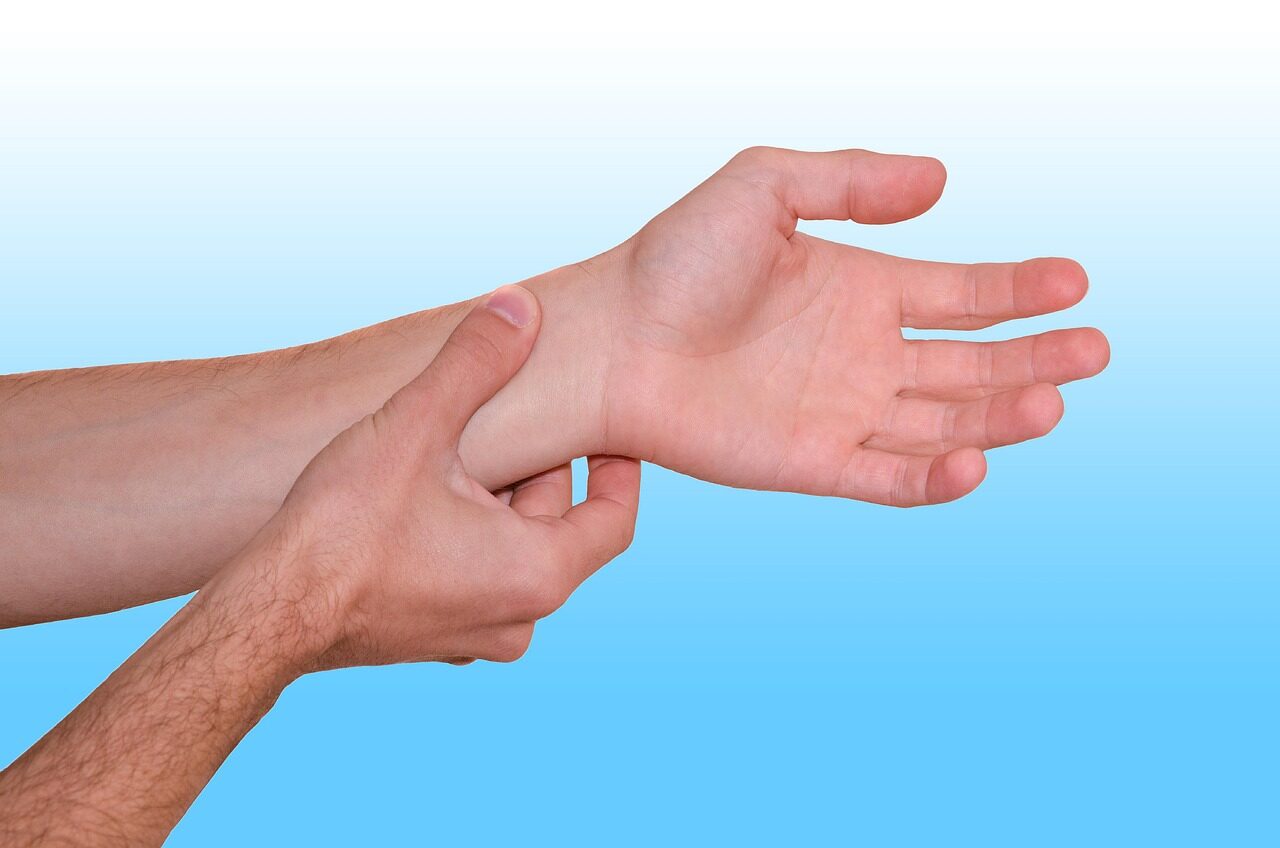
- For a manual check, count beats at your wrist or neck for 30 seconds and double it.
- Write it down or let your device log it automatically.
Consistency matters more than precision. A number taken after a shower or a stressful email is not comparable to one taken in bed.
Build a Simple Baseline
After one to two weeks, average your readings. That average is your personal baseline. Most healthy adults have a resting heart rate somewhere between about 50 and 90 beats per minute, and fit people are often lower, but your own baseline is what counts. Our recovery heart rate calculator helps you understand the related number after exercise.
What Changes Might Mean
| Pattern | Possible Reasons | Simple Response |
|---|---|---|
| 1 to 3 beats up for a day | Normal variation, late meal, warm room | Nothing, keep logging |
| 5 or more beats up for 2 days | Hard training, poor sleep, stress, alcohol | Lighter training, more sleep |
| Rising slowly over a week | Building fatigue, illness coming on | Plan a rest or recovery day |
| Slow drop over weeks | Improving aerobic fitness | Keep the routine going |
| Sudden large change with symptoms | Possible illness or medical issue | Talk to a doctor |
Common Things That Push It Up
- Short or broken sleep: one of the most common causes.
- Alcohol: often raises the next morning’s number noticeably.
- Dehydration: less blood volume means the heart beats faster.
- Heat: a hot bedroom or late sauna session can nudge it up.
- Stress and illness: the body works harder in both cases.
Our guide to how sleep affects muscle repair explains why sleep has such a strong effect.
Using Trends to Plan Training
A raised resting heart rate is a gentle hint, not a hard rule. If the number is up and you also feel flat, sore or unmotivated, it is a good day for walking, mobility or a sauna session instead of a hard workout. Pairing resting heart rate with heart rate recovery gives a fuller picture. See how to use heart rate recovery to plan rest days and what your recovery heart rate says about your fitness.
When to Talk to a Doctor
Trends are for everyday planning, not diagnosis. Contact a doctor if your resting heart rate is often above 100 or below 50 and you are not a trained athlete, or if changes come with chest discomfort, shortness of breath, fainting or a racing or irregular heartbeat.
Final Thoughts
Resting heart rate is one of the easiest recovery signals to track. Measure it the same way each morning, compare against your own average and look for patterns over days, not single numbers. Used that way, it can help you decide when to push and when to rest.
FAQs
What is a good resting heart rate?
Most adults fall between about 50 and 90 beats per minute. Your own trend matters more than the range.
How much does resting heart rate change day to day?
A few beats is normal. Five or more above average for days is worth noting.
Are smartwatches accurate for resting heart rate?
They are usually good for trends. Use the same device each day for consistency.









Write Your Review
No reviews yet. Be the first to share your experience!