

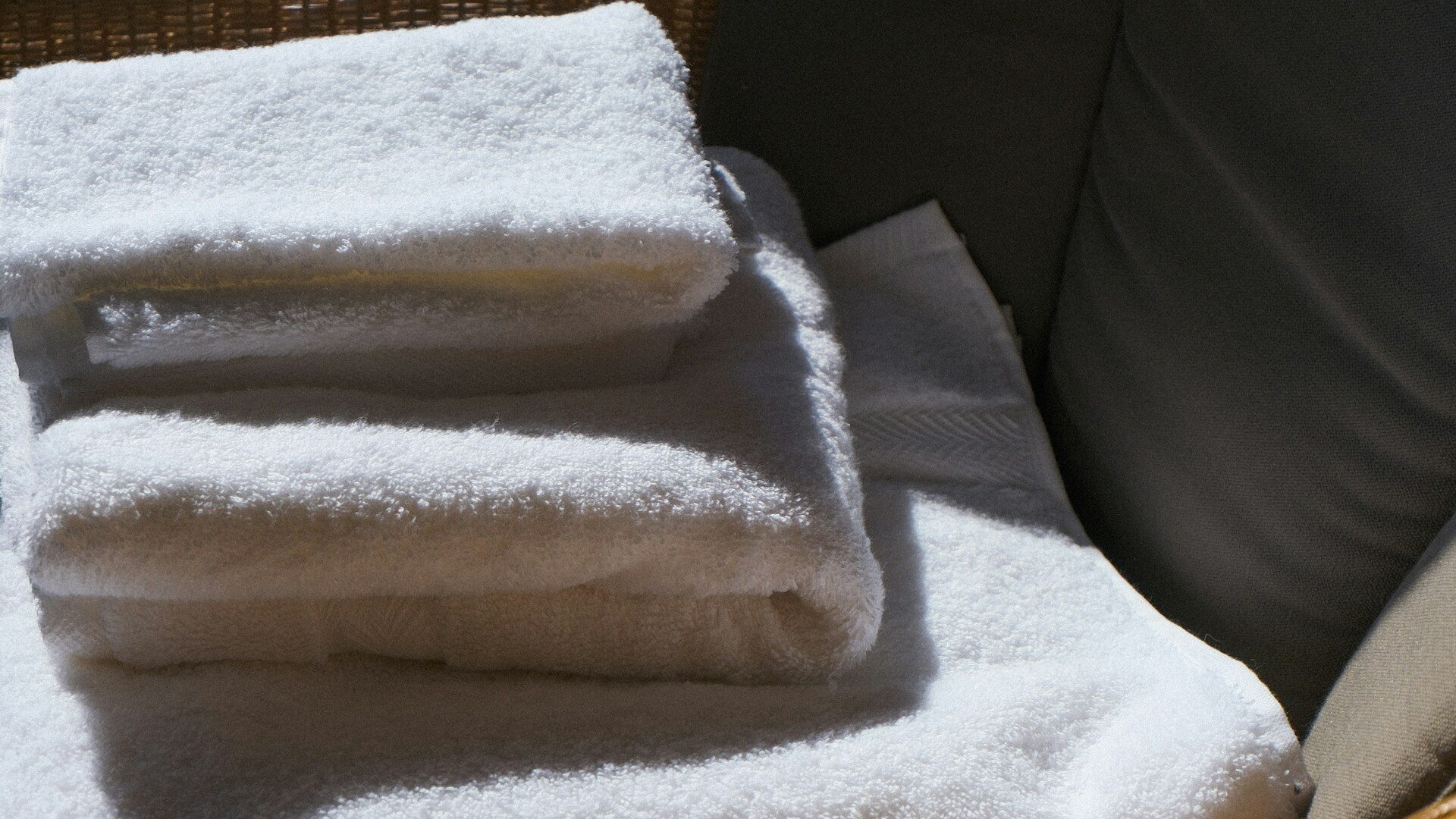
Heat therapy may help stiff morning joints by increasing blood flow, warming the fluid inside joints and making nearby muscles and connective tissue feel more flexible. Many people find that a warm shower, a heating pad or a short sauna session makes the first hour of the day easier. Heat does not cure joint conditions, and anyone with ongoing pain, swelling or a diagnosed joint problem should check with a doctor about the best plan.
Why Joints Feel Stiff After Sleep
When you lie still for hours, the fluid that lubricates your joints moves less and nearby tissues cool slightly. Muscles around the joint may also tighten. The result is that first few steps out of bed can feel rusty. For most people, movement and warmth loosen things up within minutes. Our article on why muscles feel stiff in the morning explains the muscle side in more detail.
What Warmth Does to Tissue
- More blood flow: heat widens small blood vessels, bringing more circulation to the area.
- More flexible tissue: tendons and ligaments tend to stretch more easily when warm.
- Calmer nerve signals: warmth may reduce how strongly some people feel stiffness or discomfort.
- Relaxed muscles: heat can ease muscle guarding around a joint.
Ways to Use Heat in the Morning
| Method | Typical Time | Best For |
|---|---|---|
| Warm shower | 5 to 10 minutes | Whole-body stiffness |
| Heating pad or wrap | 15 to 20 minutes | One joint, such as a knee or lower back |
| Warm water soak | 10 to 15 minutes | Hands and feet |
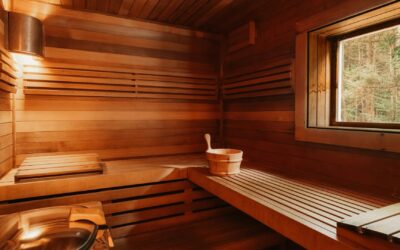
| Sauna session | 10 to 15 minutes | General looseness before a busy day |
| Sauna blanket | 15 to 30 minutes on low | Whole-body warmth at home |
Pair Heat with Gentle Movement
Heat works best when you follow it with easy motion. After warming up, try slow ankle circles, knee bends, shoulder rolls and gentle neck turns. Movement helps spread joint fluid and keeps the looseness going after the heat is gone. If you use a sauna, our guide on the best time of day to use a sauna and our tips on beginner sauna temperature and session length can help you plan a morning routine.
When to Choose Ice Instead
Heat is usually for stiffness, not fresh injuries. If a joint is suddenly swollen, red or hot after a twist or fall, cold is often the better first choice. Read whether ice is always better than heat for an injury to understand the difference.
Safety Tips
Use moderate warmth, never hot enough to burn. Place a cloth between skin and heating pads, and do not sleep on a heating pad. People with diabetes, poor circulation or reduced skin sensation should be extra careful and check with a doctor. If you have heart concerns or are pregnant, ask your doctor before using a sauna.
Final Thoughts
A few minutes of gentle heat followed by easy movement is a simple way to make mornings feel better. Pick the method that fits your routine, keep the temperature comfortable and talk to a professional if stiffness lasts more than an hour or keeps getting worse.
FAQs
Is heat or cold better for morning stiffness?
Heat is usually better for stiffness. Cold is more often used for new swelling.
How long should I use a heating pad?
About 15 to 20 minutes at a time. Use a medium setting with a cloth layer.
Can a sauna help stiff joints?
Many people find it helps them feel looser. Check with a doctor if you have heart concerns.








Write Your Review
No reviews yet. Be the first to share your experience!