

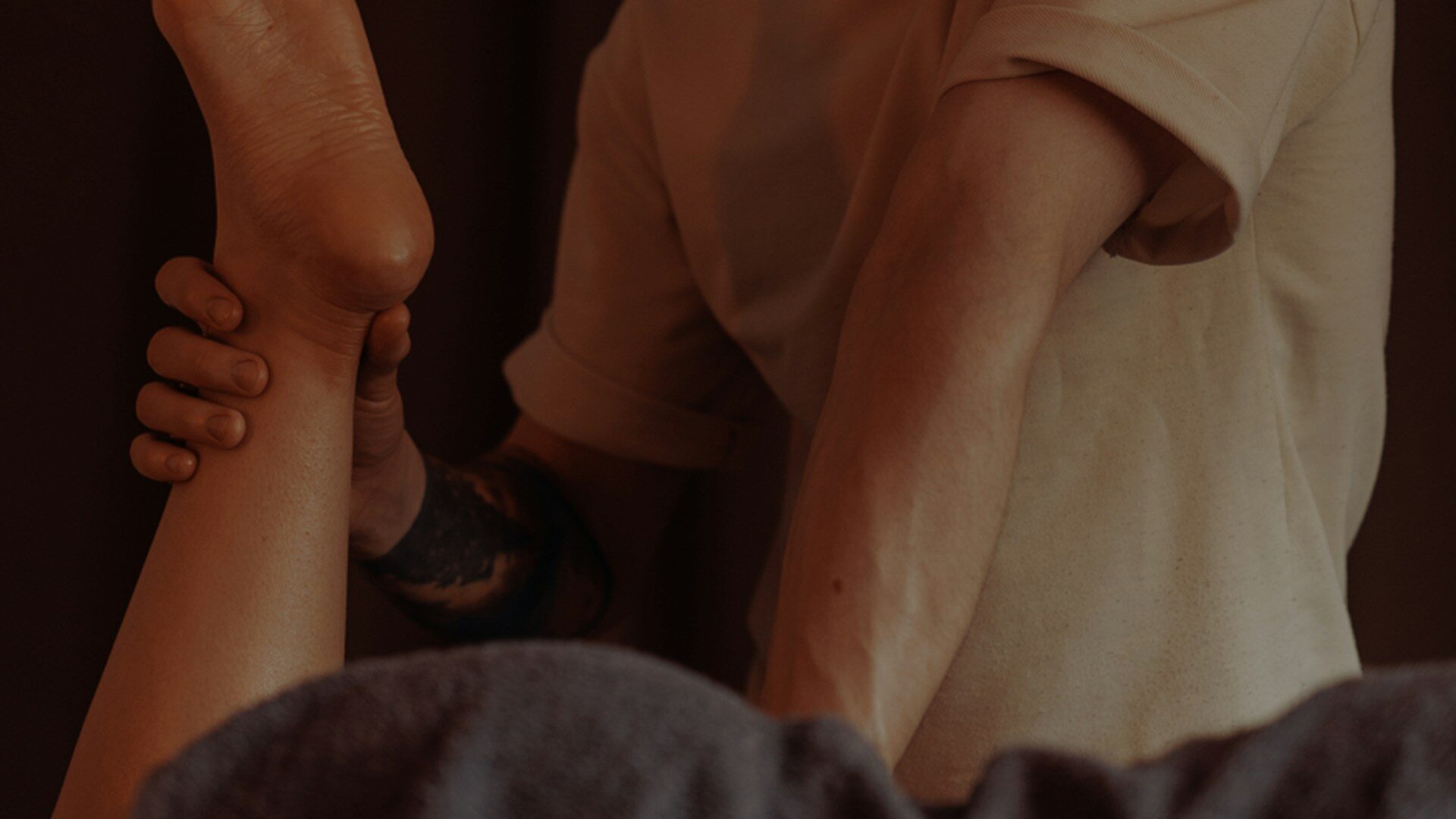
The lymphatic system clears extra fluid from your tissues and returns it to the bloodstream. Unlike blood, lymph has no central pump, so it relies on muscle contractions, breathing and body movement to flow. After exercise, gentle movement, deep breathing, elevation and, for some people, compression or massage can help this fluid move along, which may ease the puffy, heavy feeling in tired legs.
What the Lymphatic System Does
During exercise, blood flow rises and some fluid seeps from small blood vessels into the spaces around cells. Lymph vessels collect that fluid, pass it through lymph nodes and return it to circulation. The system also plays a role in immune defense. It is a quiet but constant part of recovery. Our guide on what happens to your muscles during recovery covers the bigger picture.
What Moves Lymph
| Driver | How It Helps | Easy Way to Use It |
|---|---|---|
| Muscle contractions | Squeeze lymph vessels forward | Easy walking or cycling after training |
| Breathing | Pressure changes in the chest pull lymph upward | Slow, deep belly breaths |
| Gravity | Helps fluid drain from the legs | Elevate legs for a few minutes |
| External pressure | Compression can push fluid along | Compression garments or boots |
Why Legs Feel Heavy After Exercise
Long runs, hikes and standing all day let fluid pool in the lower legs. Sitting still right after a hard session can make that heavy feeling last longer. A short cool-down walk and a few minutes with your legs raised are simple ways to help. Post-workout swelling is covered in why compression therapy helps with post-workout swelling.
Where Compression and Massage Fit
Compression boots and garments apply pressure that can help move fluid toward the heart, and many users report legs feeling lighter. Gentle massage can do something similar. Research on performance benefits is mixed, but comfort and perceived recovery often improve. Learn the basics in how to use compression boots after a workout, and browse compression boot guides.
Simple Habits That Support Lymph Flow
- Cool down with 5 to 10 minutes of easy movement.
- Do a few minutes of slow breathing after training.
- Stay hydrated through the day.
- Avoid sitting still for long stretches after hard sessions.
- Elevate your legs in the evening after long days on your feet.
When to Check With a Doctor
Swelling in one leg, swelling with pain, warmth or redness, or swelling that does not go down overnight can signal problems unrelated to exercise. In those cases, or if you have a history of lymphedema, heart, kidney or vein issues, talk to a doctor before using compression devices.
Final Thoughts
Your lymphatic system relies on movement, breathing and gravity to clear fluid after exercise. A cool-down, a few deep breaths, raised legs and optional compression all work with that natural system.
FAQs
Does exercise help lymphatic drainage?
Yes. Muscle contractions are one of the main drivers of lymph flow.
Do compression boots help lymph flow?
They can help move fluid, and many users feel lighter legs.
Why are my legs swollen after a long run?
Fluid often pools in the lower legs. Easy movement and elevation usually help.










Write Your Review
No reviews yet. Be the first to share your experience!