


No recovery tool can replace a good night of sleep. While you rest, your body runs many of the processes that repair muscle and restore energy after training. Short or broken sleep slows that work down. Understanding what happens overnight makes it easier to protect your sleep, even on busy weeks.
What Happens While You Sleep
Sleep moves through light, deep and REM stages several times a night. Deep sleep is especially important for physical recovery. During this stage, the body releases more growth hormone, blood flow to muscles increases and repair work is busy. REM sleep supports memory and learning, including new movement skills.
Sleep Stages and Recovery
| Stage | Main Role | Why It Matters for Training |
|---|---|---|
| Light sleep | Transition and maintenance | Makes up most of the night |
| Deep sleep | Physical repair, hormone release | Supports muscle recovery |
| REM sleep | Brain recovery, memory | Helps lock in new skills |
What Short Sleep Does
Studies of sleep restriction show that a few short nights can reduce strength and endurance, raise perceived effort and leave people feeling more sore. Some research suggests poor sleep also shifts hormones in a way that makes building muscle harder and holding on to fat easier. Mood and motivation often drop as well, which makes training feel like a chore.
How Much Sleep Active Adults May Need
Most adults need about seven to nine hours. People training hard often feel best toward the higher end. Naps of 20 to 30 minutes can help on days when nighttime sleep falls short, but they work best as a top-up, not a replacement.
Habits That Improve Recovery Sleep
- Keep a steady schedule, even on weekends.
- Cool, dark, quiet bedroom: many people sleep best around 65 degrees Fahrenheit.
- Limit caffeine after early afternoon.
- Finish hard workouts a few hours before bed if late training keeps you awake.
- Wind down without screens for 30 to 60 minutes.
- Eat enough protein through the day to supply repair work.
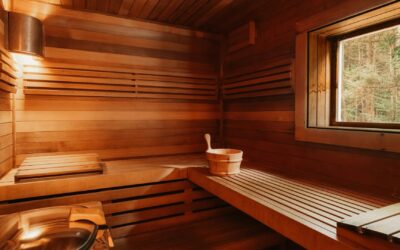
An evening sauna may help some people relax. See the connection between sauna use and better sleep.
Signs Your Sleep Is Holding Back Recovery
Waking unrefreshed, needing caffeine to function, soreness that lingers and workouts that feel harder than usual can all point to poor sleep. Tracking resting heart rate can help too. Our recovery heart rate calculator and guide on what your recovery heart rate says explain how. If you snore loudly or wake gasping, talk to a doctor.
Final Thoughts
Sleep and muscle repair go hand in hand. Deep sleep supports physical repair, REM sleep supports skill learning, and short nights can sap strength and slow recovery. Aim for seven to nine hours, keep a steady schedule and a cool, dark room, and you will get more from every workout. Explore our body basics guides for more.
FAQs
Do muscles grow while you sleep?
Much of the repair work happens during sleep. Deep sleep is especially important.
Can naps help muscle recovery?
Short naps can help top up rest. They work best alongside a full night of sleep.
Is eight hours of sleep enough for athletes?
Often yes, though some feel better with more. Listen to how you feel and perform.








Write Your Review
No reviews yet. Be the first to share your experience!