

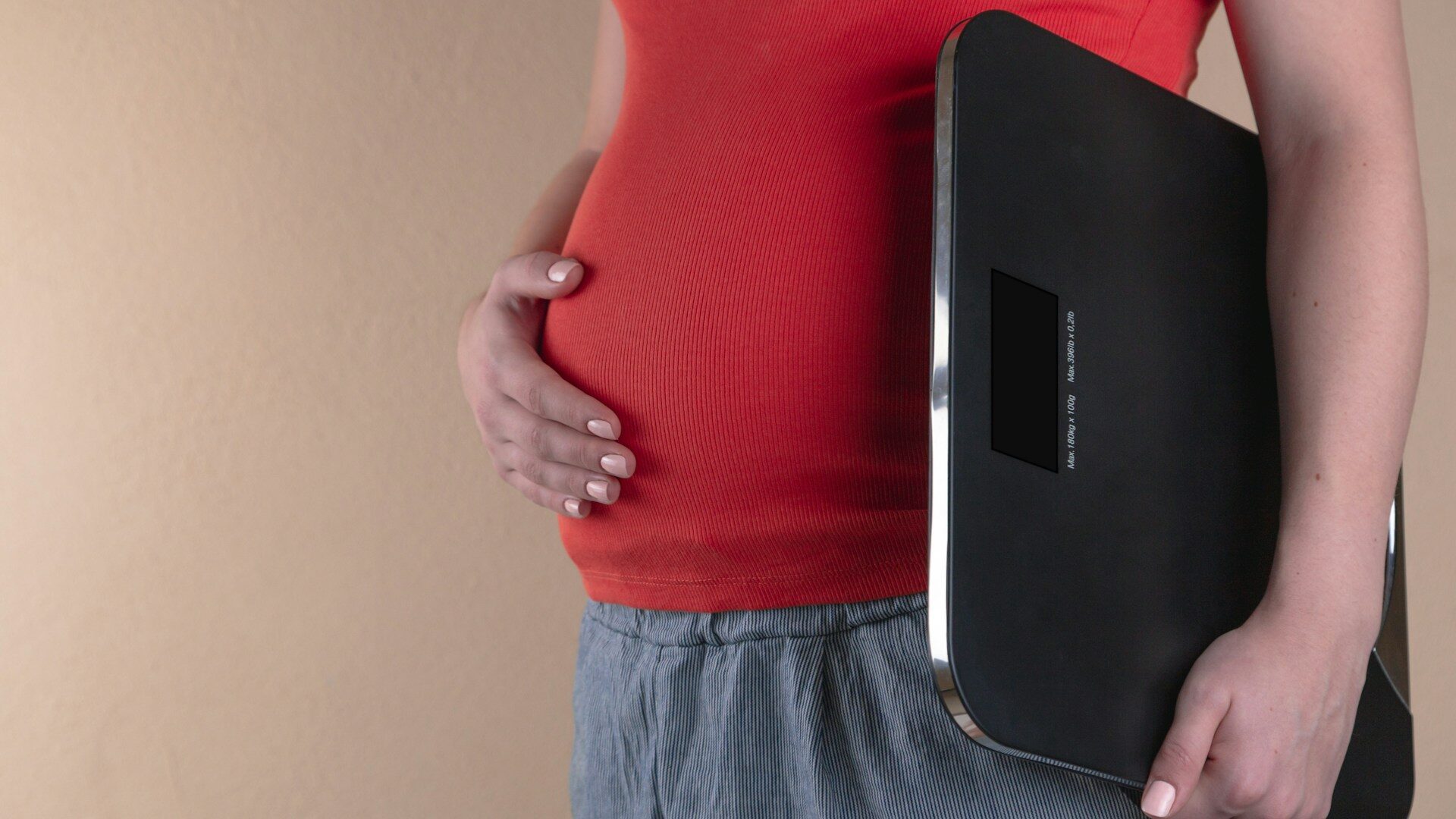
Compression boots do not help you lose body fat. They squeeze the legs in sequence to move fluid, which can reduce swelling and make legs feel lighter after long days or hard workouts. Any small drop on the scale or slimmer look after a session comes from fluid shifting, not fat loss, and it returns as you eat, drink and move normally.
What Compression Boots Actually Do
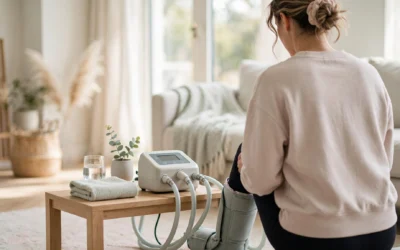
Compression boots inflate chambers from the feet up toward the hips, then release. This pattern pushes fluid back toward the heart and may help with the heavy, puffy feeling after long runs, travel or standing all day. Many users find sessions relaxing. Learn the basics in how to use compression boots after a workout.
Myth vs Reality
| Claim | Reality |
|---|---|
| Boots burn fat | They use almost no energy from your body |
| Boots slim the legs | Temporary, from reduced fluid |
| Boots remove toxins | The kidneys and liver handle waste, boots move fluid |
| Boots help legs feel lighter | Often true after long days or hard sessions |
| Boots speed recovery | Some users feel fresher; research on performance is mixed |
Why the Scale Might Change
Body weight moves up and down through the day with water, food and salt intake. Reducing leg swelling may shift a little fluid, and sweating during a long session in warm boots can too. These changes are short-lived. Fat loss comes from a sustained calorie gap through food choices and activity over weeks, not from passive devices.
Where Boots Fit in a Weight Loss Plan
Boots can still support an active lifestyle. If they help your legs feel ready for the next walk, run or workout, they may make it easier to stay consistent, and consistency is what matters for weight goals. Use them as a recovery tool, not a shortcut. For a broader look at recovery, read how the lymphatic system clears fluid after exercise.
Better Uses for Your Goals
If weight loss is the goal, the time spent in boots is better treated as recovery time that keeps you moving the next day. A brisk walk, a strength session or a bike ride burns far more energy than any passive device. Pairing those with steady eating habits and good sleep is what moves the scale over weeks. Boots can be the reward at the end of a long day, not the plan itself.
Using Compression Boots Wisely
- Start with low pressure and 20 to 30 minute sessions.
- Use them after long runs, travel or long days on your feet.
- Stay hydrated.
- Stop if you feel numbness, tingling or pain.
Who Should Avoid Them
People with a history of blood clots, peripheral artery disease, certain heart conditions, open wounds or infections in the legs should check with a doctor before using compression boots. Browse models in our compression boot guides, and see more myth checks in common myths.
Final Thoughts
Compression boots move fluid and can make legs feel lighter, but they do not burn fat. Use them to support recovery and consistency, and rely on food and activity habits for weight goals.
FAQs
Can compression boots reduce cellulite?
Any change is temporary and comes from fluid. They do not remove fat.
Why do my legs look slimmer after a session?
Less fluid in the tissue. It returns over the day.
How often can I use compression boots?
Many people use them a few times a week. Follow the maker’s guidance.







Write Your Review
No reviews yet. Be the first to share your experience!