

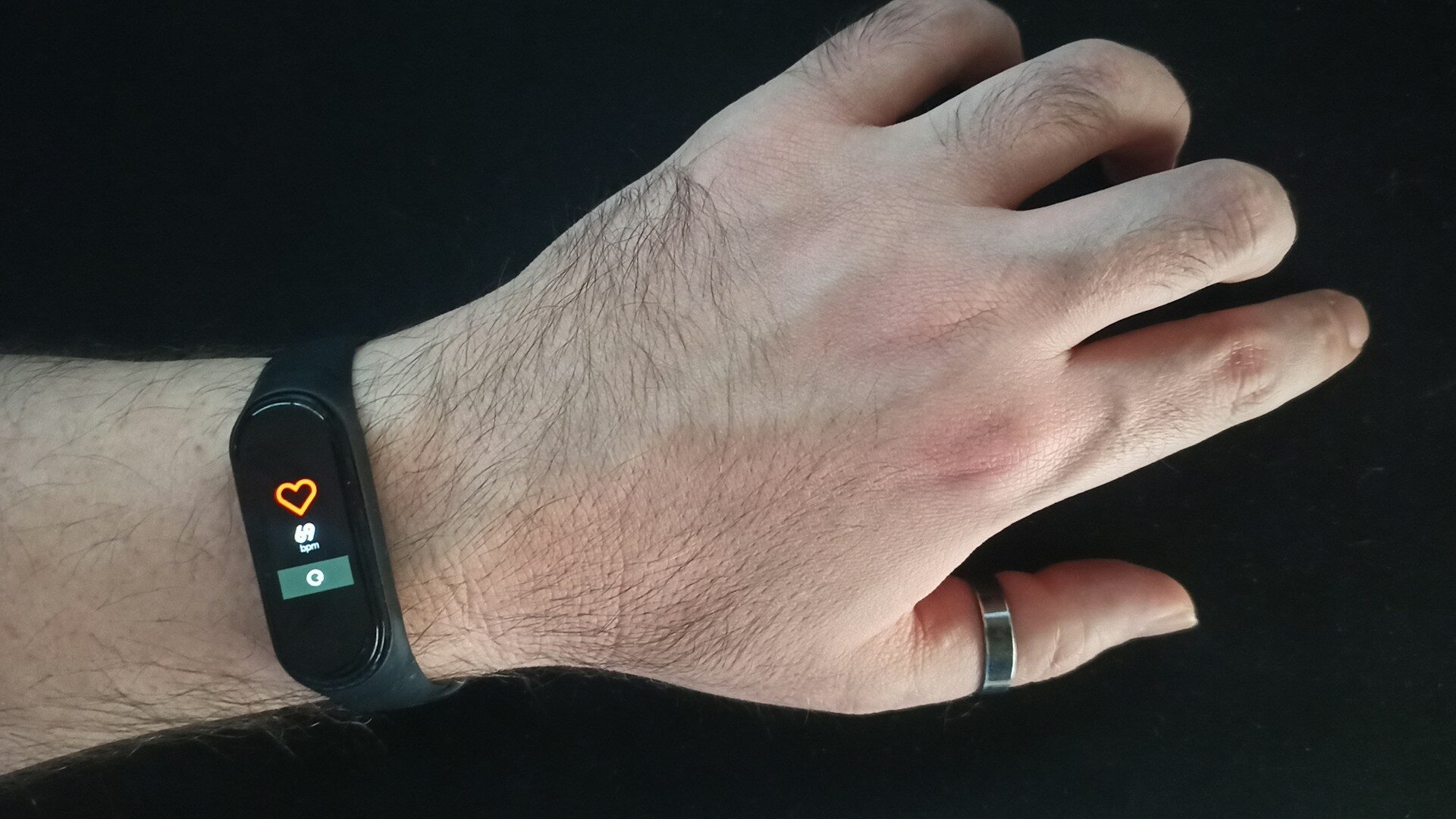
Heart rate recovery is how quickly your heart rate drops after you stop exercising. A fast drop usually means your heart and nervous system are bouncing back well. A slower drop than normal can be a sign you are tired, stressed or not fully recovered. Checking it regularly gives you a simple, free way to decide when to push and when to rest.
How to Measure Heart Rate Recovery
- Do a steady, hard effort for a few minutes, such as a brisk hill walk, a fast bike interval or a set of step-ups.
- Note your heart rate the moment you stop.
- Stand or sit still for one minute.
- Note your heart rate again.
- Subtract the second number from the first. That is your one-minute recovery.
A chest strap or smartwatch makes this easy. Our recovery heart rate calculator does the math and explains your result. Many watches also turn this data into a daily score, explained in this look at how readiness and recovery scores work.
What the Numbers Mean
| One-Minute Drop | General Meaning |
|---|---|
| Under 12 bpm | Slow recovery, worth discussing with a doctor if it is your usual |
| 12 to 20 bpm | Fair, typical for many adults |
| 20 to 30 bpm | Good |
| Over 30 bpm | Excellent, common in fit people |
These are rough guides. Your own trend matters more than comparing with anyone else. For background, see what your recovery heart rate says about your fitness.
Build Your Personal Baseline
Measure using the same effort, at about the same time of day, two or three times a week for two weeks. Write down each result. The average is your baseline. Use the same effort every time, because a harder effort or a hotter room changes the numbers.
Turning Numbers Into Rest Decisions
- Normal or better than baseline: train as planned.
- A few beats slower than baseline: keep training but make the session easier.
- Clearly slower for two or more checks in a row: take a rest or very light day.
Pair this with how you feel. Poor sleep, lingering soreness and low motivation alongside a slow recovery number are a strong signal to rest.
Other Signals to Combine
Morning resting heart rate is another useful check. A resting rate that is several beats higher than usual can mean incomplete recovery, illness or stress. Sleep quality also plays a big role. Read how sleep affects muscle repair for more.
Final Thoughts
Heart rate recovery is a simple, free number that reflects how well your body is bouncing back. Measure it the same way each time, build a two-week baseline and use slower than normal results as a cue to ease off or rest. Combined with sleep and how you feel, it takes much of the guesswork out of planning rest days. Explore more in our wellness calculators.
FAQs
What is a good heart rate recovery?
A drop of 20 beats or more in one minute is generally good. Your own trend matters most.
Can I check heart rate recovery without a watch?
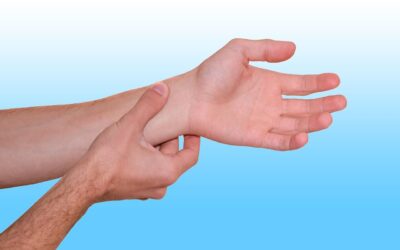
Yes. Count your pulse at the wrist for 15 seconds and multiply by four.
How often should I check it?
Two or three times a week works well. Use the same effort each time.








Write Your Review
No reviews yet. Be the first to share your experience!