


Body mass index, or BMI, is one of the most common health numbers out there. It takes seconds to calculate and shows up at most checkups. For active adults, though, it can tell a confusing story. Someone who lifts weights or trains hard may land in the overweight range while being lean and fit. Here is how to read BMI with the right context.
How BMI Is Calculated
BMI divides your weight by your height squared. In pounds and inches, the formula is weight times 703, divided by height in inches squared. You can skip the math with our BMI calculator.
| BMI Range | Standard Category |
|---|---|
| Below 18.5 | Underweight |
| 18.5 to 24.9 | Healthy weight |
| 25.0 to 29.9 | Overweight |
| 30.0 and above | Obesity |
What BMI Does Well
- It is free, fast and needs only a scale and a tape measure.
- It works reasonably well for tracking trends across large groups.
- For many less active adults, it gives a useful rough signal.
- Changes over time can flag gradual weight gain early.
What BMI Cannot See
BMI only knows total weight. It cannot tell muscle from fat, and muscle is denser than fat. That is why a muscular athlete can have a BMI of 27 with low body fat. BMI also ignores where fat sits on the body, bone structure, age, sex differences and ethnic background, all of which affect health risk.
Why Active Adults Often Get Misread
Strength training adds muscle, which adds weight. If you lift regularly, your BMI may rise even as your waist shrinks and your fitness improves. The opposite can happen too: an older adult can lose muscle and gain fat while BMI stays the same. In both cases, the number alone misses what is happening.
Better Checks to Pair With BMI
- Waist measurement: measure at the belly button. Rising waist size often matters more than weight.
- Waist-to-height ratio: keeping your waist under half your height is a simple target many experts use.
- How clothes fit and how you feel during daily activity.
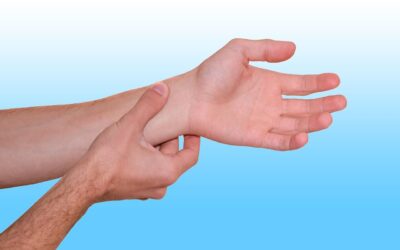
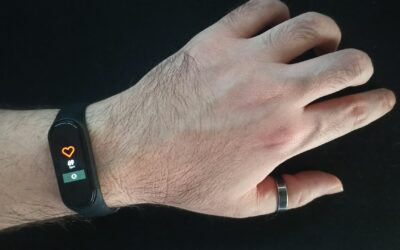
- Fitness markers: resting heart rate and how quickly it drops after exercise. Try our recovery heart rate calculator.
Using BMI Alongside Ideal Weight
Ideal weight formulas also use height to estimate a target, and they share some of the same limits. They can still be a helpful reference point. Our ideal weight calculator shows several common formulas side by side so you can see the range rather than one exact number.
Final Thoughts
BMI is a quick screening number, not a verdict. For active adults, it may overstate risk because it cannot tell muscle from fat. Use it as one data point, then add your waist measurement, fitness markers and how you feel. If you have questions about your weight or health risk, a doctor can give you a fuller picture.
FAQs
Is BMI accurate for people who lift weights?
Often not. Extra muscle raises BMI, so lifters may be labeled overweight while having low body fat.
What is a better measure than BMI?
Waist-to-height ratio is a simple, useful partner. Body fat estimates and fitness markers add more context.
Should I ignore my BMI if I am active?
No, just read it in context. Track it over time with waist size and other checks.








Write Your Review
No reviews yet. Be the first to share your experience!