

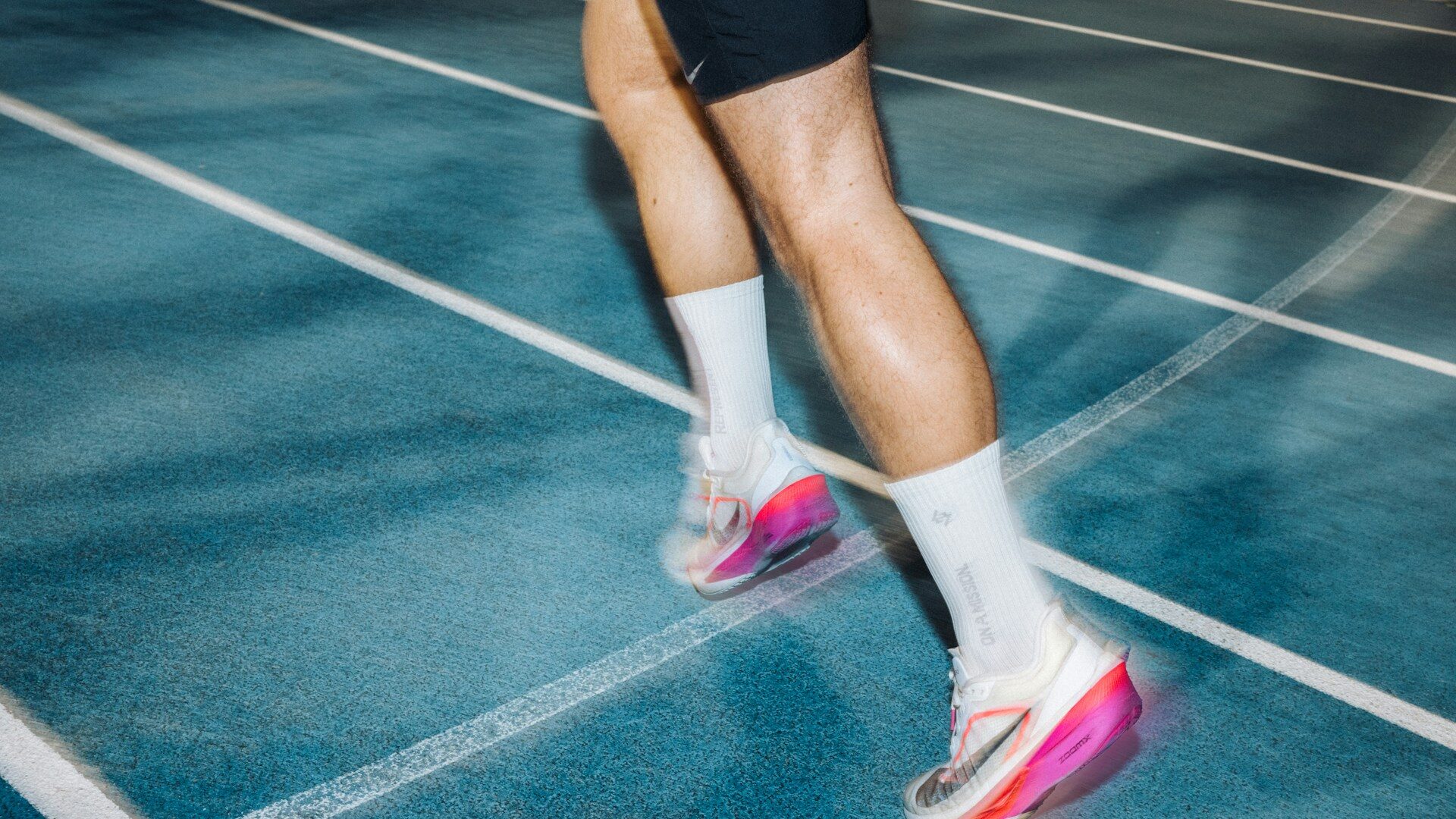
After a long run, a hard leg day or hours on your feet, your legs can feel heavy and a little puffy. Compression therapy, from simple sleeves to air-powered boots, is a popular way to help them feel lighter. Here is what is going on inside your legs and how compression may help.
Why Legs Swell After Exercise
Exercise increases blood flow to working muscles. Some fluid moves out of blood vessels into the spaces between cells. Small amounts of muscle stress also bring in repair cells and fluid. Usually your veins and lymphatic system carry this extra fluid away over the next hours. Gravity, long sitting and fatigue can slow that process, which is why swelling often shows up in the lower legs.
How Compression May Help
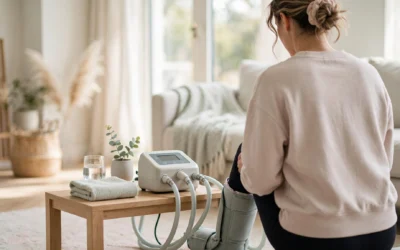
Compression applies outside pressure to the legs. That pressure may help push fluid back into vessels and support the flow toward the heart. Air compression boots go further by inflating in waves from the feet upward, which some people describe as a deep, rhythmic squeeze.
Types of Compression Compared
| Type | How It Works | Best For |
|---|---|---|
| Compression socks and sleeves | Steady, graduated pressure | Long days, travel, light recovery |
| Air compression boots | Inflating chambers in waves | Post-workout sessions at home |
| Wraps and bandages | Adjustable pressure | Under guidance for injuries |
What the Research Shows
Studies on compression garments and boots show mixed but generally positive results for perceived soreness and leg heaviness. Some studies find modest improvements in how recovered people feel, while effects on performance the next day are smaller and less consistent. Many athletes keep using compression simply because it feels good and fits easily into a routine. That comfort has value, even if the science is still developing.
How to Use Compression After a Workout
- Cool down first with easy movement.
- Use boots for about 20 to 30 minutes at low to medium pressure.
- Sit with legs straight and slightly raised.
- Wear sleeves or socks for a few hours after long runs or flights.
For a full routine, see how to use compression boots the right way.
Other Habits That Reduce Swelling
Compression works best alongside simple habits: elevating your legs, staying hydrated, gentle walking and good sleep. Some people also like short cold exposure. Our guide on how blood flow changes in the cold explains why.
When Swelling Is a Warning Sign
Swelling in only one leg, along with pain, warmth or redness, can signal a blood clot and needs prompt medical care. People with heart failure, circulation problems or a clot history should ask a doctor before using compression boots.
Final Thoughts
Compression therapy may help post-workout swelling by applying pressure that supports fluid moving back toward the heart. Research shows modest benefits for how legs feel, and many people find it relaxing. Use it after a cool-down, keep pressure comfortable and pair it with rest, water and movement. Explore our compression boots category for home options.
FAQs
Do compression boots reduce swelling?
Many users report lighter, less puffy legs. Research shows modest benefits, mostly on how legs feel.
Should I wear compression socks after a run?
They can help legs feel fresher, especially after long runs or travel. Choose a snug but comfortable fit.
Is it normal for legs to swell after exercise?
Mild, even swelling that fades within a day is common. One-sided swelling with pain needs medical attention.








Write Your Review
No reviews yet. Be the first to share your experience!