


PEMF mats may do something, but the effects are usually modest and vary a lot between people. Research on pulsed electromagnetic field therapy suggests possible benefits for some types of pain, bone healing and relaxation, and many users report better sleep or less stiffness. However, much of the strongest research uses clinical devices, not home mats, and studies differ in settings and quality. A PEMF mat is best seen as an optional comfort tool, not a cure.
What PEMF Is
PEMF stands for pulsed electromagnetic field. A mat contains coils that create weak, changing magnetic fields when switched on. These fields pass through the body without heat or sensation for most people. Researchers believe they may influence how cells communicate and how tissues manage inflammation. Our article on how PEMF therapy is thought to reduce inflammation covers the proposed mechanism.
Why People Are Skeptical
- Bold marketing: some sellers make claims far beyond the research.
- No sensation: it is hard to believe something works when you feel nothing.
- Mixed studies: different devices, frequencies and session lengths make results hard to compare.
- Placebo effect: relaxing on a mat for 20 minutes can feel good on its own.
What Research Suggests
| Use | What Studies Suggest | Confidence |
|---|---|---|
| Bone healing | Clinical PEMF devices are used for some slow-healing fractures | Stronger, clinical setting |
| Joint pain, such as knee osteoarthritis | Some trials show modest pain relief | Moderate |
| Low back pain | Small studies show possible relief | Limited |
| Sleep and relaxation | User reports are positive, research is limited | Limited |
| Athletic recovery | Early and mixed findings | Limited |
Why Results Vary
Home mats differ in field strength, frequency and coil layout, and many do not share detailed specs. People also differ in what they are hoping to change. Someone with chronic joint stiffness may notice more than a healthy athlete with mild soreness. Consistency matters too, since most studies use daily sessions for several weeks. Our beginner PEMF mat routine for the first month suggests a steady plan.
How to Set Realistic Expectations
- Pick one clear goal, such as morning stiffness or easier wind-down at night.
- Use the mat daily for at least four weeks.
- Rate your goal from 1 to 10 each week.
- Keep other habits steady so you can tell what changed.
- Decide after a month whether it is worth keeping in your routine.
Who Should Avoid PEMF Mats
People with pacemakers, implanted electronic devices or insulin pumps should not use PEMF without a doctor’s approval. Pregnant people and those with epilepsy should also check first. If you are shopping, read how to choose a PEMF mat and our PEMF mats guide.
What a Typical PEMF Mat Session Looks Like
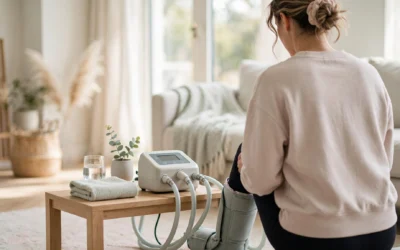
Many people are unsure what to expect the first time they use a PEMF mat. In practice, a session is simple and quiet. You lie on the mat, choose a program and relax. Here is how a common routine works.
- Place the mat on a bed, couch or floor, away from phones and other electronics.
- Lie down fully clothed. There is no need to remove clothing.
- Pick a low intensity and a program, often labeled for relaxation, sleep or recovery.
- Set a timer for 10 to 30 minutes, depending on the maker’s guidance.
- Breathe slowly, read or simply rest during the session.
- Write down how you feel afterward and again the next morning.
Most people feel nothing at all during a session. A few report mild warmth, tingling or a relaxed, heavy feeling. Start with lower settings and shorter sessions, then increase only if you feel comfortable.
Questions to Ask Before Buying a PEMF Mat
Because PEMF mats vary so much, asking the right questions helps you avoid paying for bold promises. Use this checklist when comparing options.
| Question | Why It Matters |
|---|---|
| Does the seller list frequency and intensity ranges? | Clear specs suggest a more transparent brand |
| What size is the mat? | Full-body mats cover more area, smaller pads target one spot |
| Are there preset programs? | Presets make daily use easier for beginners |
| How long is the return window? | A trial period lets you judge it over several weeks |
| What does the warranty cover? | Coils and controllers can fail, so coverage matters |
| Are health claims realistic? | Claims to cure diseases are a red flag |
A long return window is especially useful. Since effects build over several weeks, a 30-day or longer trial gives you time to decide whether the mat is worth keeping.
PEMF Compared With Other Recovery Tools
It helps to see where PEMF sits among other home recovery options. Some tools have stronger research behind them, while others mainly offer comfort and relaxation.
- Sauna: broader research on relaxation, sleep and heart health, but needs space and a bigger budget.
- Massage gun: quick relief for tight muscles, with noticeable sensation during use.
- Heating pad: simple, cheap and helpful for stiffness and cramps.
- Red light therapy: growing research for skin and some recovery uses, with mixed results elsewhere.
- PEMF mat: passive and quiet, with modest and varied results.
If your budget is limited and your main goal is muscle soreness or stiffness, a heating pad or massage gun may give more noticeable results first. A PEMF mat makes more sense for people who enjoy a quiet daily ritual and want to explore a newer option.
How to Tell If It Is Working for You
The honest way to judge a PEMF mat is to track your goal before and during use. Write down your baseline for a week, such as morning stiffness on a 1 to 10 scale or how long it takes to fall asleep. Then use the mat daily for four weeks while keeping your other habits the same. If your scores improve in a clear, steady way, the mat may be helping. If nothing changes after a month of daily use, it is reasonable to return it or stop using it.
The Bottom Line on Cost and Value
PEMF mats range from fairly affordable pads to very expensive full-body systems. A higher price does not guarantee better results, since research does not clearly show that the most expensive mats work better than mid-range ones. Before you buy, decide what you can comfortably spend on a tool that may offer modest benefits. If the price would cause stress, start with cheaper options that have clearer evidence, like regular walks, a heating pad or a good sleep routine. If you have room in your budget and enjoy the idea of a calm daily session, a mid-range mat with a clear return policy is a sensible way to explore PEMF without a big risk. Keep the receipt and packaging until you have used the mat for a few weeks, so returning it is easy if it does not help.
Final Thoughts
PEMF mats are not a miracle and not a scam. They may offer modest help for some kinds of pain and stiffness and a relaxing ritual for others. Go in with clear goals, give it a few consistent weeks and judge by how you actually feel.
FAQs
Is PEMF therapy proven?
Partly. Clinical uses like bone healing have support, while home mats have less research.
How long until a PEMF mat works?
Many people try it daily for four or more weeks. Effects are usually gradual.
Can you feel PEMF working?
Most people feel nothing during sessions. Some notice warmth or tingling.
Can I use a PEMF mat every day?
Most makers suggest daily sessions are fine. Follow the session length and intensity guidance that comes with your mat.
Is it safe to sleep on a PEMF mat?
Only if the maker says the mat is designed for it. Many mats use timed sessions instead of running all night.








Write Your Review
No reviews yet. Be the first to share your experience!