


The garage is often the easiest place in a house to carve out room for recovery gear. It has space, concrete floors and usually power. The challenge is weather. Garages can be freezing in winter and sweltering in summer, and both extremes make recovery sessions less pleasant and can shorten the life of your equipment.
Start With Climate Control
- Insulate the garage door: simple kits cut temperature swings noticeably.
- Seal gaps: weatherstripping around doors keeps drafts and dust out.
- Add a dehumidifier: protects metal parts and electronics from moisture.
- Use a fan or small heater for comfort during sessions.
Recovery tools like compression boots and massage guns have batteries and electronics that prefer moderate temperatures. Store small devices indoors during extreme weather.
Plan Your Zones
| Zone | What Goes There | Garage Tip |
|---|---|---|
| Cold zone | Cold plunge tub | Near the door for easy draining and outside access |
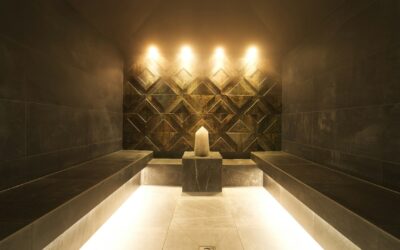
| Heat zone | Small sauna or sauna blanket | Away from cars and fuel, with good ventilation |
| Floor zone | Mats, foam roller, stretching space | On rubber tiles over concrete |
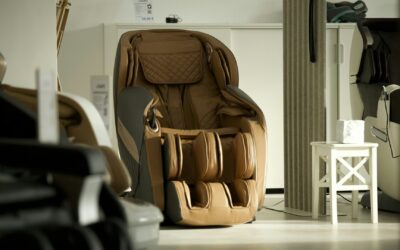
| Seated zone | Chair for compression boots | Near an outlet |
Flooring Over Concrete
Bare concrete is cold and hard. Interlocking rubber or foam tiles add warmth and cushioning. Under a cold plunge, choose a surface that handles water and weight. Our guide on where to put a cold plunge tub at home covers placement and support.
Power and Safety
Many garages have only one or two outlets. Saunas and plunge chillers may need dedicated circuits, so plan with an electrician. Use GFCI protection near water. Keep recovery gear separate from cars, fuel, lawn equipment and chemicals. Never run a heater near gasoline or paint storage.
Seasonal Adjustments
- Winter: a cold plunge may need less chilling, but protect it from freezing. Warm up the space before sauna sessions.
- Summer: a chiller works harder, so keep the tub covered and shaded. Run a fan during heat sessions.
- Spring and fall: check seals, clean filters and inspect cords.
For contrast therapy ideas in this setup, see our simple contrast therapy routine.
Make It Feel Like a Retreat
Garages can feel cold and cluttered. A divider curtain or shelving unit can visually separate the recovery area from storage. Warm lighting, a rug, a few hooks for towels and a small speaker help the space feel calm instead of utilitarian.
Final Thoughts
A garage recovery setup works year round when you control the climate, plan clear zones, protect concrete floors and handle power safely. Adjust for each season and separate the space from car and storage clutter. Done well, it can become one of the most used rooms in your home. Find more ideas in our room design guides.
FAQs
Can I put a sauna in my garage?
Often yes, with proper power, ventilation and distance from fuel. Check local codes.
Will a cold plunge freeze in a garage?
It can in very cold climates. Use a cover and a chiller rated for low temperatures.
What flooring is best for a garage recovery area?
Rubber or foam tiles over concrete. They add warmth, grip and cushioning.








Write Your Review
No reviews yet. Be the first to share your experience!