

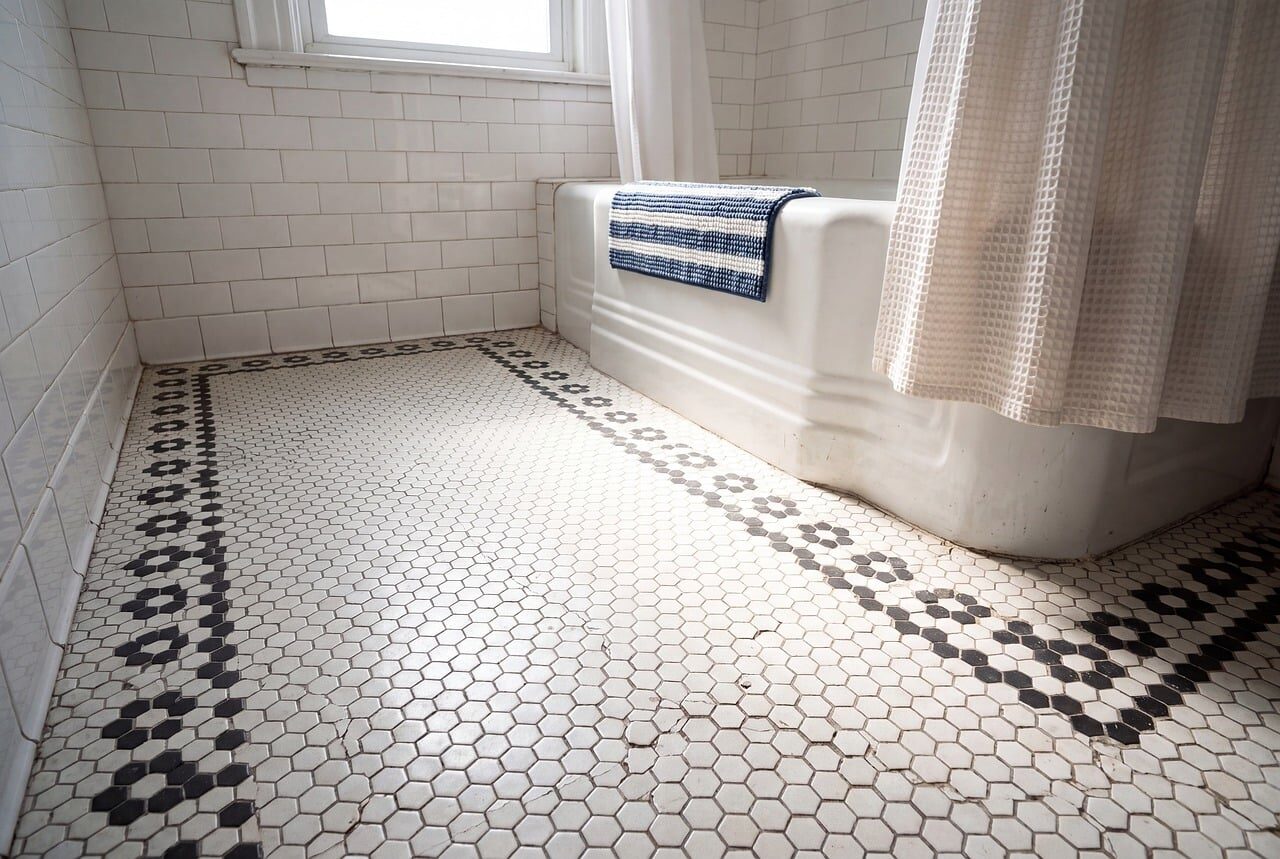
A cold plunge tub filled with water can weigh well over a thousand pounds, and water will splash out every time you get in or out. That makes the flooring underneath more important than most people expect. The right surface handles weight, resists water, stays grippy and drains well.
What the Floor Has to Handle
- Weight: water is about 8.3 pounds per gallon, so a 100-gallon tub holds roughly 830 pounds of water alone.
- Water: splashes, drips from your body and the occasional full drain.
- Cold: condensation can form under and around the tub.
- Bare feet: wet surfaces need grip.
Flooring Options Compared
| Surface | Indoors or Outdoors | Pros | Cons |
|---|---|---|---|
| Concrete slab or pad | Both | Very strong, easy to slope for drainage | Cold and hard underfoot |
| Rubber tiles or mats | Both | Grippy, cushioned, protects the floor | Can trap water underneath if not lifted to dry |
| Porcelain or stone tile | Indoors | Waterproof, easy to clean | Slippery when wet unless textured |
| Composite decking | Outdoors | Looks good, drains between boards | Needs strong framing for the weight |
| Pavers on gravel | Outdoors | Drains well, affordable | Must be compacted and level |
What to Avoid
- Carpet, which soaks up water and grows mildew.
- Laminate and engineered wood, which swell when wet.
- Soft ground or grass, which can sink unevenly.
- Smooth, glossy tile without a grip texture.
Indoor Tips
Ground floors, basements and garages are the easiest places for a plunge. On upper floors, check with a contractor that the floor can handle the load. Put a waterproof tray or a heavy rubber mat under the tub, and keep a towel or bath mat at the entry point. Our guide on where to put a cold plunge tub at home covers room choices.
Outdoor Tips
A level concrete pad or well-compacted pavers make the best outdoor base. Slope the area slightly away from your house so water drains away from the foundation. Add a non-slip path between the plunge and any sauna or door. For full yard layouts, see how to design a backyard sauna and cold plunge area.
Protecting the Floor Over Time
- Lift and dry rubber mats every few weeks so water does not sit underneath.
- Wipe up splashes after each session.
- Check the tub stays level as seasons change.
- Plan where drained water will go before you empty the tub.
Size affects weight a lot, so read how to choose the right size cold plunge tub before buying.
Final Thoughts
The best flooring under a cold plunge is strong, water-resistant, grippy and easy to drain. Concrete and rubber mats work almost anywhere, textured tile suits indoor bathrooms, and pavers or sturdy decking suit backyards. Avoid carpet and wood products that swell. Compare tubs in our cold plunge tub picks.
FAQs
Can I put a cold plunge on a wooden deck?
Only if the deck is built to carry the weight. Ask a contractor to check the framing.
Do I need a mat under my cold plunge?
It helps on most floors. A rubber mat adds grip and protects the surface.
Can a cold plunge go upstairs?
Sometimes, but check the floor load first. Ground floors are safer.









Write Your Review
No reviews yet. Be the first to share your experience!