

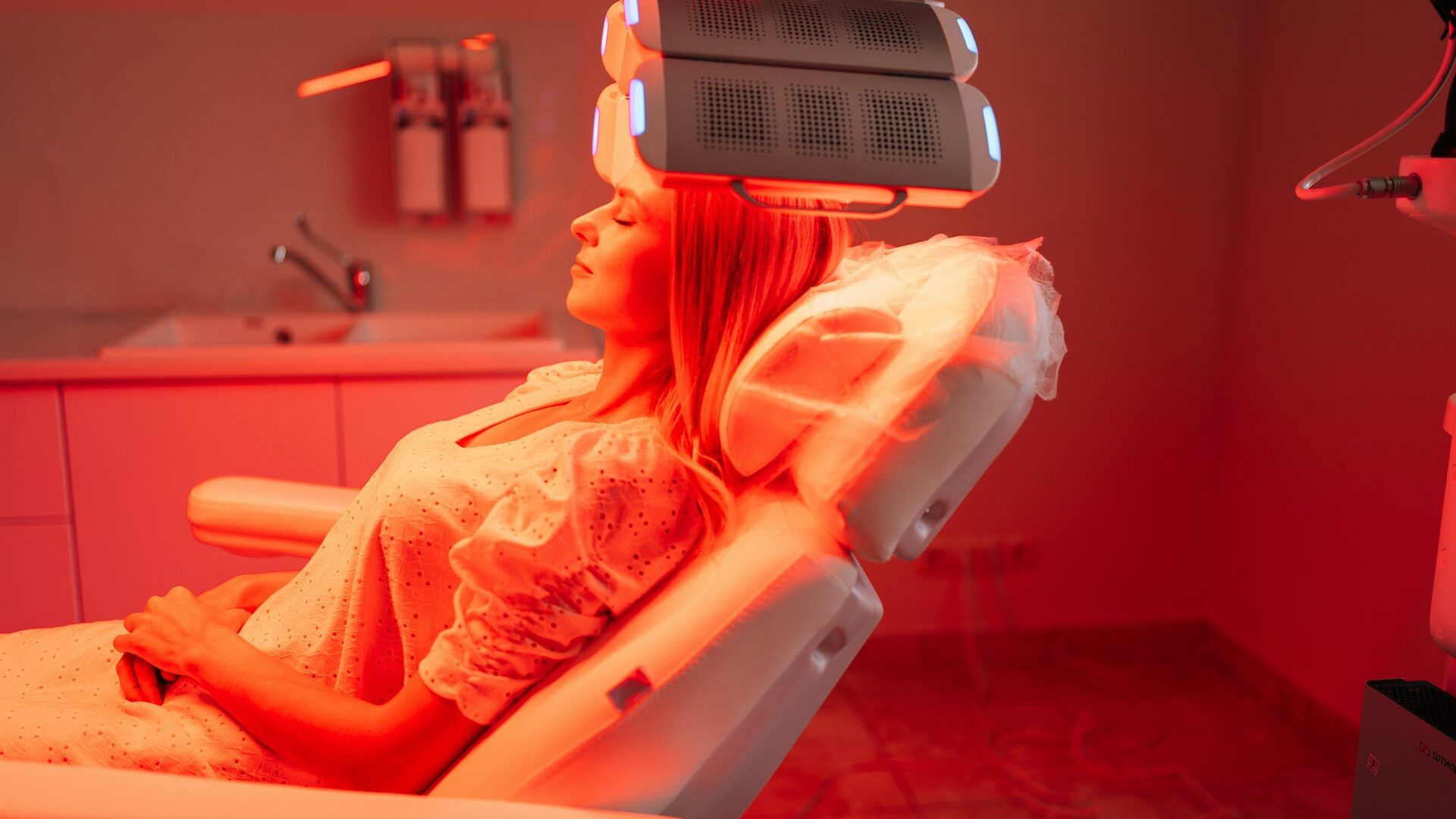
Before buying a red light therapy panel, check which wavelengths it uses (commonly red around 630 to 660 nm and near-infrared around 810 to 850 nm), how much power it delivers at a realistic distance, the panel size compared with the area you want to cover, and practical details like timers, flicker, EMF, mounting options and eye protection. Research on red light therapy is still developing, so focus on a well-built panel and realistic expectations.
Key Specs Explained
| Spec | What It Means | What to Look For |
|---|---|---|
| Wavelengths | Color of light, in nanometers | Red and near-infrared, clearly listed |
| Irradiance | Power reaching your skin | Measured at a stated distance, ideally third-party |
| Panel size | Area covered per session | Matches face, joints or full body goals |
| Flicker | Light pulsing from the driver | Low or flicker-free |
| Timer and controls | Session management | Built-in timer, separate wavelength controls |
Panel Size and Coverage
Small handheld or tabletop panels suit the face, hands or a single joint. Mid-size panels cover the upper body or legs. Full-body setups use tall panels or several linked panels. Bigger is not always better; a panel that fits your space and gets used regularly beats a large one that stays in the closet. Browse light therapy guides for categories.
Understanding Power Claims
Makers often list power at very close distances, which makes numbers look high. Look for irradiance stated at the distance you will actually use, often 6 inches or more. Third-party measurements are more trustworthy than marketing figures. More power is not always more benefit; sensible session times matter too. Read can you overdo red light therapy.
Safety and Comfort
- Wear the eye protection the maker recommends, especially with near-infrared.
- Follow suggested session times and distances.
- Check with a doctor if you take light-sensitizing medications, have a skin condition or are pregnant.
- Keep the panel ventilated so it does not overheat.
Setup at Home
- Choose a spot with an outlet and room to stand or sit at the recommended distance.
- Decide between a stand, door hanger or wall mount.
- Plan where you will keep the timer or phone app within reach.
- Keep cords tidy and away from water.
For a dedicated recovery space, see setting up a small recovery corner.
Setting Realistic Expectations
Studies on red light therapy for muscle recovery, skin and joint comfort show some promising results, but they vary in design, dose and quality. Many users describe feeling relaxed or less stiff after regular sessions. Treat a panel as one part of a recovery routine alongside sleep, movement and nutrition, not a cure. Our article on the science behind red light for muscle recovery covers the evidence.
Final Thoughts
Check wavelengths, real-distance power, panel size, flicker and safety features before buying. Pick a panel that fits your space and goals, follow the session guidance and keep expectations grounded.
FAQs
What wavelengths should a red light panel have?
Commonly red around 630 to 660 nm and near-infrared around 810 to 850 nm.
How far should I stand from a red light panel?
Follow the maker’s guidance, often 6 to 12 inches or more.
Do I need eye protection?
It is recommended, especially with near-infrared light.




Write Your Review
No reviews yet. Be the first to share your experience!