

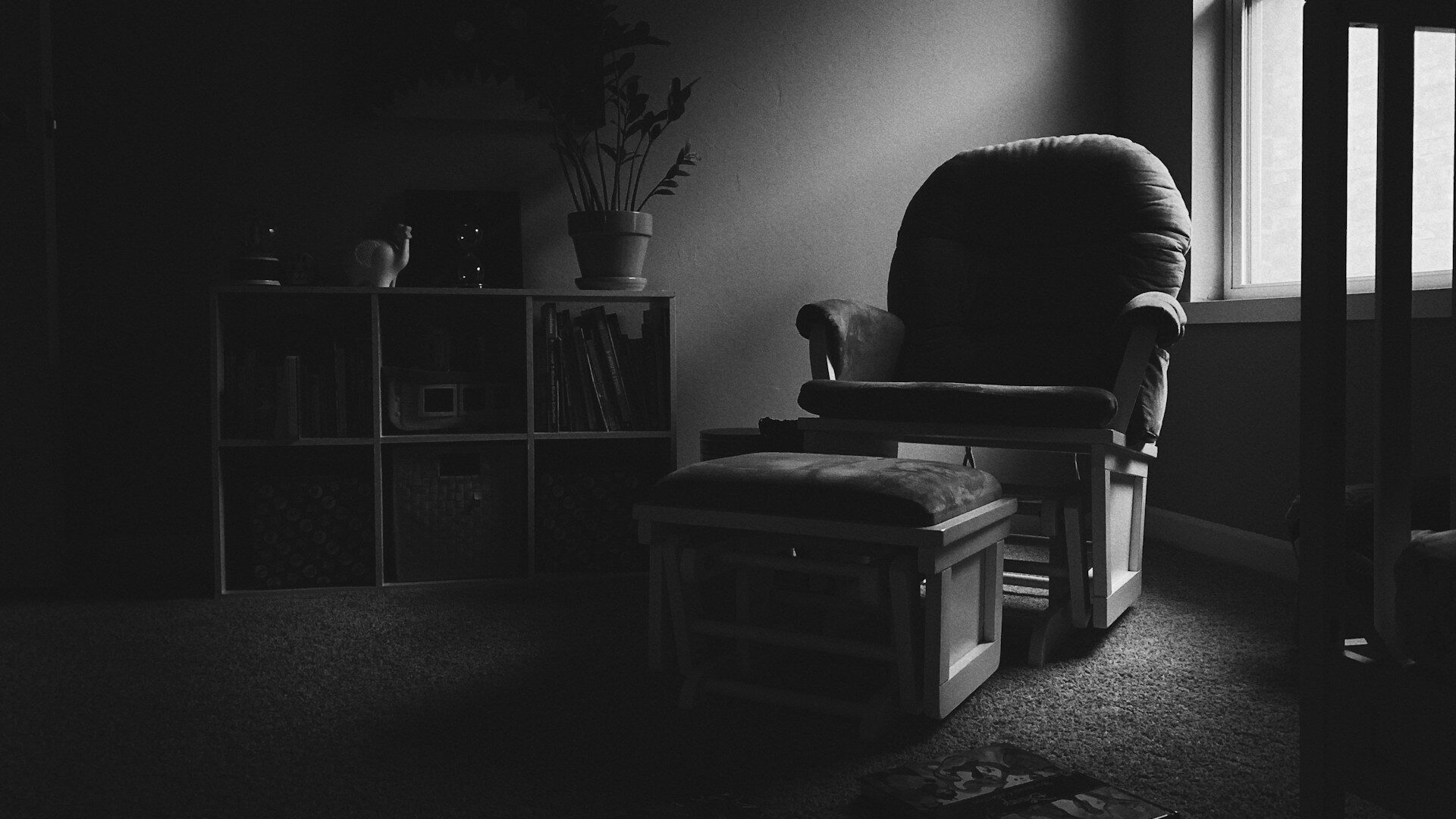
To soundproof a home recovery room, start by sealing gaps around doors and windows, since small openings let through a lot of sound. Then add soft, heavy materials such as rugs, thick curtains and upholstered furniture to absorb echo, and place rubber mats under noisy equipment like massage chairs or chillers. For stronger results, a solid-core door, extra drywall layers or acoustic panels can block much more noise during a remodel.
Know the Two Types of Noise
- Airborne sound: voices, TV and traffic that travel through air and gaps.
- Impact or vibration: footsteps, motors and machines that travel through floors and walls.
Most recovery rooms deal with both. Airborne sound needs sealing and mass. Vibration needs isolation, such as rubber or foam under equipment.
Renter-Friendly Steps
- Add a door sweep and weatherstripping to close the gap under and around the door.
- Hang heavy curtains over windows to soften outside noise.
- Lay a thick rug with a dense pad to reduce echo and footsteps.
- Use bookshelves on shared walls filled with books for extra mass.
- Add soft furniture like a padded bench or floor cushions.
- Run a white noise machine to mask remaining sounds.
Bigger Upgrades Compared
| Upgrade | What It Helps | Effort |
|---|---|---|
| Solid-core door | Blocks much more sound than a hollow door | Medium |
| Acoustic wall panels | Cuts echo inside the room | Low to medium |
| Second drywall layer with damping compound | Blocks sound through walls | High |
| Insulation in walls | Reduces sound and heat transfer | High, during remodel |
| Window inserts | Blocks traffic noise | Medium |
Quiet Your Equipment
Recovery gear can be the loudest thing in the room. Massage chairs, compression boot pumps, chillers and dehumidifiers all hum or vibrate. Place them on rubber anti-vibration mats, keep them away from shared walls and run noisy cycles when the room is empty. Choosing quieter models from the start helps. See our massage chairs guide and how to fit a massage chair into a small living room for layout tips.
Combine Quiet with Calm Design
Sound is only one part of a calm space. Soft lighting, simple decor and good airflow all help the room feel restful. Our guides to lighting ideas for a calm home recovery room and turning a spare bedroom into a recovery space pair well with soundproofing.
Do Not Block Airflow
When sealing a room, keep fresh air moving, especially if you use a sauna, steam or a cold plunge nearby. Moisture trapped in a sealed room can lead to mold. Use a quiet fan, an exhaust vent or a small air purifier with a low-noise setting.
Where Sound Leaks Into a Room
Before buying anything, find out where the noise is coming from. Sound behaves like water: it finds the smallest gap and flows through it. A quick walk around the room with a phone playing music in the next room shows you the weak spots.
| Weak Spot | How to Spot It | Simple Fix |
|---|---|---|
| Gap under the door | Light visible under the door at night | Door sweep or draft stopper |
| Door edges | Sound clearly louder near the frame | Adhesive weatherstripping |
| Windows | Traffic noise strongest near the glass | Heavy curtains, window inserts |
| Outlets on shared walls | Voices heard through the outlet | Foam outlet gaskets behind the cover plates |
| Air vents | Sound traveling through ductwork | Lined vent covers, sound baffles from an HVAC pro |
| Floor | Footsteps and thumps from below or above | Thick rug with a dense pad |
Fix the biggest leaks first. Sealing a gap under the door often makes a bigger difference than an expensive wall panel.
A Budget Plan in Three Steps
Soundproofing can cost a few dollars or several thousand. Working in steps lets you stop as soon as the room is quiet enough.
- Under $100: door sweep, weatherstripping, outlet gaskets and a white noise machine.
- $100 to $500: thick rug and pad, heavy blackout curtains, a few acoustic panels and anti-vibration mats for equipment.
- $500 and up: solid-core door, window inserts and wall upgrades during a remodel.
Most people find that steps one and two are enough for a calm recovery space. Step three makes sense mainly for rooms next to busy streets, home theaters or shared walls with loud neighbors.
Where to Place Acoustic Panels
Acoustic panels soak up echo so the room sounds softer and calmer. They work best in the spots where sound first bounces off the walls.
- Side walls: at ear height across from where you sit or lie down.
- Behind the seating area: to reduce echo from the back wall.
- Corners: thicker panels in corners help with low, humming sounds from equipment.
- Ceiling: a panel above a massage table or reading chair reduces sound bouncing between floor and ceiling.
Panels covered in fabric can double as decor. Choose calm colors that match the room, and space them evenly instead of grouping them all on one wall.
Soundproofing Around Sauna and Cold Plunge Equipment
Recovery rooms often sit next to a sauna, cold plunge or steam shower, and each brings its own noise. Cold plunge chillers run compressors and fans that hum for hours. Sauna heaters click on and off, and steam generators gurgle as they fill. Keep chillers outside the quiet room when possible, or place them in a ventilated cabinet lined with sound-absorbing material, leaving enough airflow for the unit to stay cool. Use flexible connections for water lines to reduce vibration through pipes. Always follow the maker’s clearance rules, since covering equipment too tightly can cause overheating.
Making the Room Feel Quiet, Not Just Sound Quiet
A room can be quiet and still feel busy. Visual clutter, bright overhead lights and a ticking clock all add to mental noise. Keep surfaces clear, store equipment in closed cabinets, use warm dimmable lights and choose soft textures for chairs and blankets. Many people also find that a consistent background sound, such as a fan or gentle nature audio, feels calmer than complete silence. Pair these touches with the soundproofing steps above, and the room will feel like a true retreat.
Checking Your Progress
After each change, sit in the room at the time of day when noise usually bothers you, such as evenings when the TV is on next door or mornings when traffic is heavy. Notice whether the sound is softer, less frequent or easier to ignore. A free sound meter app on your phone can give rough before and after numbers, which helps you decide whether the next upgrade is worth the money. Many people find that once the door gap is sealed and the floor and windows are softened, the room feels calm enough for stretching, reading or a quiet massage session without any major construction.
Final Thoughts
Start with the cheap wins: seal gaps, add soft surfaces and isolate noisy equipment. Move on to doors, panels and wall upgrades if you need more. A quieter room makes every stretch, massage and rest session feel more restful.
FAQs
What is the cheapest way to soundproof a room?
Seal door and window gaps. Then add rugs and heavy curtains.
Do acoustic foam panels block noise?
They mainly reduce echo inside the room. Blocking noise needs mass and sealing.
How do I quiet a massage chair?
Place it on a rubber mat away from shared walls. This reduces vibration.
Do thick curtains really reduce noise?
They help, mostly by softening echo and some outside noise. Heavy, lined curtains that cover the whole window work best.
Can I soundproof a room without damaging walls?
Yes, with renter-friendly steps. Door sweeps, rugs, curtains, freestanding panels and bookshelves add no permanent damage.
Is white noise good for a recovery room?
For many people, yes. A steady, soft sound masks sudden noises like doors and voices from other rooms.








Write Your Review
No reviews yet. Be the first to share your experience!