

Almost everyone has felt a muscle knot: a tight, tender spot that aches when you press it, often in the upper back, neck or shoulders. Knots are common and usually harmless, but they can be stubborn. Knowing what causes them makes it easier to prevent them and help them release.
What a Muscle Knot Is
A muscle knot, often called a myofascial trigger point, is a small area of muscle that stays tight and sensitive. Pressing it may cause local pain or a dull ache that spreads to nearby areas, like a shoulder knot that sends tension toward the neck or head. Researchers still debate exactly what happens in the tissue, but the tight, tender feeling is real and very common.
Common Causes
- Posture held for long periods, like sitting at a desk or looking down at a phone.
- Repetitive movements at work or in sports.
- Sudden jumps in training load or new exercises.
- Stress, which often shows up as tight shoulders and jaw.
- Poor sleep and dehydration, which make muscles less resilient.
Where Knots Show Up Most
| Area | Common Trigger |
|---|---|
| Upper back and shoulders | Desk work, stress, carrying bags |
| Neck | Looking down at screens |
| Lower back | Long sitting, weak core, lifting |
| Glutes and hips | Running, sitting, uneven posture |
| Calves | Running, standing all day |
How Knots Release
Most knots ease with a mix of pressure, warmth and movement.
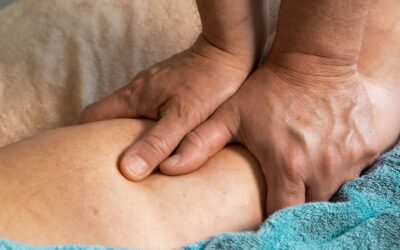
- Gentle pressure: a massage gun, foam roller or massage ball held on the area for 30 to 90 seconds at a tolerable pressure.
- Heat: a warm shower, heating pad or sauna session can relax tight tissue.
- Movement: light stretching and mobility work after pressure helps the area stay loose.
- Breathing: slow exhales help your body relax, which can reduce guarding around the knot.
Our guide to how often to use a massage gun explains safe timing, and our massage gun vs massage chair comparison helps if you want a tool at home.
How to Prevent Them
- Change position every 30 to 60 minutes when sitting.
- Set up your screen at eye level.
- Build training volume gradually.
- Sleep well and stay hydrated.
- Add a few minutes of daily mobility work for the neck, shoulders and hips.
A simple daily routine helps many people: two minutes of neck and shoulder rolls in the morning, a short walk every hour or so during the workday and a few minutes of pressure work with a ball or massage gun in the evening. Small, regular doses usually work better than one long session on the weekend.
Final Thoughts
Muscle knots usually come from long-held postures, repetitive strain, stress or sudden training changes. Steady pressure, warmth and movement help them release, and small daily habits keep them from coming back. If a knot comes with numbness, weakness, swelling or pain that does not improve in a couple of weeks, see a healthcare professional.
FAQs
Can a massage gun get rid of knots?
It can help many knots relax. Use light to moderate pressure for 30 to 90 seconds, then move or stretch the area.
Why do muscle knots keep coming back?
The cause is usually still there. Posture, stress or training habits often need to change for knots to stay away.
Is heat or ice better for a muscle knot?
Heat usually feels better for knots. Warmth helps tight muscles relax, while ice suits fresh injuries and swelling.







Write Your Review
No reviews yet. Be the first to share your experience!