

Most hydration advice is a guess, because people sweat at very different rates. One person might lose a little fluid in an hour of easy exercise, while another loses several times as much in the same session. The good news is that you can find your own number at home with a bathroom scale and a few minutes of math.
This guide explains the weigh-in method, how to run it after a workout or sauna session, and what to do with the result.
What Sweat Rate Means
Sweat rate is how much fluid your body loses through sweat in a set amount of time, usually measured per hour. It changes with temperature, humidity, effort level, clothing and how used to the heat you are. That is why a single number from one session is a starting point, not a fixed fact about you.
Knowing your rough sweat rate helps you decide how much to drink before, during and after hot sessions, so you are not guessing or drinking far more than you need.
The Simple Weigh-In Method
The method compares your body weight before and after a session, then adds back anything you drank.
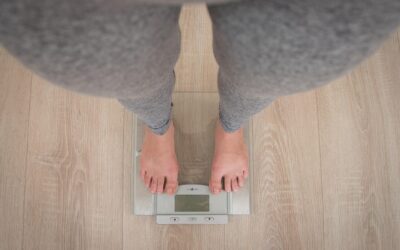
- Use the bathroom, then weigh yourself with little or no clothing.
- Do your workout or sauna session as normal. Track how much you drink.
- Towel off fully, then weigh yourself again in the same clothing as before.
- Subtract your post-session weight from your pre-session weight.
- Add the weight of any fluid you drank. One pound is about 16 ounces of fluid.
- Divide the total by the session length in hours.
Our sweat loss calculator does this math for you once you enter your numbers.
A Worked Example
Here is how the numbers might look for a 45-minute indoor cycling session in a warm room.
| Step | Value |
|---|---|
| Weight before | 180.0 lb |
| Weight after | 178.6 lb |
| Weight lost | 1.4 lb (about 22 oz) |
| Fluid drunk during | 12 oz |
| Total sweat loss | About 34 oz |
| Session length | 0.75 hours |
| Sweat rate | About 45 oz per hour |
That rider would know that an hour of similar work in similar conditions costs roughly a quart and a half of fluid.
Tips for a More Accurate Number
- Use the same scale for both weigh-ins, on a hard, flat floor.
- Dry off well before the second weigh-in. Sweat soaked into hair and clothing adds weight.
- Skip the bathroom between weigh-ins if you can, or note it, since it throws off the result.
- Repeat in different conditions. A cool morning run and a hot sauna session will give very different numbers.
How to Use Your Result
A common goal is to keep fluid loss during a session under about 2 percent of body weight. For a 180-pound person, that is about 3.6 pounds. If your sessions regularly go past that, sip fluids during them and plan to rehydrate afterward.
After a session, many people aim to drink about 1.25 to 1.5 times the fluid they lost over the next few hours, since some of what you drink is lost as urine. On longer or very sweaty days, include some sodium from food or an electrolyte drink. Our water intake calculator can help you plan your daily baseline.
Final Thoughts
Measuring your sweat rate takes one extra minute on the scale and turns hydration from guesswork into a plan. Run the method a few times in the conditions you train or relax in most, keep a short log, and adjust as the seasons change. If you have heart or kidney conditions, check fluid targets with your doctor first.
FAQs
Is weight lost in a sauna fat or water?
It is almost all water. The weight comes back once you drink and eat normally, which is why it works as a sweat measure and not as a fat loss tool.
How often should I measure my sweat rate?
A few times per season is enough. Measure once in cool weather and again in hot weather, plus any new activity like a sauna routine.
Do I need special equipment?
No, a reliable bathroom scale is enough. A digital scale that reads to a tenth of a pound gives the cleanest result.


Write Your Review
No reviews yet. Be the first to share your experience!